
Last updated November 16, 2026
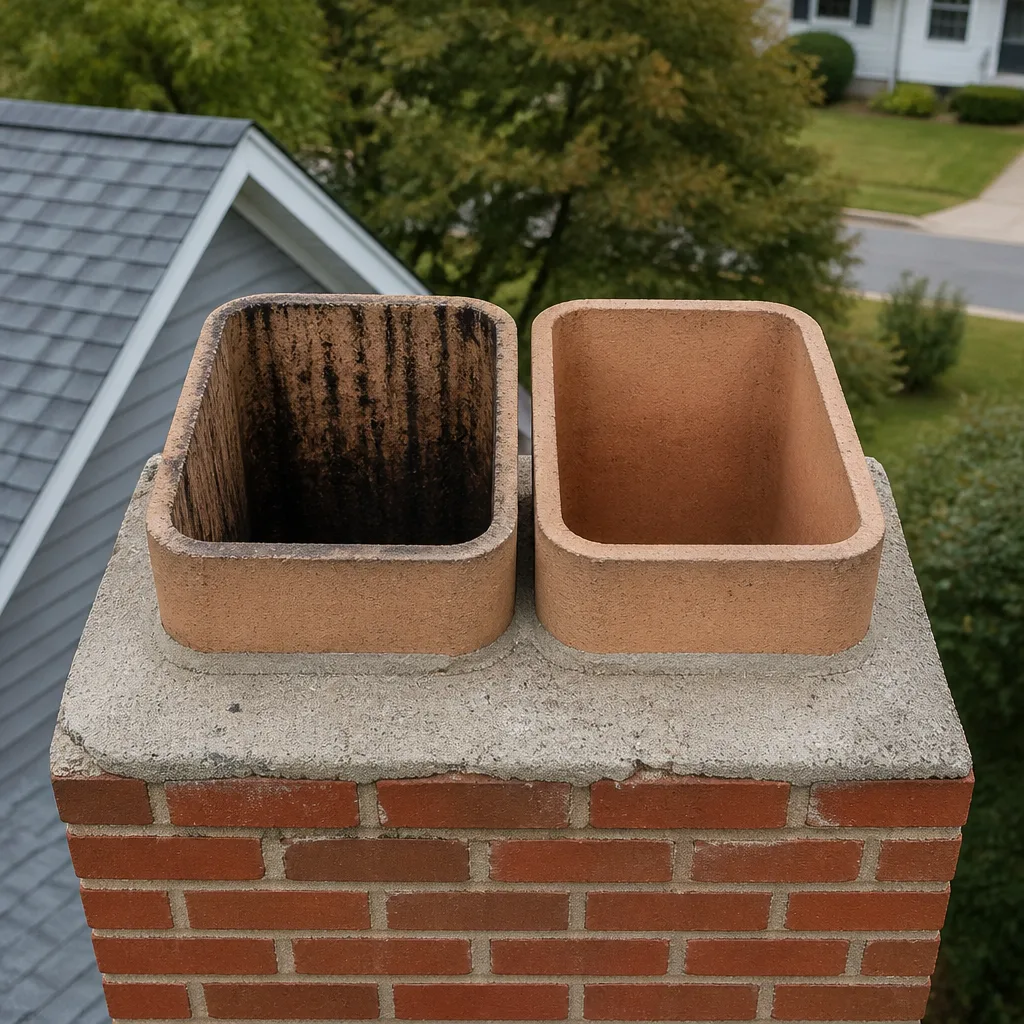 Sweep & inspection
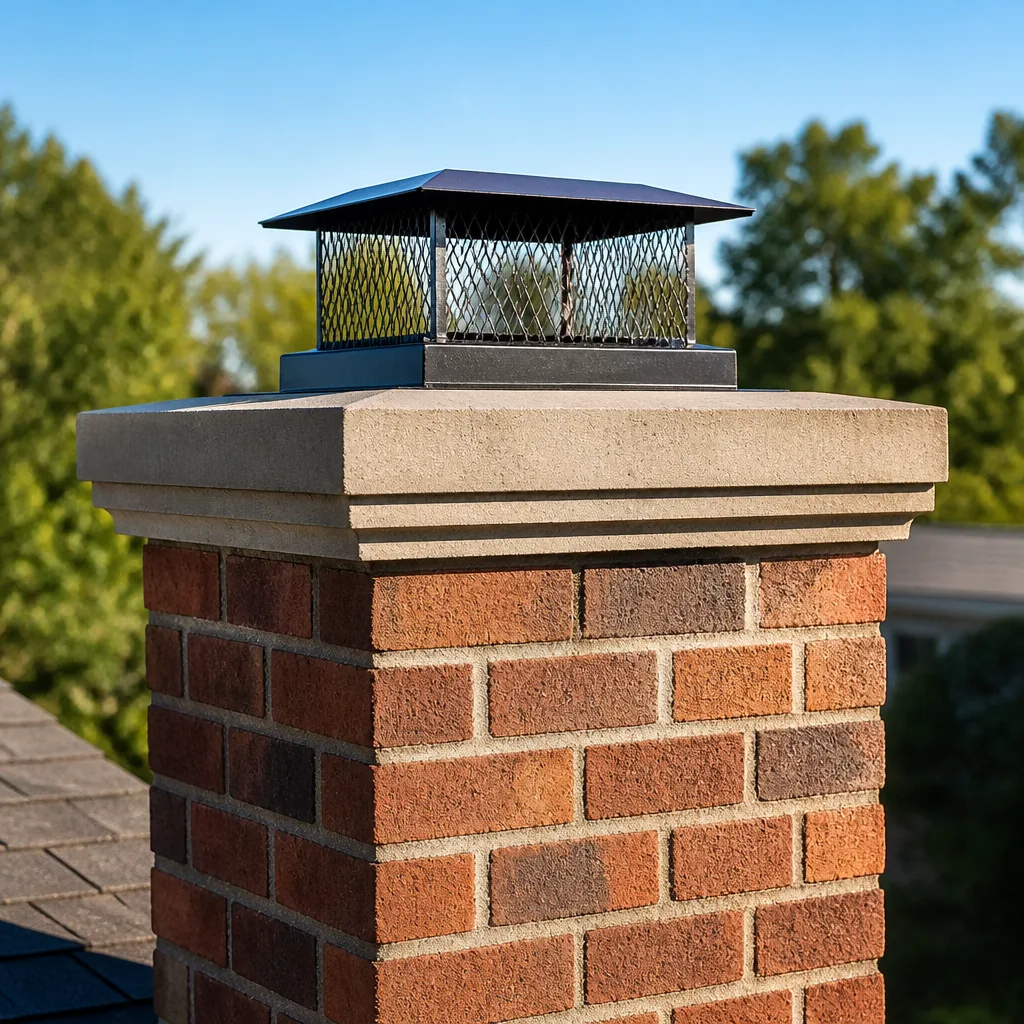 Caps & crowns
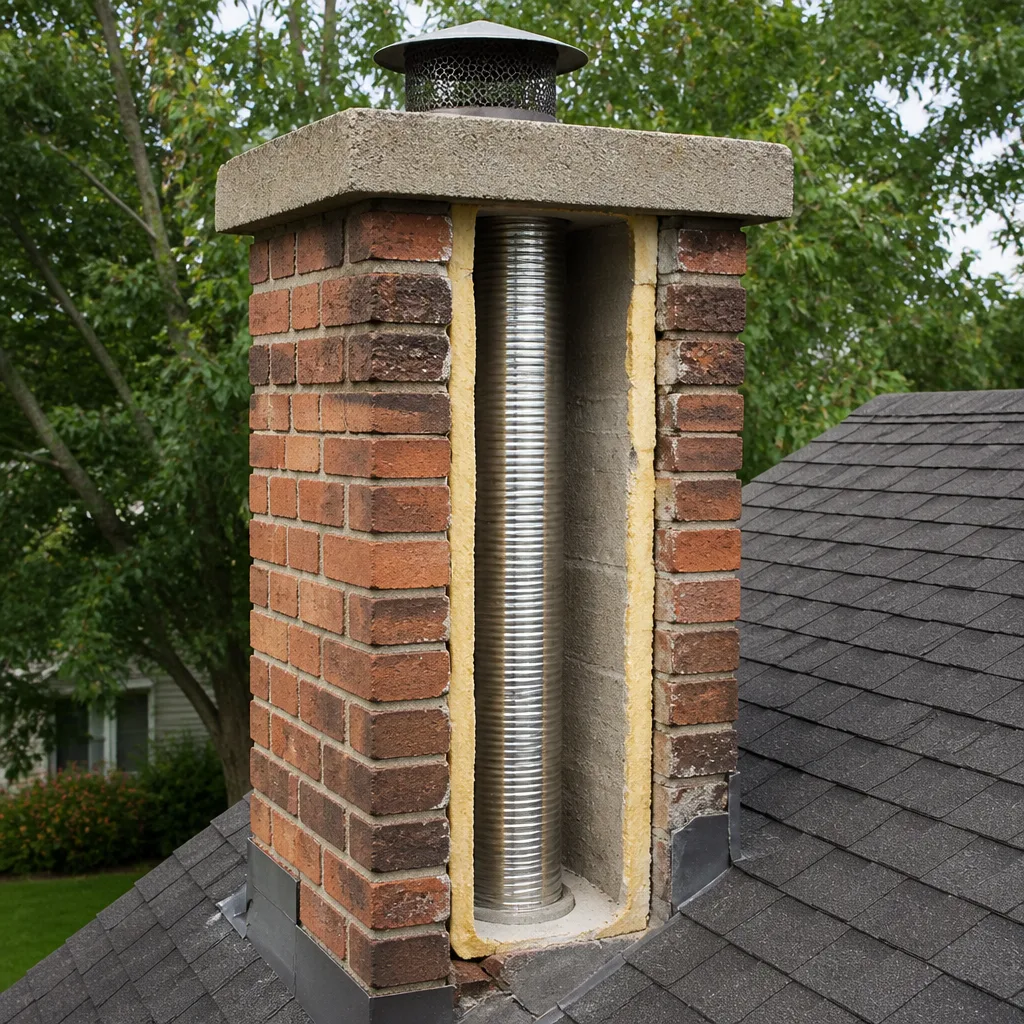 Flue relining
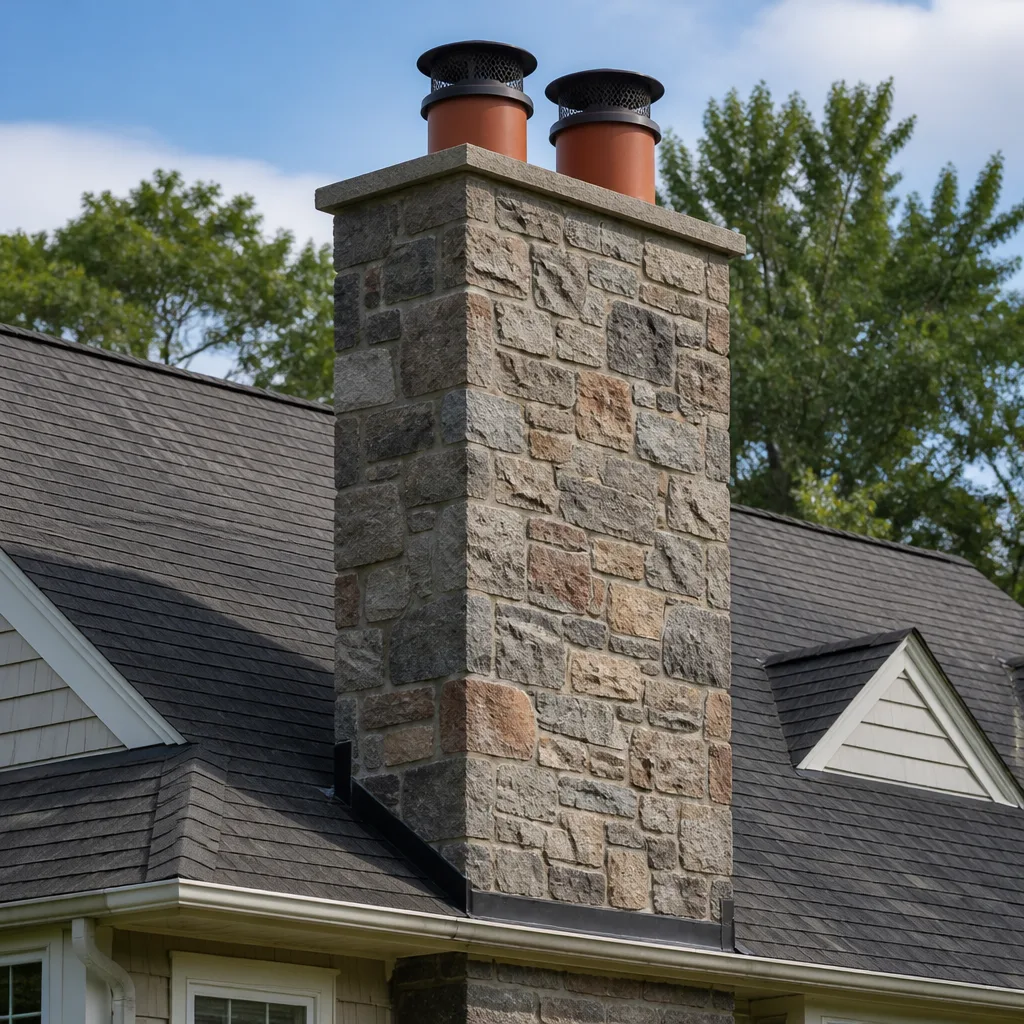 Masonry repair
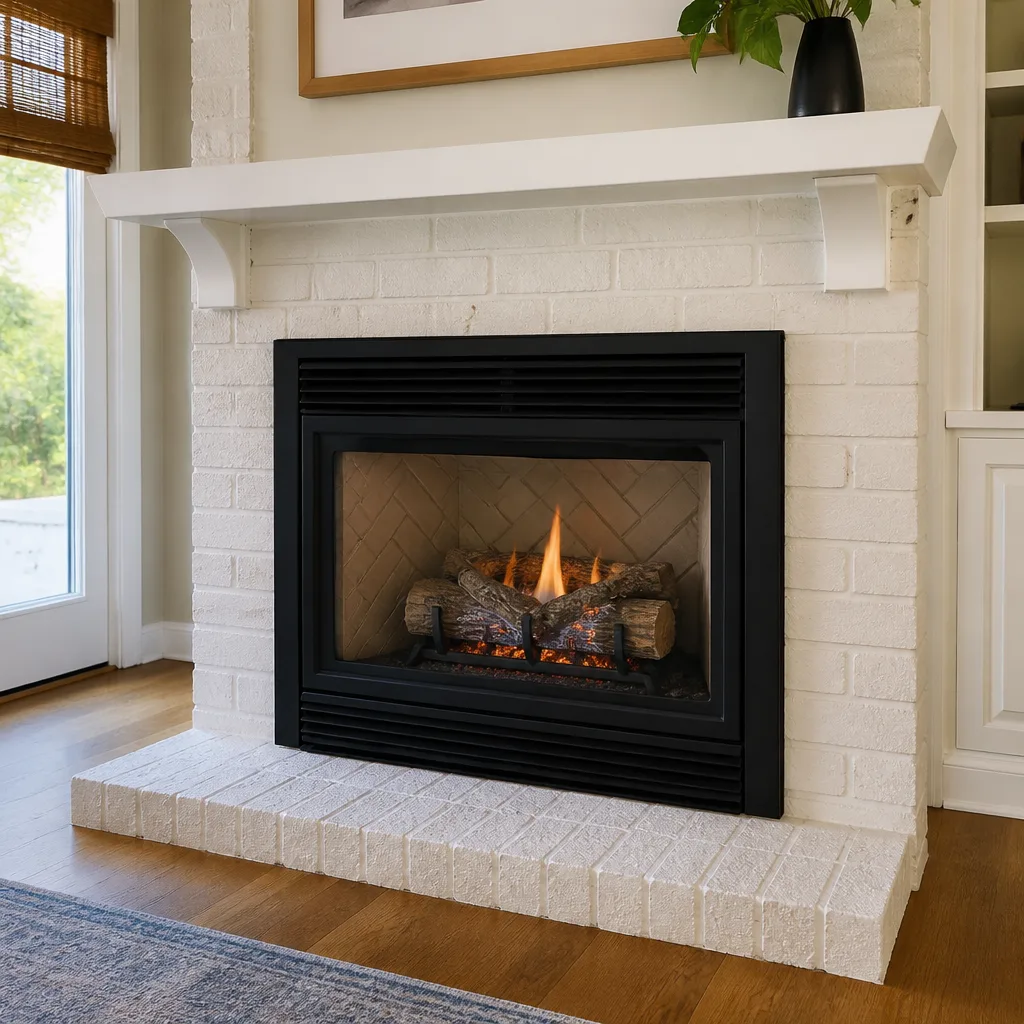 Gas fireplace service
Level 1 sweep and inspection to the NFPA 211 annual standard - flue, crown, cap, and flashing checked and photographed
Chimney sweep logs do not sweep chimneys. They loosen some creosote - which then falls where a brush and vacuum still have to collect it.
How to Hire a Chimney Cleaning Contractor in Springfield: A Step-by-Step Guide
Massachusetts does not require a state license specifically for chimney sweeping, which catches most homeowners off guard. That means the credential badge on a contractor’s website may tell you far less than the questions you ask before anyone touches your flue. In Springfield, where a large share of the housing stock is older masonry with flues that have seen decades of wood smoke, the difference between a dedicated chimney specialist and a generalist with a brush and a ladder is the difference between a real inspection and a sales pitch. This guide walks you through exactly how to tell them apart: what certifications mean, which questions to ask before you book, how to read a written estimate, and the red flags that show up again and again in this market.
Quick Answer
To hire a chimney cleaning contractor in Springfield, verify that the company is CSIA-certified (and confirm the certificate is current), ask for written proof of liability insurance and workers’ compensation coverage, and insist on a written scope of work and itemized estimate before any job starts. Favor dedicated chimney companies over generalists, ask how they handle camera inspection findings, and get camera evidence for any repair they recommend. The right contractor will welcome every one of those questions.
Styles & brands we work with
- Sweep & inspection
- Caps & crowns
- Flue relining
- Masonry repair
- Gas fireplace service
Table of Contents
- Why There’s No License Requirement, and What to Check Instead
- What CSIA Certification Actually Means (and What It Doesn’t)
- The Five Questions to Ask Before You Book
- Why Insurance Documentation Matters More Than a Verbal Promise
- Red Flags Specific to Low-Bid Chimney Operations in Springfield
- How to Evaluate a Written Estimate and Scope of Work
- Sweeping vs. Inspection: Know Which One You’re Buying
- Common Mistakes to Avoid
- When to Call a Professional
- Frequently Asked Questions
Why There’s No License Requirement, and What to Check Instead
Massachusetts does not issue a specific license for chimney sweeping, and that’s the single most important thing to understand about hiring in this trade. Unlike electrical or plumbing work, where a state board controls who can legally do the job, sweeping and basic chimney service have almost no barrier to entry. Anyone can buy a brush, print a business card, and call themselves a chimney sweep. Some communities require a home improvement contractor registration for certain types of work, but the rules vary and enforcement is inconsistent, so a license check alone won’t protect you.
That doesn’t mean you’re defenseless. It means the burden shifts to the questions you ask. Because competency isn’t enforced by a state board, the industry’s own certification bodies and the contractor’s insurance are your real filters.
Here’s what to check instead of a sweep-specific license:
- CSIA certification (Chimney Safety Institute of America) – the closest thing the trade has to a recognized credential, covered in the next section.
- Liability insurance – a certificate of insurance showing current general liability coverage, with a number you can call to verify.
- Workers’ compensation coverage – if a technician is injured on your roof, this is what protects you from a claim.
- Home improvement contractor registration – where your municipality requires it for the type of work being done, ask for the registration number.
- A real business address and references – not just a phone number and a magnet on a truck.
In a city like Springfield, where older triple-deckers and single-family homes alike have chimneys that may not have been serviced in years, unqualified operators find plenty of work. The good news: a genuine specialist will hand over every one of these items without hesitation. If asking makes a contractor uncomfortable, that’s your answer. For a fuller picture of what competent service looks like, see how Lockhart Chimney Sweep approaches the trade.
What CSIA Certification Actually Means (and What It Doesn’t)
CSIA certification is the credential most worth checking, but it’s widely misunderstood in both directions. The Chimney Safety Institute of America certifies individual technicians, not companies, and the certification requires passing an exam and staying current through ongoing education. A certified sweep has demonstrated knowledge of chimney construction, venting, codes, and inspection standards. That’s meaningful, and it’s a genuine signal of commitment to the trade.
Here’s the catch: the certification belongs to the person, not the business name on the truck. A company can advertise “CSIA-certified” and still send an uncertified technician to your door. So when you call, ask a specific question: will the technician who arrives at my home actually be CSIA-certified, and what’s their name and certification number? A serious company can answer that plainly.
How to verify a certification isn’t expired or fabricated
- Ask for the technician’s full name and CSIA certification number.
- Look the number up through the CSIA’s own directory rather than trusting a logo on a website.
- Confirm the certification is currently active, not lapsed.
- Ask whether the company has more than one certified technician, since you want coverage if your assigned tech is unavailable.
What CSIA certification does not cover
- It does not replace liability and workers’ comp insurance. Certification and insurance are separate and you need both.
- It does not guarantee a specific level of repair expertise, since repair work draws on additional specialized product knowledge.
- It is not a state license, and it doesn’t make the contractor legally responsible in the way a licensed trade would.
Treat CSIA certification as the floor, not the ceiling. It tells you the technician took the trade seriously enough to get credentialed. The next section covers how to tell whether the company behind that technician is a dedicated specialist or a generalist.
The Five Questions to Ask Before You Book
These five questions do the heavy lifting when you’re choosing a chimney contractor in Springfield. They’re designed to separate dedicated chimney companies from generalists who added “chimney sweep” to a long service menu and treat it as a side job. Ask them on the phone before anyone books a visit.
- “What percentage of your work is chimney-specific?” A dedicated company works exclusively on chimneys. A generalist might do roofing, gutters, and drywall, with chimney sweeping as a small slice. Chimney-focused companies specify professional products and understand venting, draft, and flue geometry in a way a jack-of-all-trades does not.
- “Do you include a camera inspection and a photo report?” A sweep that only brushes the flue tells you nothing about what’s happening above or inside the tile. A real inspection uses cameras and gives you images you can look at yourself.
- “Which product lines do you install for liners and caps?” A serious chimney company specifies brands like DuraFlex, Olympia Chimney, Gelco, or Copperfield, not whatever hardware-store stock happens to be on hand. The answer tells you whether they actually install to spec.
- “Will you recommend repairs on the spot, and how will you show me why?” Any repair recommendation should come with camera evidence you can see. If the tech can only tell you it “looks bad” without showing you, that’s a warning sign.
- “What exactly does your written scope of work include?” You want the scope spelled out before work starts: what will be swept, what will be inspected, what the report covers, and what happens if something needs repair.
Just as important as the questions is how they’re answered. A dedicated specialist answers all five without flinching, because every service call is a chimney call. When the fit is right, you’ll recognize it quickly. This Springfield-area sweep service is a good reference point for what a straightforward, chimney-only answer sounds like.
Why Insurance Documentation Matters More Than a Verbal Promise
Anyone can tell you they’re “fully insured.” In a trade with no license requirement, that verbal assurance is worth very little. What matters is the paperwork, and specifically what the coverage is designed to protect.
Here’s why it matters more in chimney work than in many other trades: the technician is going on your roof, working around a flue, and potentially handling tools and equipment around your home. If a technician is injured or a ladder damages your gutters or roof flashing, the insurance question becomes very real very fast. Without proper coverage, you can be drawn into a claim.
Ask for two things:
- General liability insurance – ask for a certificate of insurance and confirm the policy is current. A serious company can provide this on request and won’t get defensive.
- Workers’ compensation insurance – this one is often overlooked. If a worker is hurt on your property and the company doesn’t carry workers’ comp, you may face exposure.
The best way to confirm is to call the insurance carrier listed on the certificate rather than taking the document at face value. It takes a minute. A legitimate contractor will respect the diligence. This is exactly the kind of question a real chimney professional expects from a homeowner who’s doing their homework, and it’s the same standard we hold ourselves to when working with Springfield homeowners.
Red Flags Specific to Low-Bid Chimney Operations in Springfield
Low-bid chimney work is common in Springfield, and it follows a pattern. The sweep itself may be cheap or even presented as a bargain, but the money is made on the back end, through repair recommendations that follow the inspection. Knowing the pattern is how you avoid it.
Upsell pressure disguised as inspection findings
The most common red flag is the same-day hard sell. A technician finishes the sweep, pulls out a camera, and tells you the liner is dangerously deteriorated and needs immediate replacement, often with a price quoted on the spot and a sense of urgency to sign today. Sometimes that repair is real. Often it’s exaggerated, and you have no way to verify it because you’re seeing a tiny screen and taking the tech’s word for it.
What to do instead: ask for the images to be sent to you in a report, and ask whether the work can safely wait while you get a second opinion. A confident, honest contractor will welcome that. A pressure operation will resist it. The recommendation should always come with evidence you can look at and keep.
Other low-bid red flags
- A price drastically below everyone else’s. A sweep that costs far less than the local norm is usually priced to get in the door, not to do the work properly.
- No camera inspection, or refusal to share images. If there’s no photo report, there’s no evidence, and you’re buying blind.
- Repair pitches with no written scope. Any recommendation for liner work or resurfacing should be documented, itemized, and explained.
- An appliance or service menu that includes unrelated trades. A generalist who also does roofing, gutters, and painting is treating your chimney as a side job.
- No verifiable certification or insurance. Verbal assurances with nothing behind them.
- Claims of “inspection findings” delivered before the flue was actually cleaned and viewed. You can’t assess a flue you haven’t properly swept and seen.
These red flags show up because the barrier to entry is so low. The way to counter them is to slow the process down at the right moments and demand documentation. That’s what the next section covers.
How to Evaluate a Written Estimate and Scope of Work
A written estimate is where you find out whether you’re dealing with a professional. A vague estimate with one lump-sum line is a red flag; an itemized estimate that separates the sweep, the inspection, and any recommended repair is what you want to see before you commit.
What should be itemized
- The sweep itself – what’s included (which flue, which appliance) and any limitations.
- The inspection – camera inspection and photo report, with the level of inspection named.
- Any recommended repair – broken out separately, with the product line and method specified (for example, liner relining versus HeatShield resurfacing versus a simple cap).
- Materials – the specific product brands being installed, not “chimney liner, installed.”
- What’s excluded – anything the estimate does not cover should be named so there are no surprises.
What vague line items signal
Watch for estimates that say “chimney work – $X” or “repair as needed” without detail. Those signal a contractor who either doesn’t know what they’ll find or doesn’t want you to know. A proper scope of work should tell you what will be swept, what will be inspected, what evidence you’ll receive, and precisely what repair is proposed and why. Vague estimates leave you exposed to whatever gets added later.
Get it in writing before any work starts
This is the rule that resolves the reader’s real hesitation: the fear of being told you need thousands of dollars of work you can’t verify. The written scope and estimate are how you counter that fear. Nothing should be recommended without camera evidence you can see and keep, and a good contractor will say plainly when work can safely wait.
If you’re comparing methods, understand the trade-off between a full relining and resurfacing. HeatShield resurfacing can restore deteriorated flue tile without a full liner replacement when the damage is caught early, while DuraFlex flexible liner systems are suited to complex or offset flue configurations. Both are professional-grade options, and the right one depends on what the camera shows. That’s the conversation a dedicated chimney repair specialist should be able to have with you, in plain terms, before you sign anything.
Sweeping vs. Inspection: Know Which One You’re Buying
One of the most common points of confusion is the difference between a sweeping and an inspection, and it matters when you’re hiring because they’re not the same service and they’re not priced the same way. A sweep removes creosote, soot, and blockages from the flue. An inspection assesses the condition of the entire chimney system, from the firebox to the crown, and typically involves a camera to see inside the flue. You need both, and you should know which one is being performed on your visit.
What a proper sweep includes
- Removing creosote and soot from the flue and firebox.
- Checking for blockages from nests, debris, or deteriorated tile.
- Containing the mess so the home stays clean.
What an inspection should include
- A camera inspection of the flue interior.
- A review of the firebox, damper, smoke chamber, liner, and cap.
- An external check of the crown, flashing, and masonry where accessible.
- A photo report you can keep and review on your own time.
Here’s the safety caveat that matters most: a sweep alone isn’t enough to catch a failed liner or a cracked flue tile. Those are the conditions that raise the risk of a chimney fire or carbon monoxide exposure. If a contractor you’re considering treats sweeping as the whole job and skips the inspection, that’s a gap. A dedicated chimney company offers all three core services, sweeping, inspection, and repair, under one roof, so you’re not coordinating multiple contractors for a single chimney problem. When you need the inspection piece specifically, look for a full chimney sweep provider that includes a camera report as part of the visit.
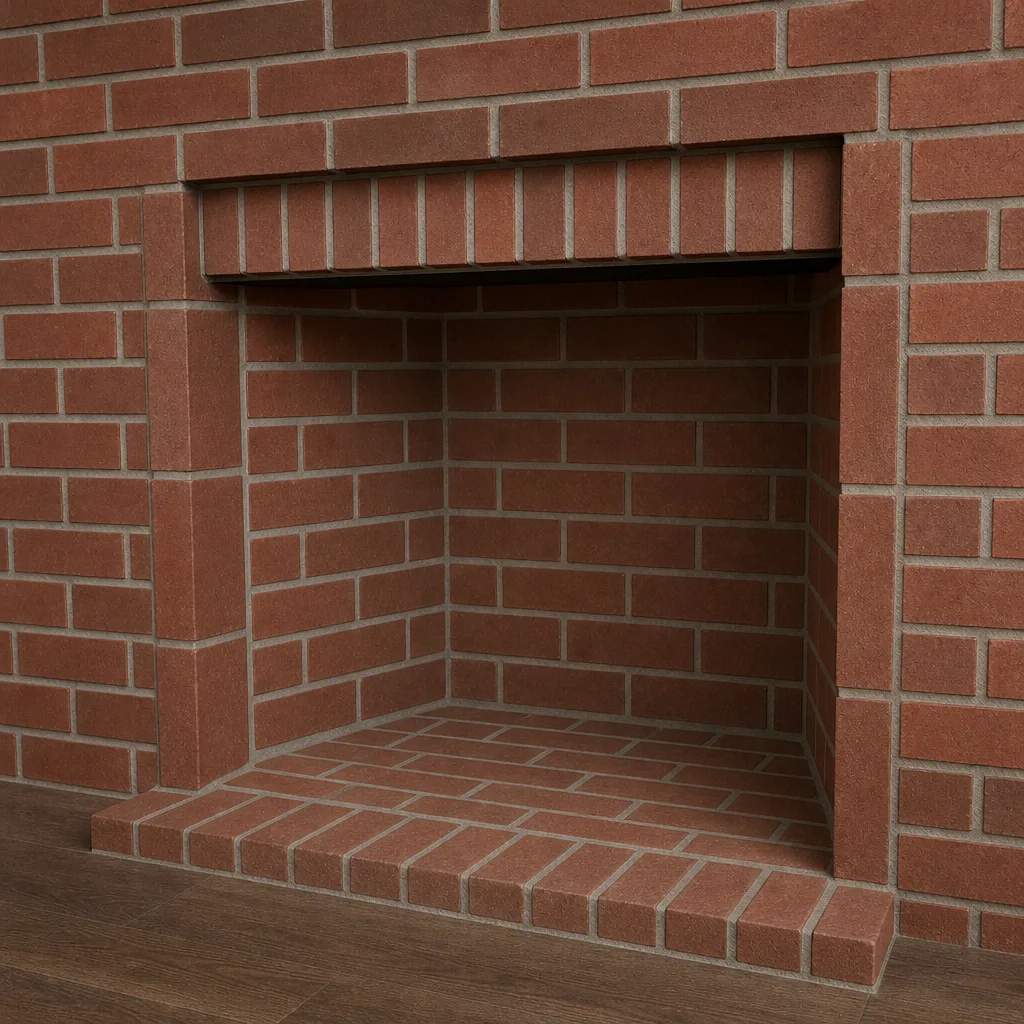
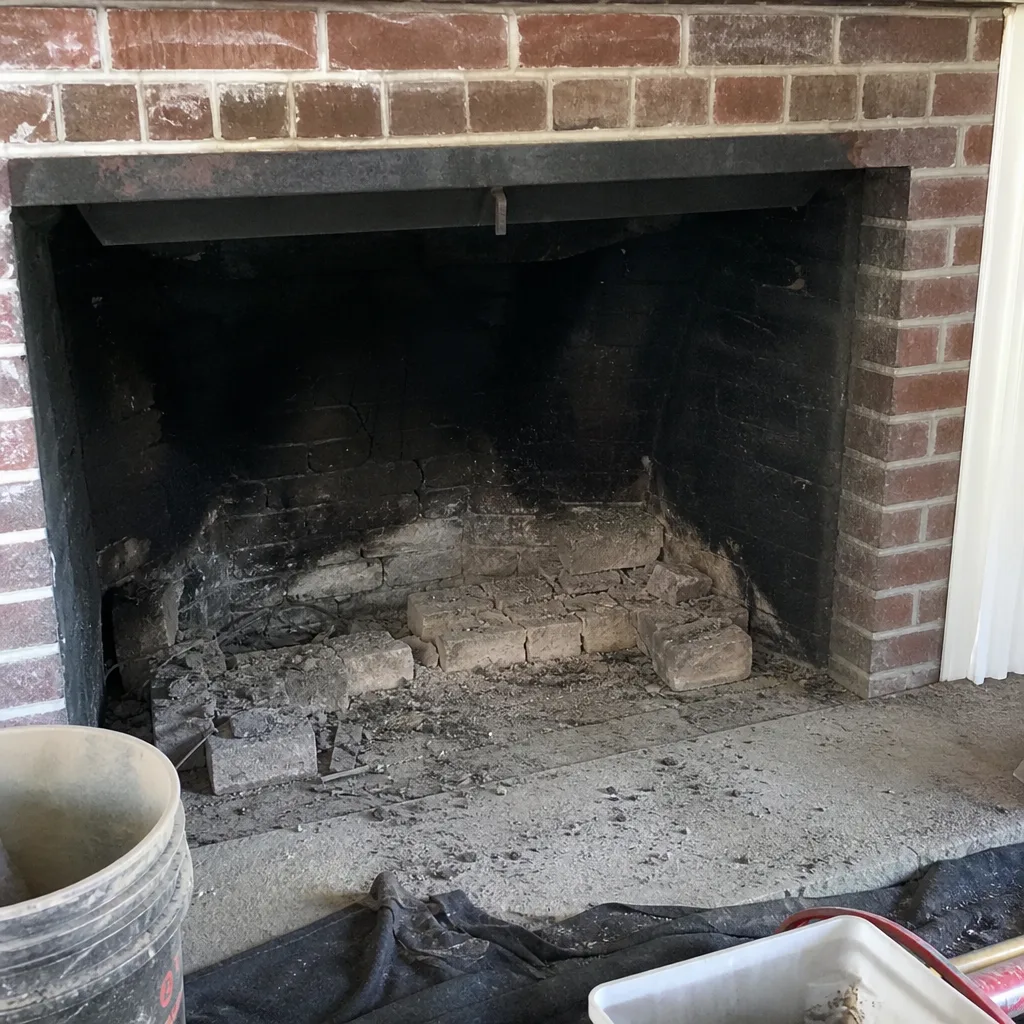
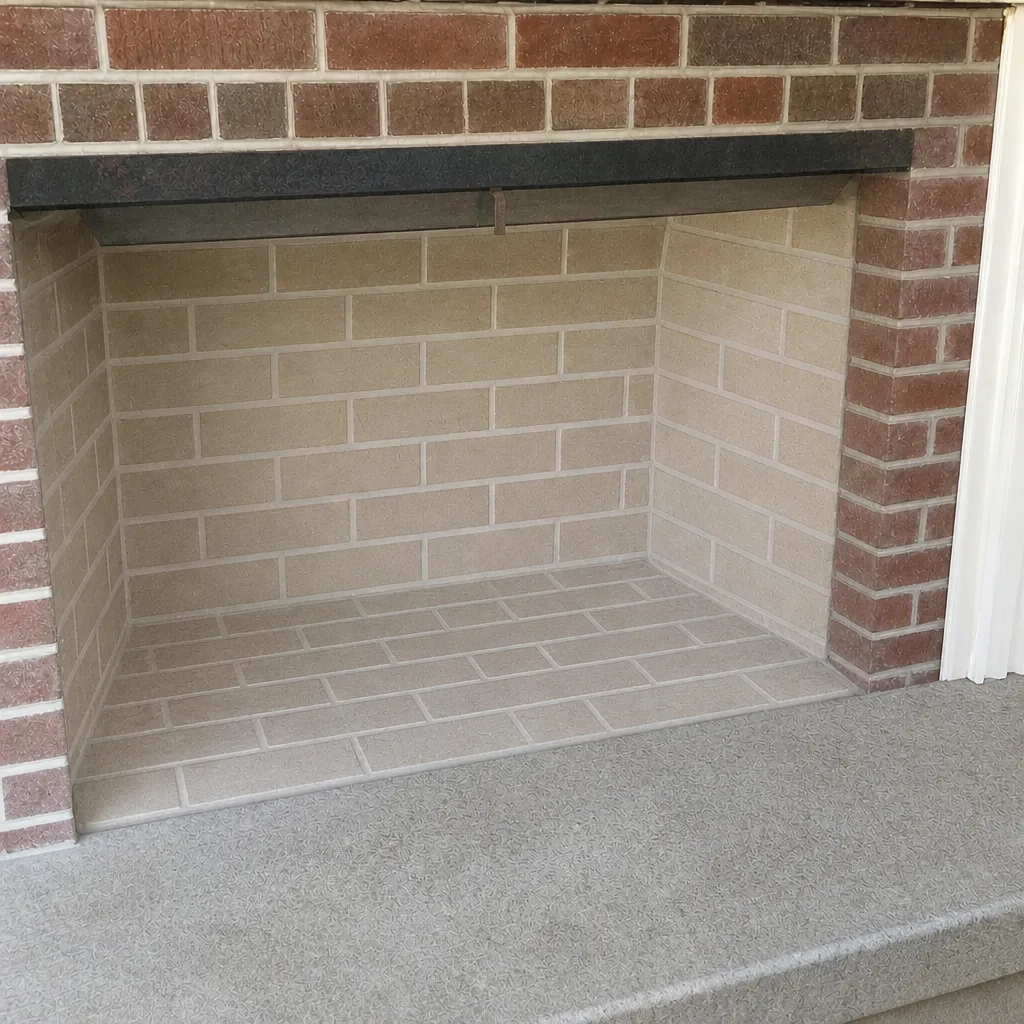
See the difference
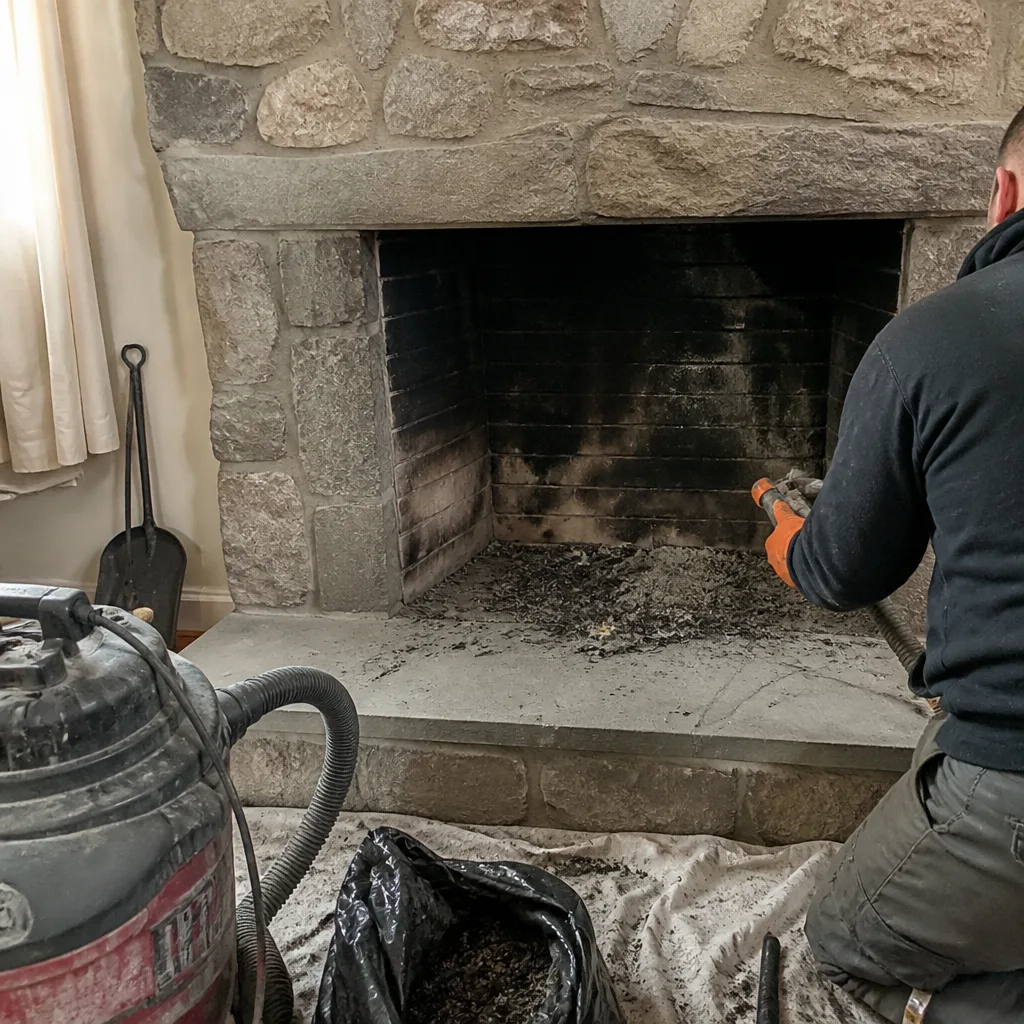 Before
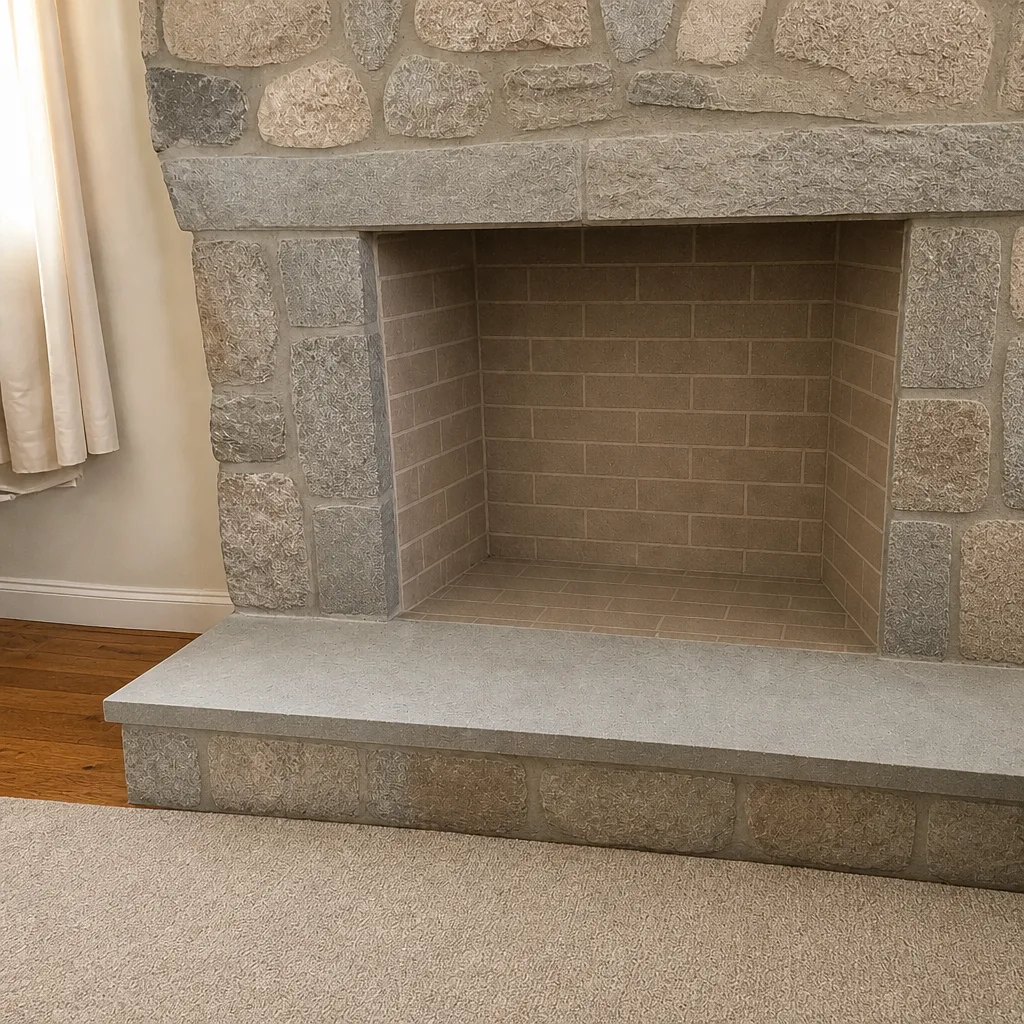 After
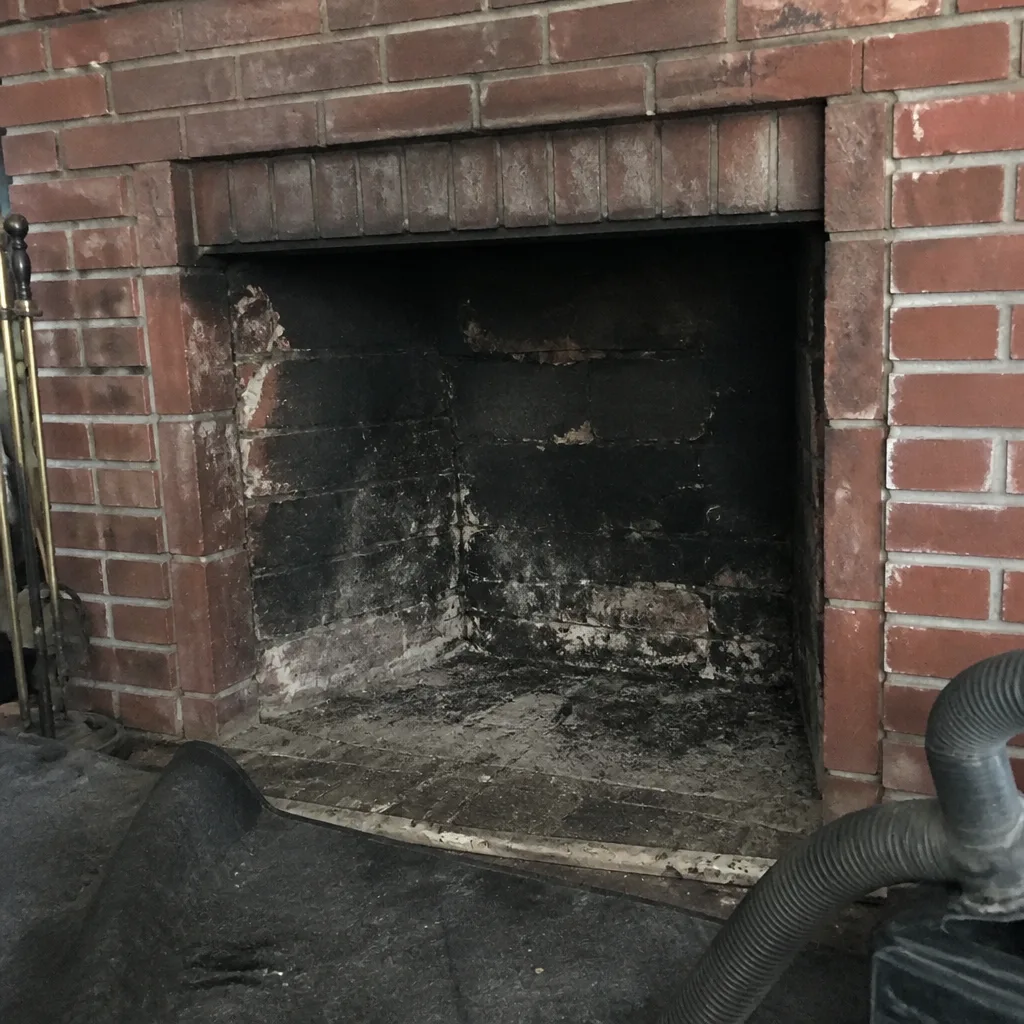 Before
 After
 Before
 After
Common Mistakes to Avoid
- Treating “licensed” as a checkmark. Massachusetts doesn’t license chimney sweeping specifically, so a license that seems to cover it may not exist. Ask about CSIA certification and insurance instead.
- Accepting verbal insurance assurances. A “we’re fully insured” claim means nothing without a certificate of insurance and a carrier you can verify.
- Buying on price alone. A low-bid sweep in Springfield is often the entry point for an inflated repair recommendation later. Price is one factor, documentation is another.
- Skipping the camera report. If you can’t see the images, you can’t verify the recommendation, and you’re stuck trusting a sales pitch. Insist on a report you can keep.
- Signing a same-day repair contract under pressure. A real repair recommendation can be documented and can usually wait while you get a second opinion. Urgency without documentation is a red flag.
- Confusing a sweep with an inspection. A brushed flue isn’t the same as an inspected flue. Know which service you’re buying so you don’t assume the chimney was fully examined.
- Booking the generalist because the number was on the magnet. A roofing company that also sweeps chimneys is treating your flue as a side job, not a specialty.
When to Call a Professional
Some chimney issues are safe to note and watch; others need a trained professional, and quickly. Call a specialist if you smell a strong creosote or smoky odor when the fireplace isn’t in use, if you see soot falling back into the firebox, if the draft is poor or smoke rolls into the room, or if the masonry shows cracked tile, spalling, or a damaged crown. Before burning season is the best time to schedule a sweep and inspection, so problems are caught before you light the first fire. Any suspected liner damage, cracked flue tile, or blockage should be handled by a trained professional rather than examined or cleared on your own, since those conditions carry real chimney-fire and carbon monoxide risk. Lockhart Chimney Sweep offers free estimates in Springfield – call (855) 360-8122. We answer 24/7. Fast dispatch from 7am to 7pm, Sunday through Friday.
Frequently Asked Questions
A standard chimney sweep in Springfield typically falls in the range you’d expect for a New England market, and the written estimate sets the final price. The sweep is usually priced separately from any inspection or repair, so ask for an itemized estimate that shows each line. Call (855) 360-8122 for an exact quote – estimates are free.
Not always, and that’s exactly why the camera evidence matters. A liner replacement is recommended when the flue tile is cracked or deteriorated beyond what resurfacing can safely address, but in some cases HeatShield resurfacing can restore damaged tile without a full reline. Ask to see the images, and ask whether the work can safely wait while you get a second opinion. Call (855) 360-8122 for an exact quote – estimates are free.
A common rule of thumb is once a year for a wood-burning fireplace that sees regular use, with an inspection at the same time. If you burn frequently or notice creosote buildup, poor draft, or odors, it’s worth scheduling sooner. The right interval depends on what you burn and how much, and a professional can tell you what your specific flue needs. Call (855) 360-8122 for an exact quote – estimates are free.
Creosote builds up in the flue, and when it reaches a certain level it can ignite, which is how chimney fires start. A blocked or damaged flue can also let carbon monoxide back into the home instead of venting it outside. Skipping a sweep doesn’t cause a problem overnight, but the risk compounds with each season of use. Call (855) 360-8122 for an exact quote – estimates are free.
No, it isn’t required, which is why it’s worth asking about. CSIA certification is a voluntary credential that shows a technician has passed an exam and stays current through ongoing education, and it’s one of the most reliable signals you can check. Confirm the technician’s name and certification number and verify it’s active. Call (855) 360-8122 for an exact quote – estimates are free.
Same-day service is often possible depending on the schedule, and you can call to find out what’s available. We answer 24/7. Fast dispatch from 7am to 7pm, Sunday through Friday. A call outside dispatch hours is booked into the next opening, Sunday through Friday, 7am to 7pm. Call (855) 360-8122 for an exact quote – estimates are free.
The Bottom Line
Hiring a chimney cleaning contractor in Springfield comes down to filtering, not just checking a box. Because there’s no state license requirement for sweeping, your protection comes from verified CSIA certification, real insurance documentation, and a written scope of work with an itemized estimate. Favor dedicated chimney companies over generalists, demand camera evidence for any repair recommendation, and treat same-day pressure to sign as the red flag it is. Ask the five questions, verify the paperwork, and let the documentation do the deciding. A genuine specialist will welcome every question and show you exactly what’s inside your flue before recommending a dollar of work.
Ready to schedule a sweep or inspection? Call (855) 360-8122 for a free estimate. We answer 24/7. Fast dispatch from 7am to 7pm, Sunday through Friday.
Written by the team at Lockhart Chimney Sweep.