
Last updated November 16, 2026
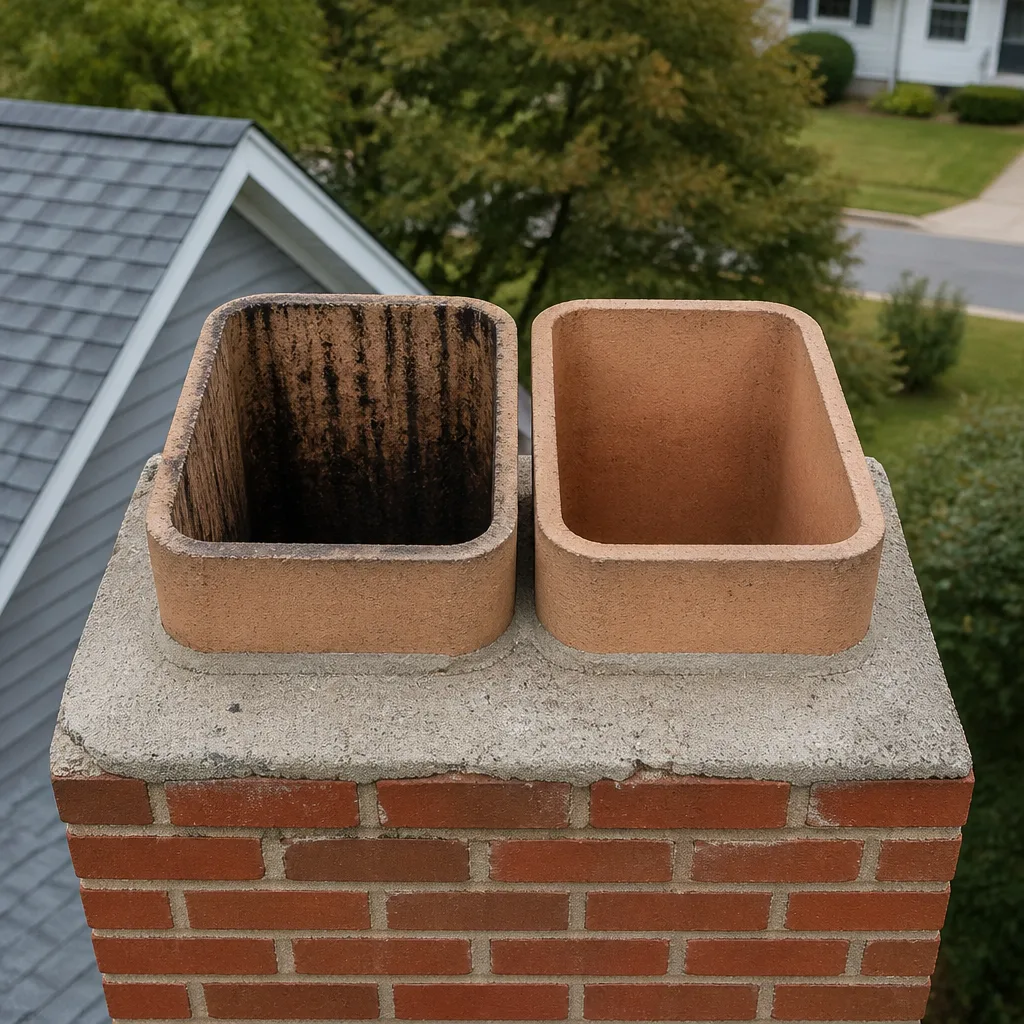 Sweep & inspection
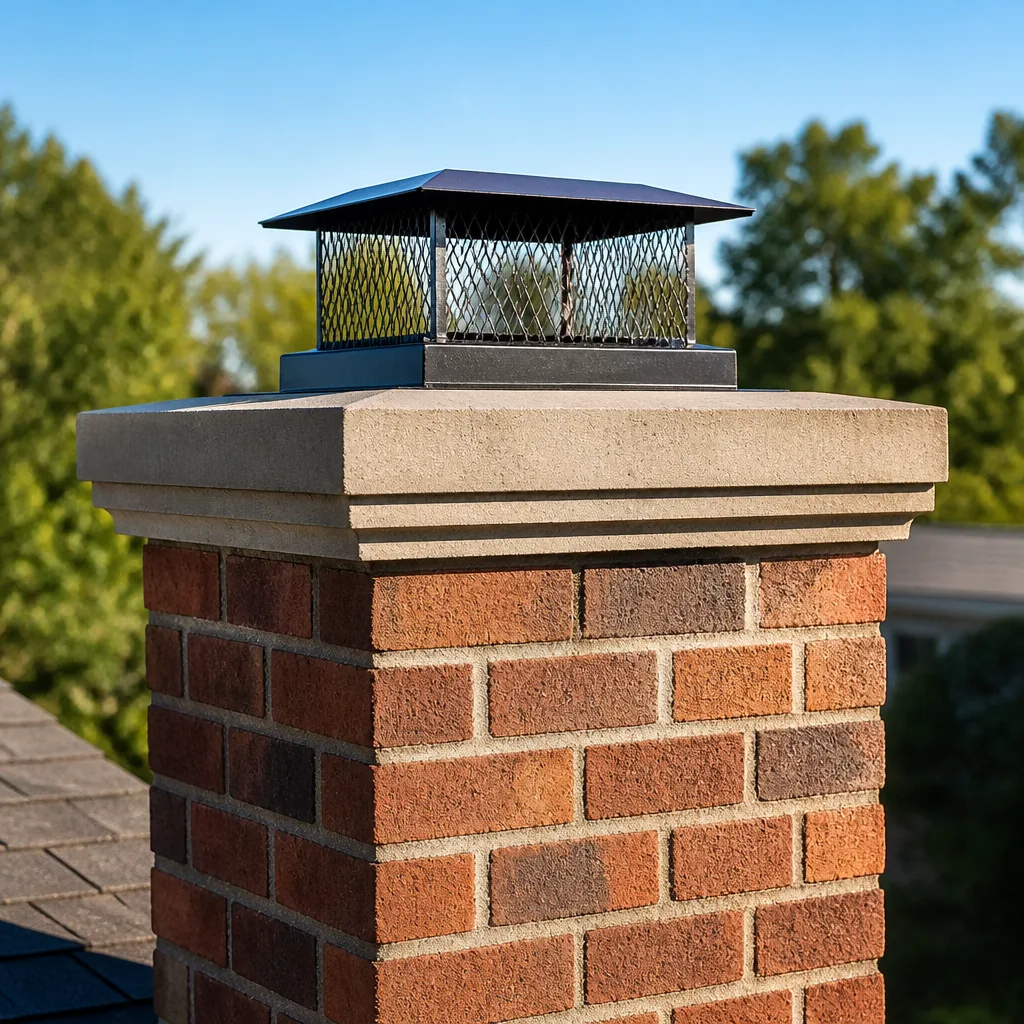 Caps & crowns
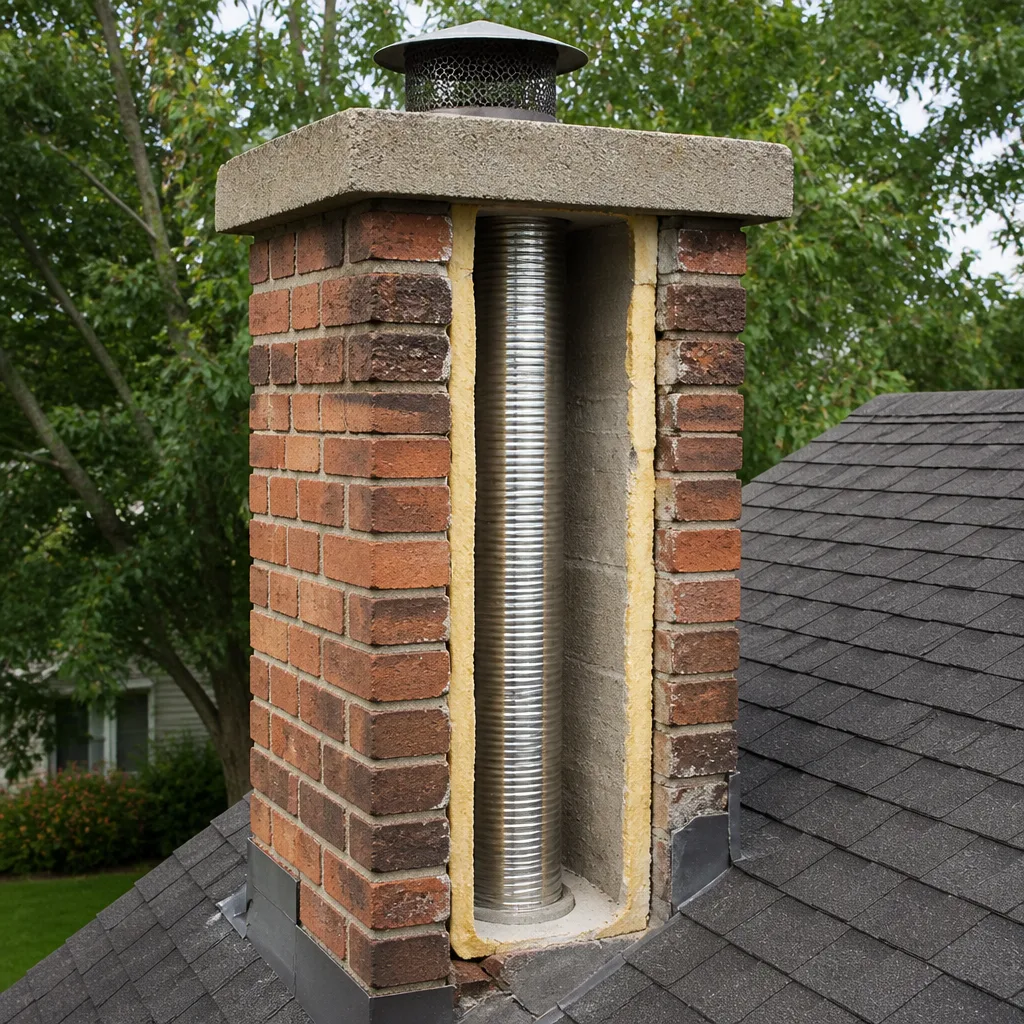 Flue relining
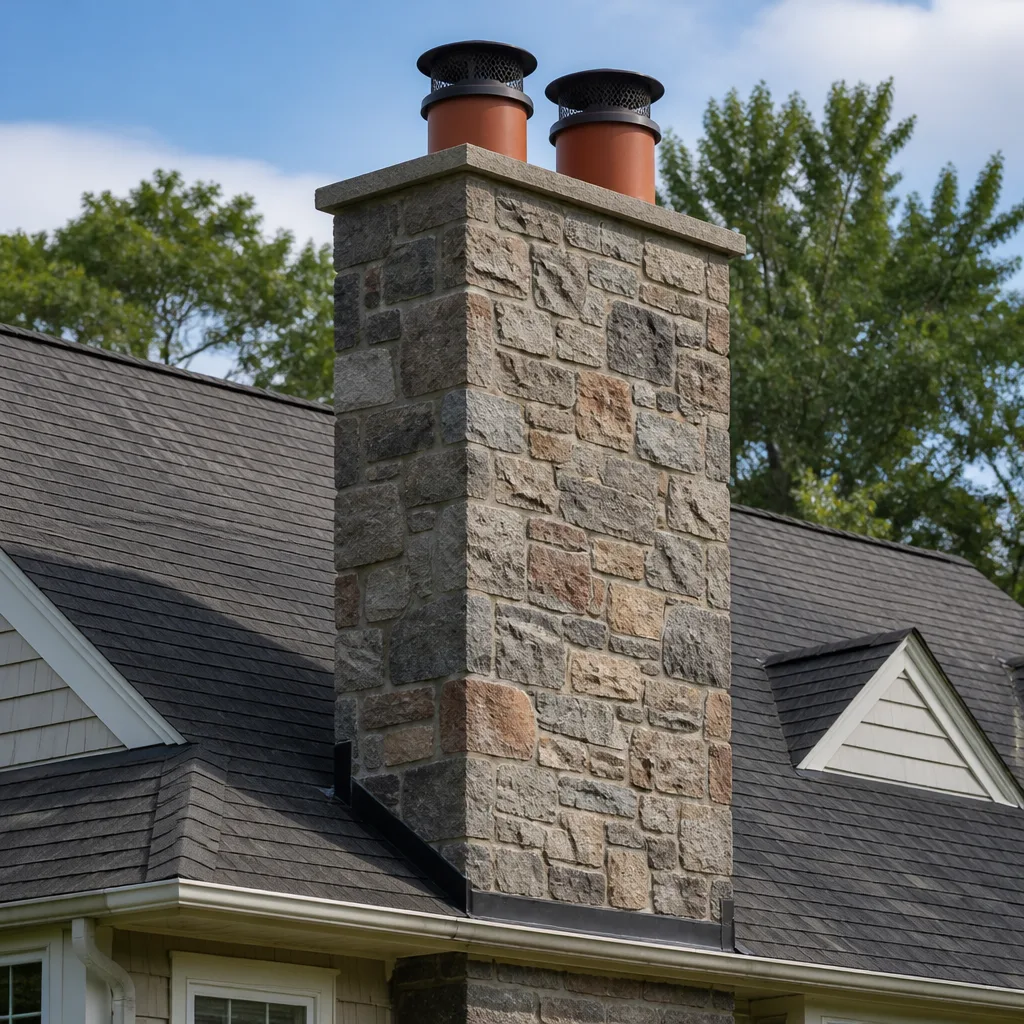 Masonry repair
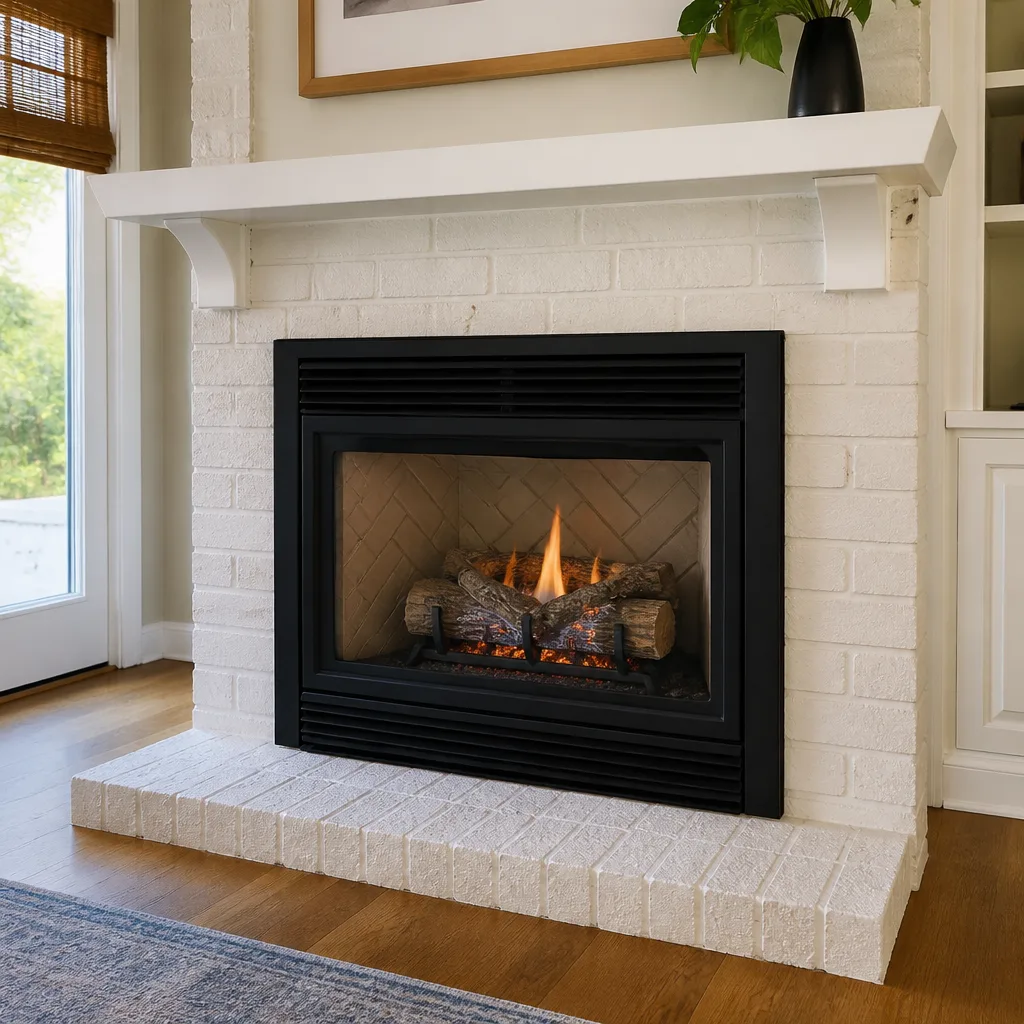 Gas fireplace service
Level 1 sweep and inspection to the NFPA 211 annual standard - flue, crown, cap, and flashing checked and photographed
Chimney sweep logs do not sweep chimneys. They loosen some creosote - which then falls where a brush and vacuum still have to collect it.
Chimney Cleaning Cost Breakdown: The Springfield Homeowner’s Reference for 2026
The $99 chimney cleaning special you’ve seen advertised isn’t a deal. It’s a loss leader designed to get a technician into your home to sell you repairs, some necessary and some not. The price difference between a $99 cleaning and a $299 one isn’t markup on the same work; it reflects entirely different scopes of service, and Springfield homeowners who choose on price alone often pay the difference later in repairs a thorough inspection would have caught early. In this guide, we break down what chimney cleaning actually costs in the Springfield market for 2026, what legitimately changes the price, how to read an estimate line by line, and what skipping an annual cleaning truly costs you.
Quick Answer
Chimney cleaning in Springfield typically costs $180 to $350 for a standard sweep with a Level 1 visual inspection included. A Level 2 inspection, which adds a camera scan of the flue, usually runs $250 to $500 depending on the chimney’s complexity. The written estimate you receive before any work begins sets the final price, and a legitimate chimney company will tell you plainly when a sweep is all you need.
Styles & brands we work with
- Sweep & inspection
- Caps & crowns
- Flue relining
- Masonry repair
- Gas fireplace service
Table of Contents
- What does chimney cleaning cost in Springfield in 2026?
- What legitimately changes the price of a chimney sweep?
- What “inspection included” actually means
- How to read a chimney estimate line by line
- What skipping an annual cleaning really costs you
- Common mistakes to avoid
- When to call a professional
- Frequently asked questions
What does chimney cleaning cost in Springfield in 2026?
Chimney cleaning in Springfield typically costs $180 to $350 for a straightforward sweep, and that price almost always includes a Level 1 visual inspection. Homes with more complex flue configurations, heavy creosote, or a need for camera work will land at the higher end. The ranges below reflect the Springfield market going into 2026 and are typical estimates, not fixed prices.
| Service | Typical Price Range | What It Covers |
|---|---|---|
| Standard chimney sweep | $180 – $350 | Removal of soot, creosote, and debris from the firebox, damper, smoke chamber, and flue; Level 1 visual inspection included |
| Level 1 inspection (standalone) | $100 – $200 | Visual check of accessible chimney components, firebox, damper, and flue from ground level and firebox |
| Level 2 inspection | $250 – $500 | Everything in Level 1 plus a video camera scan of the flue interior; required after a chimney fire, a change in fuel type, or a property transfer |
| Sweep plus Level 2 inspection | $350 – $650 | Full cleaning followed by camera scan and written report with photo documentation |
These are estimates, and the written estimate sets the final price. A few factors push a Springfield job toward the top of a range. Older masonry chimneys in neighborhoods like Forest Park and McKnight often have offsets in the flue that take longer to clean thoroughly. Homes in the hill sections of the city where wind exposure is higher sometimes have more debris at the chimney cap. And a chimney that hasn’t been cleaned in several years may have creosote buildup that requires more time and care to remove safely.
What shouldn’t affect the price is equally important. The number of stories in your home doesn’t change the sweep cost. Neither does the type of heating system you use elsewhere in the house, or whether you also want a cap installed on the same visit. When those items appear on an estimate as surcharges, ask why.
What legitimately changes the price of a chimney sweep?
Four variables legitimately move the price of a chimney sweep: flue height, fuel type, creosote stage, and liner configuration. Everything else is either standard scope or padding.
- Flue height. A taller chimney takes more time to access and clean safely. A single-story ranch in the Sixteen Acres area typically takes less time than a three-story colonial, and the price reflects that.
- Fuel type. Wood-burning fireplaces build up creosote and require full mechanical cleaning. Gas inserts and gas log sets produce different deposits and often need less aggressive cleaning, but they still need inspection. Oil-fired appliances require their own approach.
- Creosote stage. Creosote builds up in three stages. Stage 1 is soot and light flaking that brushes off easily. Stage 2 is a crusty, flaky deposit that takes more mechanical work. Stage 3 is a glazed, hardened deposit that may require chemical treatment before brushing and often signals a need for a Level 2 inspection or repair. A Stage 3 chimney is a fire hazard and should be addressed before the next burn.
- Liner type and configuration. A straight clay tile flue is quick work. A stainless steel liner with an offset or a chimney with a non-standard flue path takes longer. When offset flues need a liner replacement, we source flexible systems like DuraFlex that can navigate bends rigid liners can’t reach.
In our experience, the honest variables above account for nearly all legitimate price variation. When a company quotes a low base price and then adds charges for things that should be standard, the final number is usually higher than a straightforward quote from a chimney specialist.
Springfield’s climate throws one more variable into the mix. The freeze-thaw cycles that hit the Pioneer Valley each winter work on masonry. Water gets into small cracks, freezes, expands, and widens them. A chimney that was fine in October may show spalling brick or a cracked crown by March. That’s a repair question, not a cleaning question, and a thorough inspection at the start of burning season catches it before it becomes expensive.
What “inspection included” actually means
“Inspection included” means very different things depending on who’s saying it. In a legitimate quote, it means a Level 1 visual inspection of the firebox, damper, smoke chamber, flue from the firebox, and the exterior chimney components you can safely see. It does not automatically mean a camera scan of the flue interior. That’s a Level 2 inspection, and it’s a separate, more involved service.
Here’s what the three inspection levels actually cover, so you can ask the right questions before booking:
- Level 1: A visual check of all readily accessible parts of the chimney and venting system, with the firebox open and the damper operated. This is what’s included with a standard sweep.
- Level 2: Everything in Level 1 plus a video camera scan of the flue interior and accessible attics, crawl spaces, and basements. Recommended after a chimney fire, an earthquake, a change in fuel type, a liner replacement, or when a property changes hands.
- Level 3: A Level 2 plus removal of parts of the chimney or building to access concealed areas. Rare, and usually only done when a serious defect is suspected.
When you call to book, ask three questions: Is the inspection a Level 1 visual or a camera scan? Will you give me a written report with photos? And will you tell me plainly if work can wait until next season? A chimney specialist who works exclusively on chimneys will answer all three without hesitation. If the answers are vague, the “inspection included” line on the quote is doing a lot of quiet work.
Springfield homes with older masonry chimneys benefit most from the camera scan. A flue tile crack you can’t see from the firebox can let heat and carbon monoxide into the structure of the house. The camera finds it, and a photo in the report lets you see exactly what we see. Nothing gets recommended without that evidence in hand, and we’ll tell you directly when a repair can safely wait until spring.
How to read a chimney estimate line by line
Reading a chimney estimate line by line is the single best way to avoid paying for work you don’t need. A clear estimate separates the sweep, the inspection, any recommended repairs, and the products used, with a price for each. A padded estimate bundles those items into a single vague number and adds line items you can’t evaluate.
Here’s a numbered walkthrough for reading any estimate you receive, whether it’s from us or anyone else:
- Find the sweep price by itself. A legitimate estimate states the sweep cost as a single line. If the sweep is only available “bundled” with an inspection and a repair, ask for the itemized version.
- Check the inspection level. The estimate should say whether it’s a Level 1 visual or a Level 2 camera inspection. If it just says “inspection,” ask which one. The price difference between them is real and so is the scope difference.
- Look for repair recommendations without evidence. Any recommended repair should come with a photo or a camera finding you can see. No photo, no urgency. A legitimate company will show you what’s failing and explain why it matters before asking you to approve the work.
- Watch for vague scope items. “Chimney tune-up,” “system conditioning,” and “safety package” are not services; they’re labels. Ask what specific work each one covers. If the answer is a list of things already included in the sweep, it’s padding.
- Check the product lines. If a liner or cap is being quoted, the estimate should name what’s being installed. Professional-grade products like Olympia Chimney liners or a Famco cap cost more than hardware-store alternatives, and the estimate should reflect that honestly rather than quoting the cheap version at a premium price.
- Confirm the price is fixed in writing. The written estimate should state the total before work begins. If the final invoice is allowed to drift, it will.
- Ask what happens if the technician finds something unexpected. The answer should be that work stops, you’re shown the finding, and you approve or decline before anything further happens. Any other answer is a red flag.
In Springfield, the residential stock ranges from antique colonials to newer builds, and the chimneys vary just as widely. A quote that fits every house is a quote that was probably written before anyone looked at yours.
What skipping an annual cleaning really costs you
Skipping an annual chimney cleaning saves the cost of one sweep and adds hundreds to thousands of dollars in repair frequency over the life of a chimney. The trade-off is not close. Creosote that builds up past Stage 2 becomes a fire hazard and a harder, more expensive cleaning; moisture that gets into unaddressed masonry cracks widens them through Springfield’s freeze-thaw cycle; and small flue tile cracks that a camera would have caught early become full liner replacement jobs.
Here’s the practical math for a Springfield wood-burning homeowner:
- Annual sweep cost: $180 to $350.
- Cost of one missed year plus fire damage: potentially tens of thousands, depending on the extent.
- Cost of a liner replacement after years of skipped cleaning: typically well into four figures, versus a sweep every year and a HeatShield resurfacing repair if a flue tile shows damage early.
- Cost of a chimney cap installed: modest, versus a chimney rebuilt after years of water damage from an uncapped flue.
HeatShield resurfacing is worth knowing about here. It’s a system designed to restore deteriorated flue tile without full liner replacement. It works when the damage is caught early enough to be a candidate for resurfacing rather than a full liner install. Most sweep-only companies can’t offer it because they don’t do repair, so the only option they can present is the bigger one. That’s not necessarily dishonesty; it’s scope. But it’s a reason to work with a company that offers sweep, inspection, and repair under one roof.
There’s also the carbon monoxide question. A chimney that isn’t venting properly can push combustion gases back into the home instead of up and out. An inspection catches draft problems, blockages, and flue damage that a fire or CO incident would have revealed the hard way. That’s a real reason to keep the annual appointment on the calendar in Springfield, where the burning season is long and the house is sealed tight against the cold for months at a stretch. A clean chimney and a documented inspection is the baseline. If it needs to be more than that, we’ll tell you, and we’ll show you why.
Common Mistakes to Avoid
- Choosing a cleaning service on the coupon price alone. A sweep that skips the smoke chamber, the damper, and the upper flue isn’t a sweep. That $99 gets a brush partway up the chimney and a sales pitch on the way down. In Springfield, where older chimneys in neighborhoods like East Forest Park and Indian Orchard often have more complex flue paths, a rushed sweep can miss exactly the buildup that matters.
- Assuming “inspection included” means a camera scan. It almost never does. A Level 1 visual inspection is standard with a sweep; a Level 2 with camera is a separate service. Ask which one you’re getting before you book.
- Skipping the inspection because the sweep got the soot out. The sweep cleans; the inspection finds the problems. They’re different jobs, and one does not replace the other.
- Burning unseasoned wood to save money on fuel. Green or wet wood produces more creosote per cord than dry, seasoned wood does. The savings on wood turn into more frequent cleanings and more creosote risk. Season your wood, and store it under cover.
- Ignoring a damaged chimney cap. A cracked or missing cap lets water, animals, and debris into the flue. In Springfield’s wet winters, an uncapped chimney takes on water for months. A Famco or Copperfield cap installed during a sweep is inexpensive; the water damage from going without is not.
- Not getting the price in writing before work starts. A phone quote is not an estimate. The written estimate sets the final price, and it should be in your hands before any work begins.
- Treating a chimney “tune-up” as a service type. A tune-up on a furnace is a real service. On a chimney, it usually means a sweep with a better name and a higher price. Ask what specific work it includes.
When to Call a Professional
Call a chimney professional when you haven’t had a sweep in the last year and the burning season is approaching, when you’ve moved into a new home, or when you see or smell signs of a problem. Specifically, call if you’re seeing dark staining or creosote flaking at the top of the firebox, if the chimney is smoking into the room, if smoke is backing up when you open the damper, if you notice a strong creosote or soot smell in warm weather, or if you’ve had a chimney fire, even a small one. Call if animals or debris have gotten in through a missing cap. Call if there’s spalling brick or crumbled mortar on the exterior of the chimney, which Springfield’s winters punish. And call before burning season to get on the schedule ahead of the cold. Lockhart Chimney Sweep offers free estimates in Springfield. Call (855) 360-8122. We answer 24/7. Fast dispatch from 7am to 7pm, Sunday through Friday.
Frequently Asked Questions
Chimney sweeping in Springfield typically costs $180 to $350 for a standard sweep with a Level 1 visual inspection included. The price is set per job by the written estimate, and a camera inspection (Level 2) is a separate, higher-priced service. Call (855) 360-8122 for an exact quote; estimates are free.
No, a $99 chimney cleaning is usually a loss leader designed to get a technician into your home to sell repairs. In practice, that price rarely covers a full sweep of the firebox, damper, smoke chamber, and flue. The better question is whether the estimate covers the full system and includes a written report. For a straightforward quote on a full sweep from a chimney specialist, chimney sweep work from our team is priced per job. Call (855) 360-8122 for an exact quote; estimates are free.
Only if the evidence says so. A new liner is warranted when flue tiles are cracked, missing, or deteriorated to the point where they can’t safely contain combustion gases, or when a gas appliance is being installed in a chimney that wasn’t designed for it. If the damage is caught early and is limited to the tile surface, resurfacing with HeatShield can restore the flue without full relining. Don’t accept a liner recommendation without seeing the camera footage. Call (855) 360-8122 for an exact quote; estimates are free.
A chimney used for wood burning should be swept once a year, and Springfield’s long heating season is the reason. The chimney becomes the main way the house vents from roughly October into April, so creosote builds faster than it would in a milder climate. Gas and oil appliances have their own inspection schedules, and a chimney that’s been damaged or had a fire should be inspected before the next burn regardless of timing. Call (855) 360-8122 for an exact quote; estimates are free.
Creosote builds up past the point where brushing removes it easily, the fire risk rises, and small flue cracks that a camera would have caught widen into bigger problems. In Springfield, the freeze-thaw cycle makes that last point worse, because moisture that gets into a crack expands as it freezes. The cost of one sweep is small compared to the cost of a liner replacement or a fire. Call (855) 360-8122 for an exact quote; estimates are free.
No, the number of stories in a home is not a legitimate price variable for a chimney sweep. The price changes with flue height, fuel type, creosote stage, and the configuration of the flue, not with the height of the house. If an estimate adds a charge for “two-story access,” ask what the charge is for. The cheapest estimate and the most expensive estimate for the same chimney should cover the same work; the honest quote shows you what that work is. Call (855) 360-8122 for an exact quote; estimates are free.
The Bottom Line
Chimney cleaning in Springfield runs $180 to $350 for a standard sweep with a Level 1 visual, and a Level 2 camera inspection is $250 to $500. Those numbers reflect real scope differences, not markup, and the coupon price that beats them is almost always recovering the difference somewhere else. Choose a company that separates sweep, inspection, and repair, shows you camera evidence before recommending work, names the product lines it installs, and tells you when a repair can wait. If you’re in Springfield and want a straight answer on what your chimney needs, see our chimney repair services or learn more about Springfield and Lockhart Chimney Sweep. We work exclusively on chimneys, and it shows in the products we specify and the problems we can actually fix. Call (855) 360-8122 for a free estimate. We answer 24/7. Fast dispatch from 7am to 7pm, Sunday through Friday.
Written by the team at Lockhart Chimney Sweep.
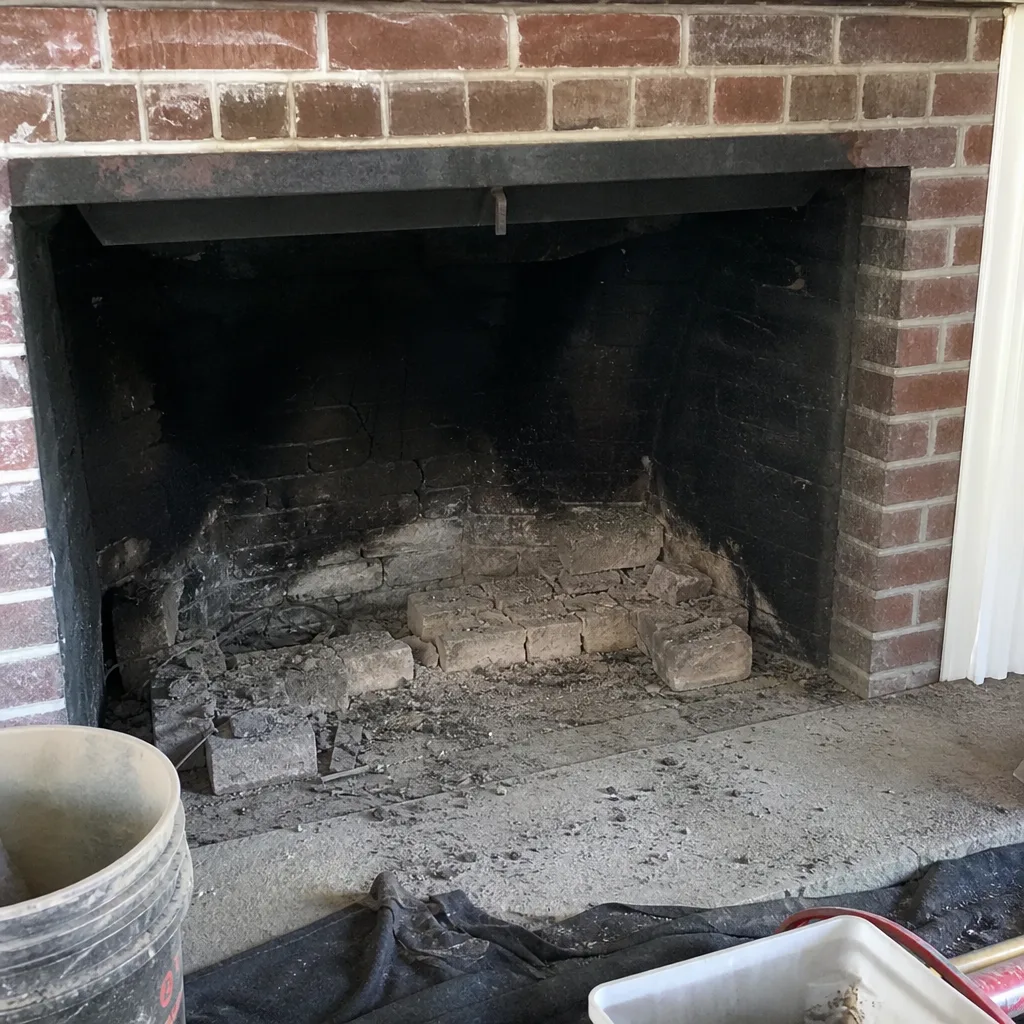
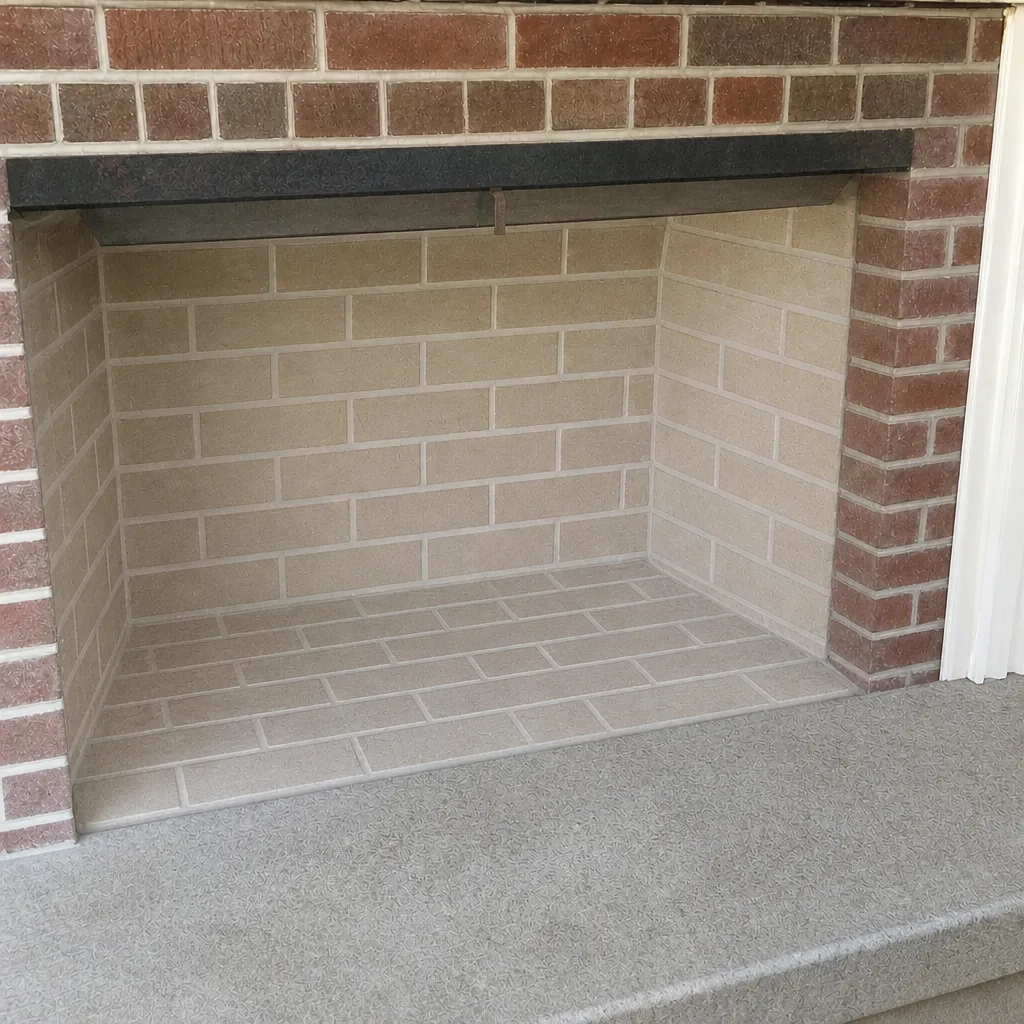
See the difference
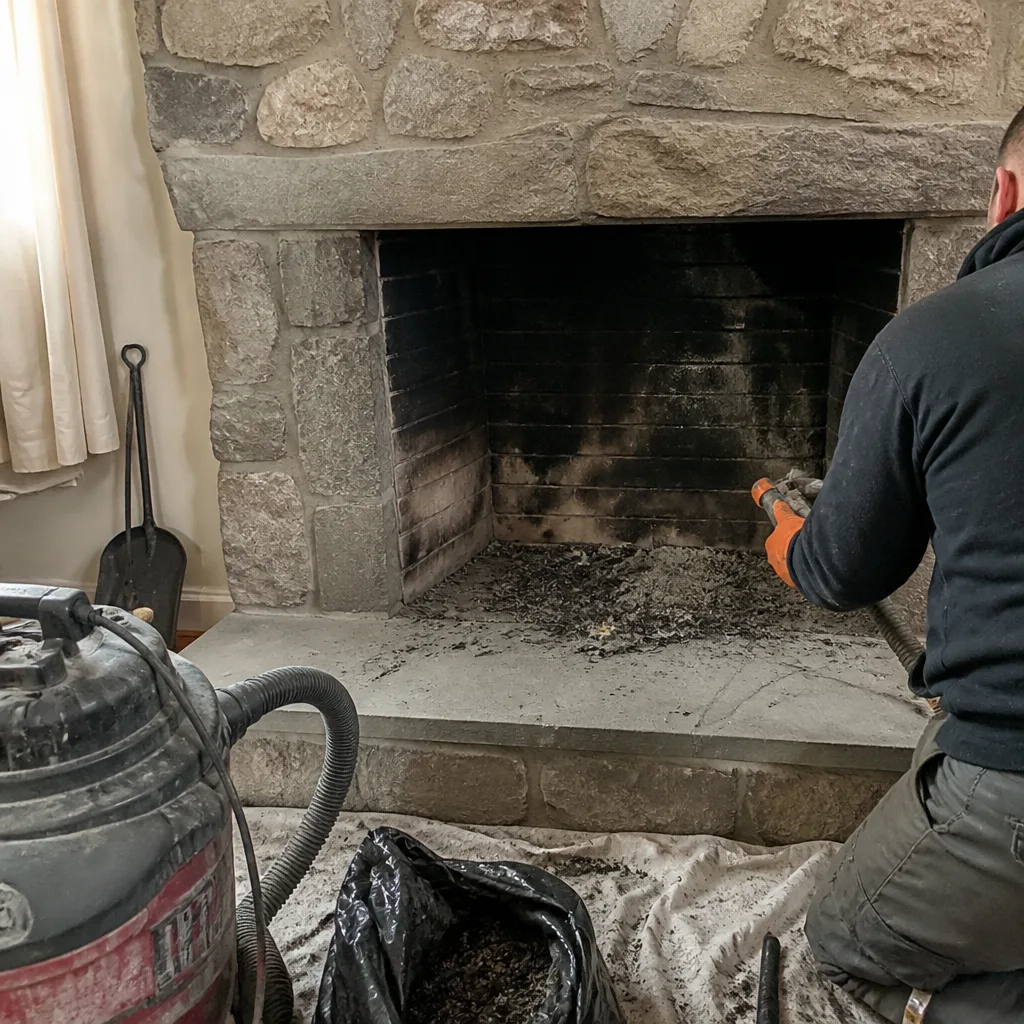 Before
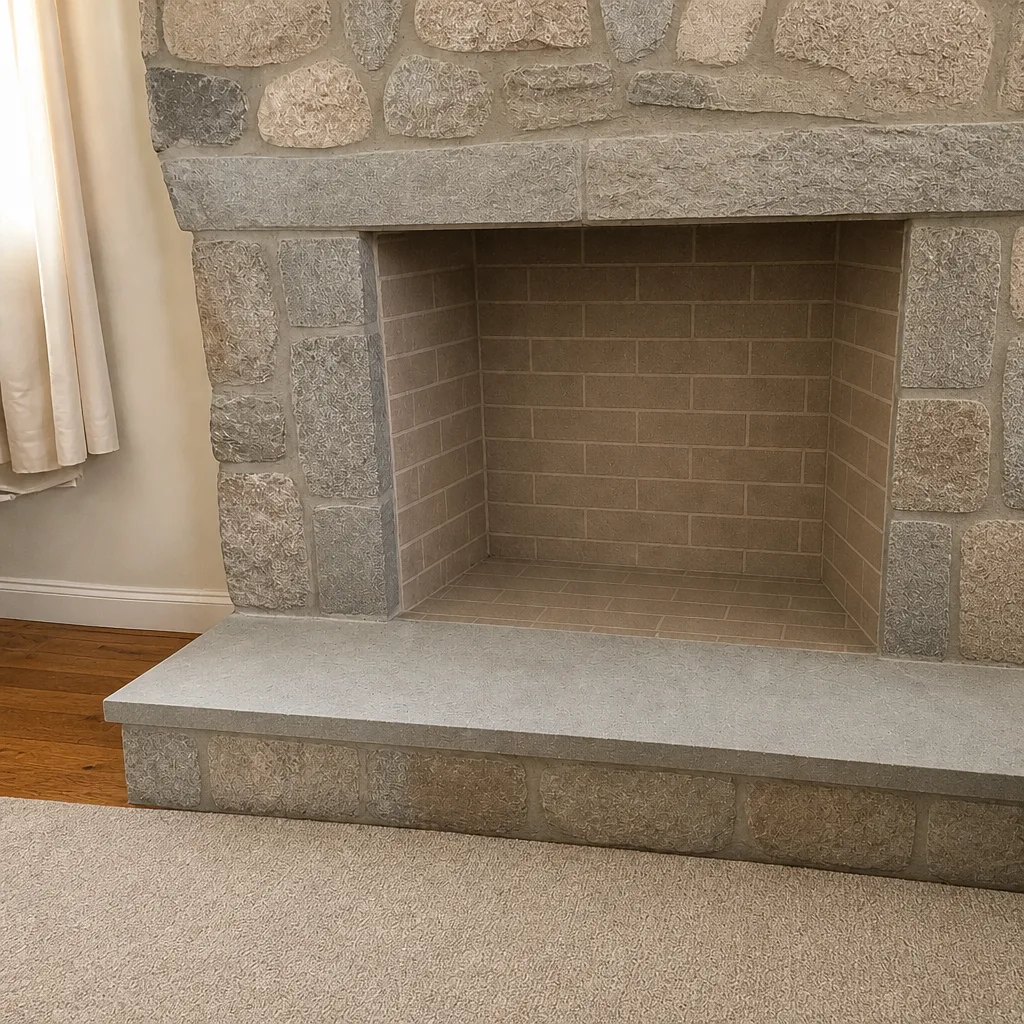 After
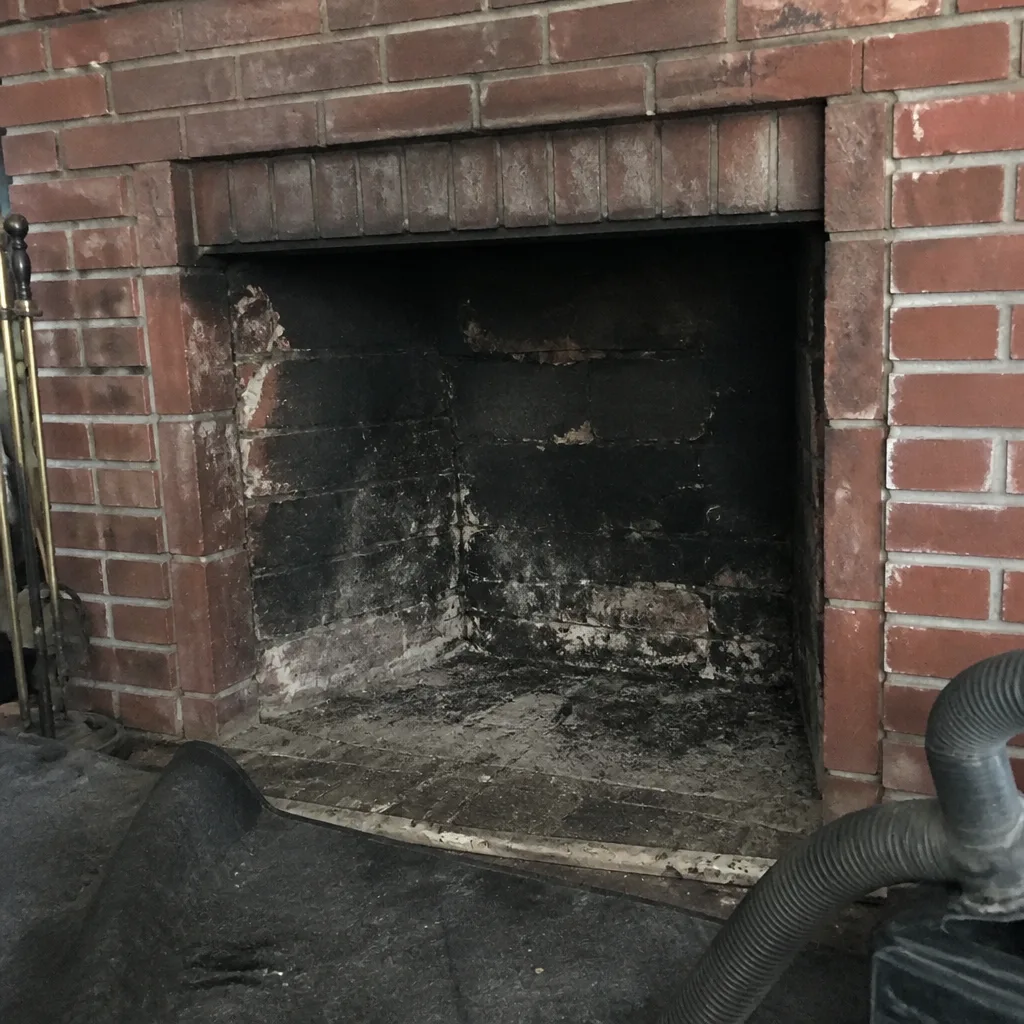 Before
 After
 Before
 After