
Last updated November 16, 2026
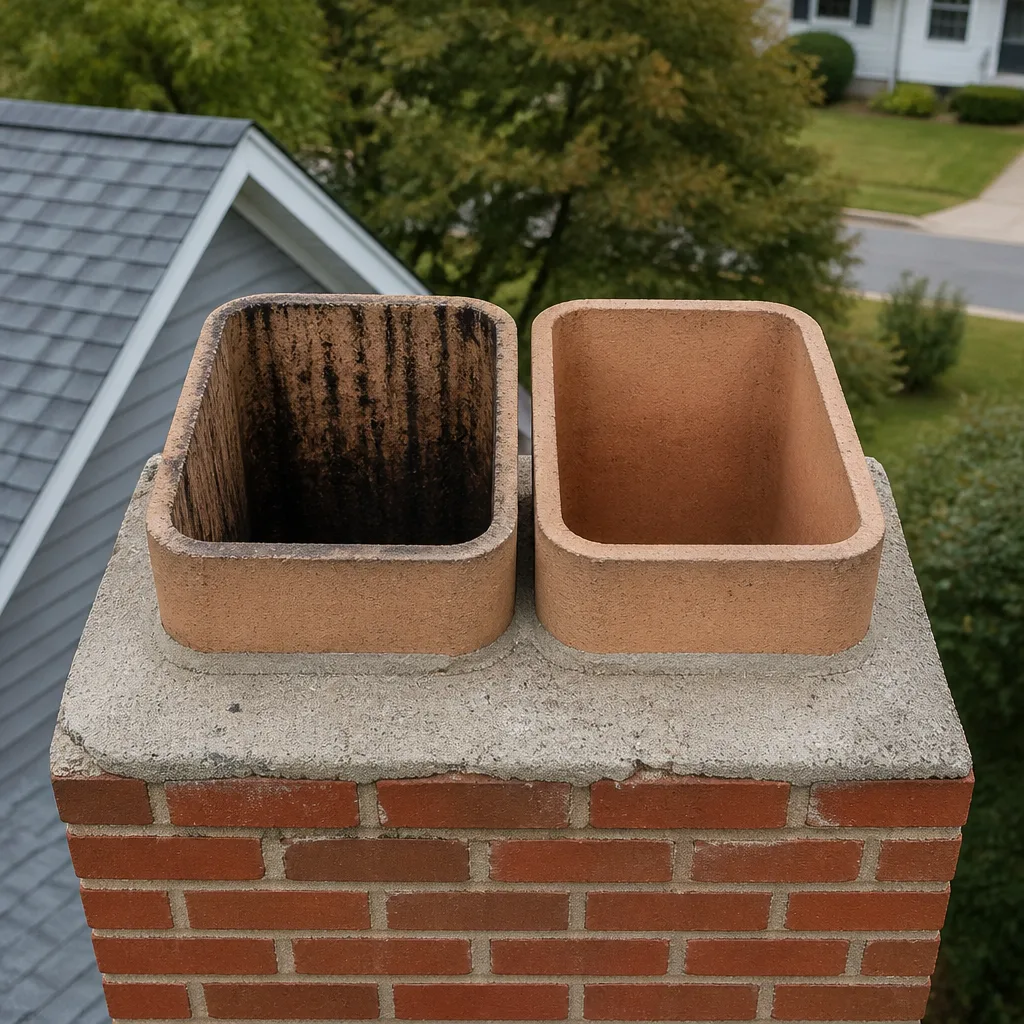 Sweep & inspection
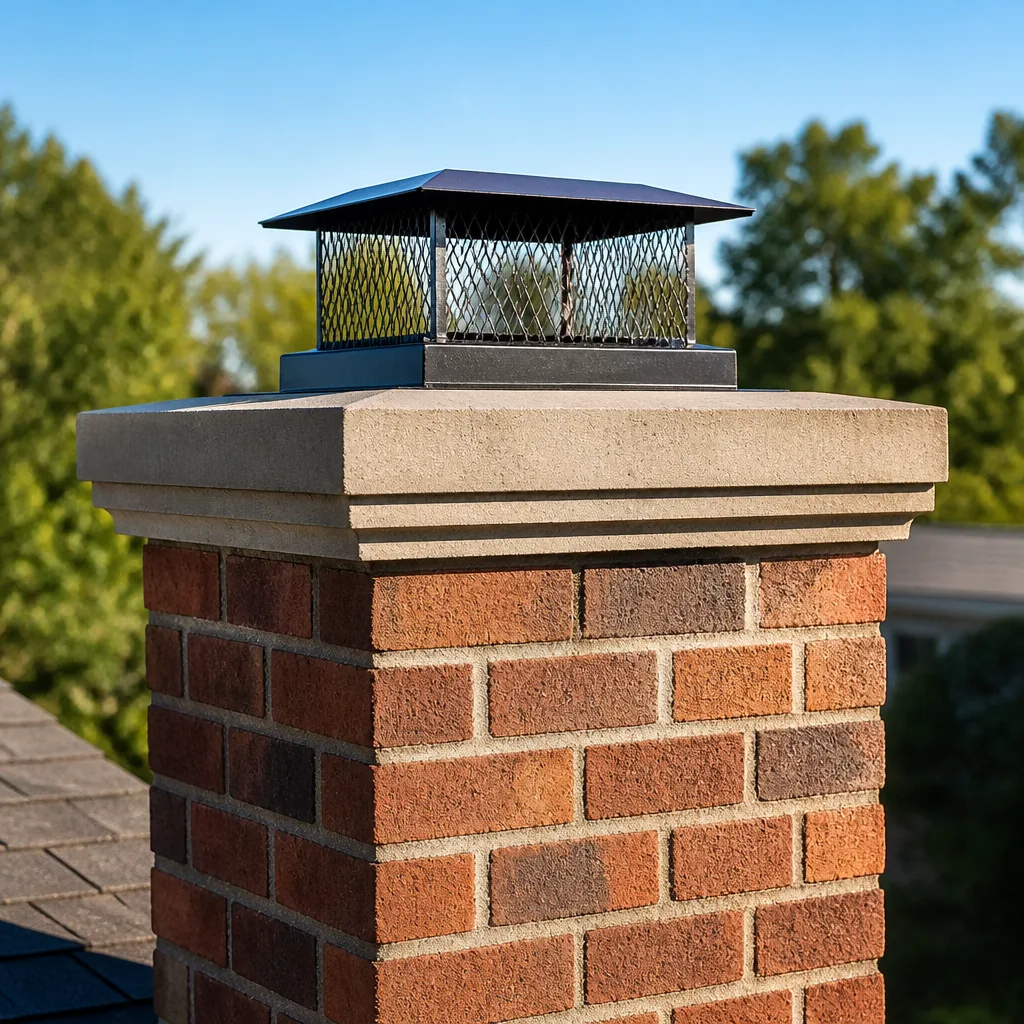 Caps & crowns
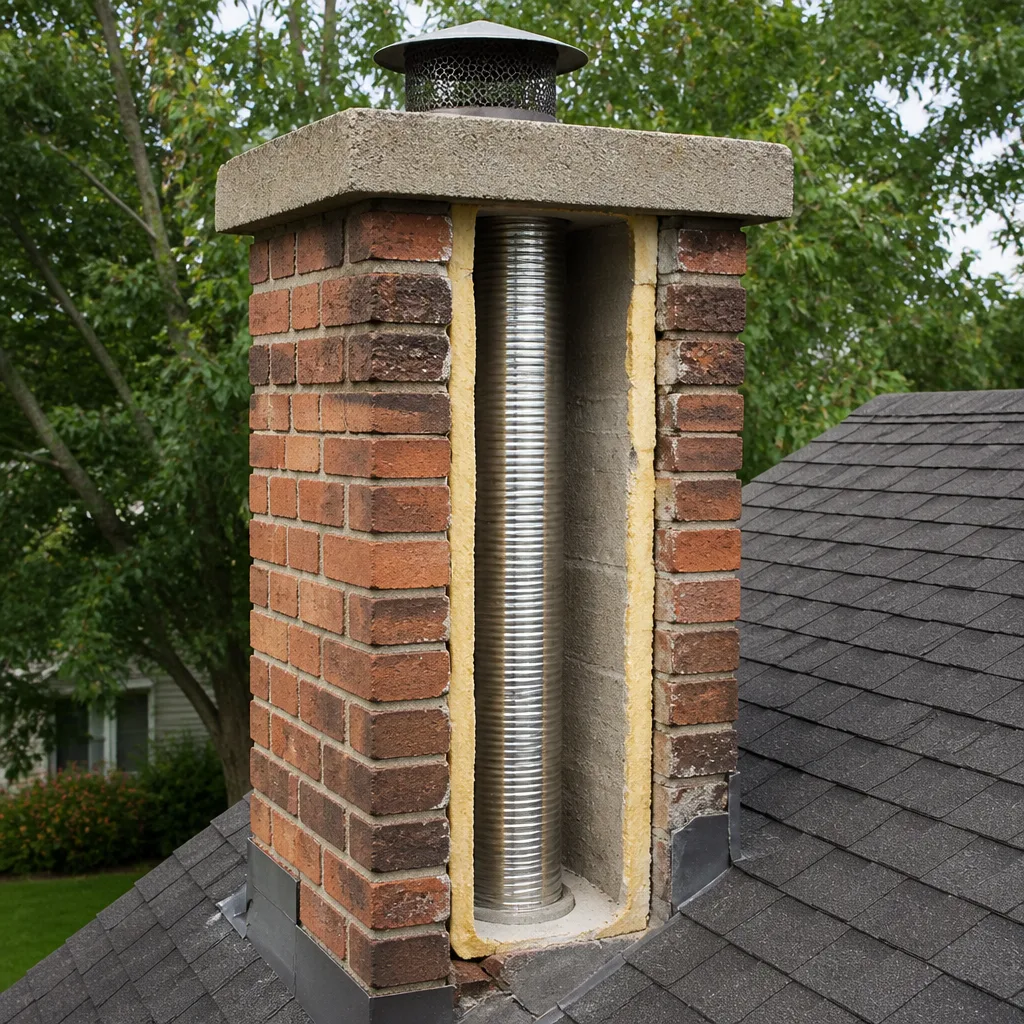 Flue relining
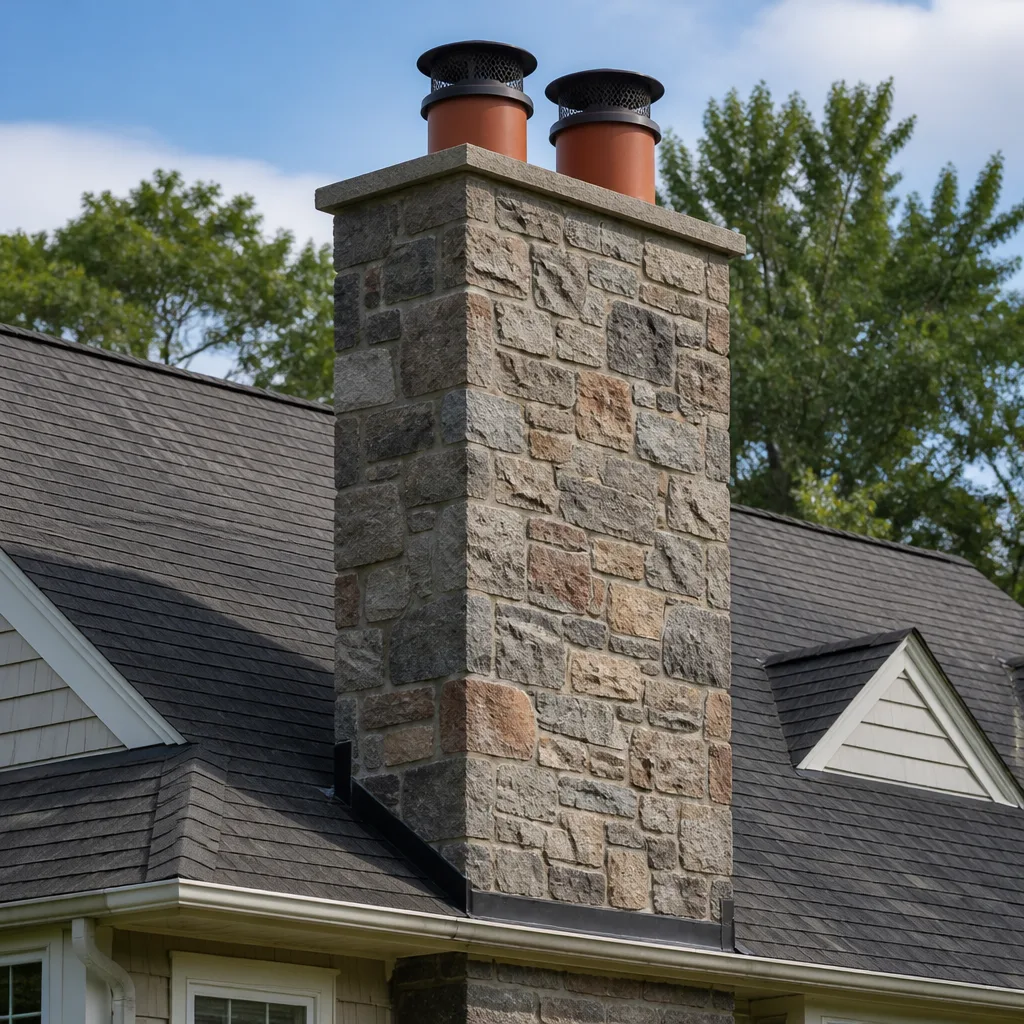 Masonry repair
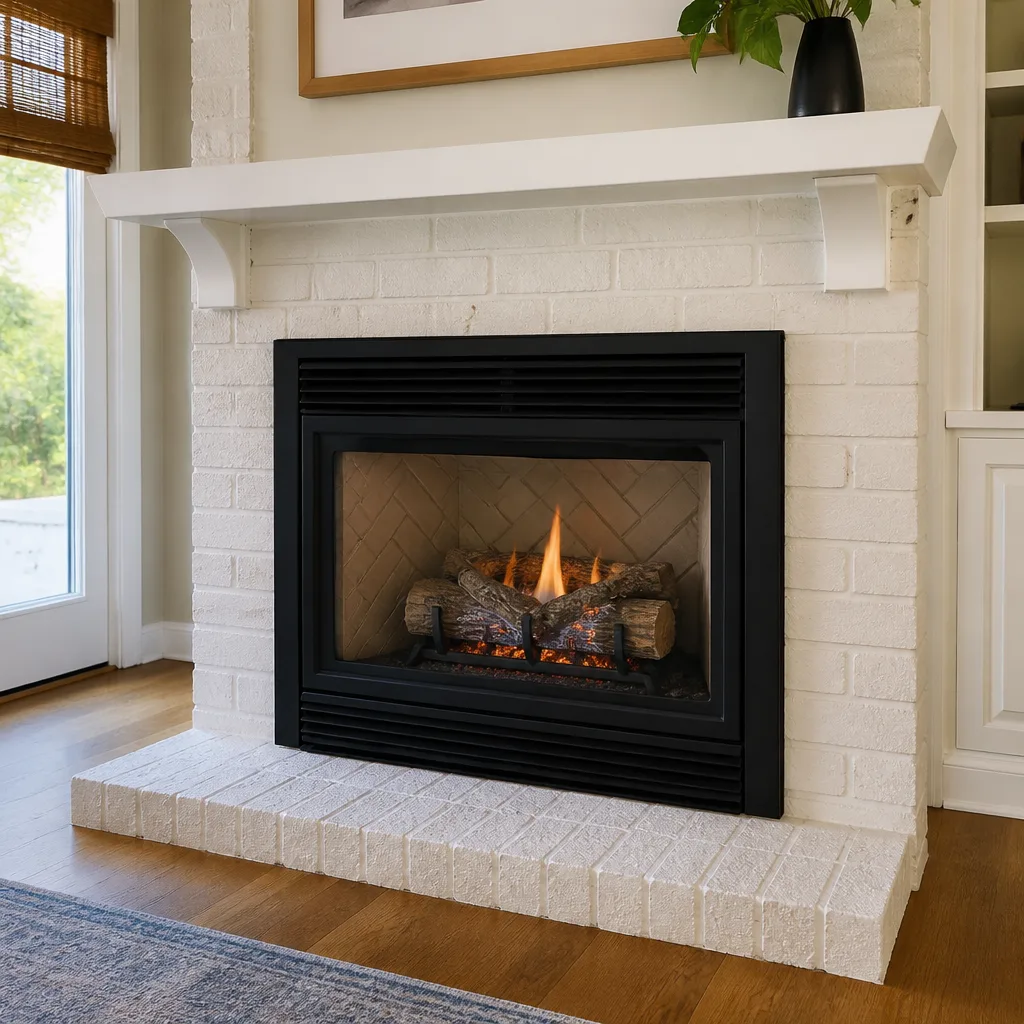 Gas fireplace service
Level 1 sweep and inspection to the NFPA 211 annual standard - flue, crown, cap, and flashing checked and photographed
Chimney sweep logs do not sweep chimneys. They loosen some creosote - which then falls where a brush and vacuum still have to collect it.
Seasonal Chimney Cleaning Care for Springfield: Year-Round Homeowner’s Guide
The best time to find out your chimney liner cracked over the winter is in April, not during the first cold snap in November when every sweep in Western Massachusetts is booked weeks out. Most homeowners treat chimney care as a single autumn errand: call someone, get it swept, light the fire. That habit leaves eight or nine months of the year unwatched, and those are the months when freeze-thaw cycles pry mortar apart and summer humidity works on a flue that’s already compromised. Springfield’s climate gives a chimney four distinct seasons of stress, and each one leaves its own signature. This guide walks through what to check in spring, what to schedule in summer, what to prepare in fall, and what to watch during the shoulder seasons when your chimney is cold but the air is damp.
Quick Answer
Chimney care in Springfield runs on a seasonal loop: inspect in spring for freeze-thaw damage from the winter just past, schedule liner repairs and waterproofing in summer when the trade is quieter, prepare the flue in early fall before burning season, and stay watchful during the damp shoulder months. A sweep and inspection each year keeps small problems from becoming winter emergencies. For wood-burning fireplaces, gas inserts, and oil furnace flues alike, the seasonal rhythm matters more than the calendar date on any single appointment.
Styles & brands we work with
- Sweep & inspection
- Caps & crowns
- Flue relining
- Masonry repair
- Gas fireplace service
Table of Contents
- Why Spring Is the Right Time to Inspect a Springfield Chimney
- What Winter Damage Looks Like in a Springfield Chimney
- Why Summer Is Liner and Waterproofing Season
- Fall Preparation for Three Different Systems
- Managing Moisture During the Shoulder Seasons
- Before the First Fire: What to Check
- Common Mistakes to Avoid
- When to Call a Professional
- Frequently Asked Questions
Why Spring Is the Right Time to Inspect a Springfield Chimney
Spring is when a chimney tells the truth about the winter it just survived. Between November and March, a masonry chimney in Springfield goes through dozens of freeze-thaw cycles. Water gets into a hairline crack or a porous mortar joint, expands as it freezes, and pushes the material a little further apart. When it thaws, the water goes deeper. Winter after winter, that cycle widens the gap. By April, the damage is visible to anyone looking closely, and it’s much cheaper to address then than after another six months of weathering.
A spring inspection should focus on four areas in particular:
- The crown. The concrete cap on top of the chimney takes the most direct weather. Look for cracks, spalling, or separation from the flue tile.
- The flashing. The metal or membrane where the chimney meets the roof is the most common source of hidden water entry. Lifted, cracked, or tarred-over flashing is a fail.
- Mortar joints. Run a finger or a key along a joint. If it crumbles easily, it’s deteriorated.
- The flue tile inside. Hairline cracks in the clay liner that were harmless in October can be open channels for water by spring. This requires a camera inspection to see properly.
We work exclusively on chimneys, so spring is when we see the clearest evidence of what a Springfield winter has done. The pattern is consistent: years where the freeze-thaw cycle has been harsh show up as a rash of cracked crowns and spalling brick across the region. Catching those in April means the repair has all summer to cure before it faces another winter. When the inspection turns up more than a sweep can fix, chimney repair is the natural next step, and it’s easier to schedule in April than it will be in November. For a full picture of what Springfield homes deal with, our Springfield page covers the local climate and housing stock in more detail.
What Winter Damage Looks Like in a Springfield Chimney
Freeze-thaw damage in a Springfield chimney follows a pattern, and once you know it, you can spot the warning signs from the ground. Water is the enemy, and every path it can take into the masonry becomes a slow, seasonal chisel when temperatures swing across the freezing point.
The crown cracks first. It’s the horizontal surface on top of the chimney, fully exposed to rain and snow, and it expands and contracts with every temperature swing. A crown that was intact in September often shows a visible split by March. Once the crown is cracked, water moves into the space between the flue tile and the outer brick. That cavity is where the real damage starts.
The flashing is next. Where the chimney passes through the roof, the metal or membrane that seals the joint has to flex with the structure. In a climate that swings from single digits to the forties within a week, that flexing works the seal loose. A flashing leak rarely announces itself. It drips down the inside of the chimney chase, stains the ceiling near the chimney, or rots the roof decking from below before anything shows up inside the firebox.
Mortar joints weather from the outside in. The lime in older mortar is sacrificial by design: it’s softer than the brick, so it absorbs the freeze-thaw stress and fails first, which is actually what you want. Repointing is the fix, and it’s much easier when the joint is still a joint rather than a gap.
On the inside, the flue tile is hidden. Clay tile is brittle, and thermal cycling plus moisture can produce hairline cracks that no amount of looking up the flue with a flashlight will reveal. This is why a camera inspection in spring earns its keep: it shows you what the winter actually did, rather than what the surface suggests. We use the same photographic evidence to explain what we find and what it means, so you’re not guessing about the condition of your own chimney.
Why Summer Is Liner and Waterproofing Season
Summer is when chimney work gets done. That’s not a marketing line, it’s logistics. The trade in Western Massachusetts gets tight in the fall, when every homeowner in the region decides simultaneously that the chimney needs attention before the first cold snap. Booking liner replacement, waterproofing, or a cap replacement in June or July means the work happens on your schedule instead of competing for a slot with everyone else’s last-minute call.
Three categories of work make the most sense to schedule in summer:
- Liner work. If spring inspection found a cracked or deteriorated flue, summer is when a liner can be installed without hurrying. Chimneys with offsets, bends, or non-standard flue paths are common in older Springfield homes, and they call for a flexible solution. We work with DuraFlex liner systems for exactly those cases, because a rigid liner can’t navigate a jog in the flue. A correctly sized flexible liner restores the flue’s containment, which is the whole point of a liner in the first place.
- Flue resurfacing. Not every cracked flue needs a full liner. When the damage is caught early and the tile is still sound, HeatShield resurfacing can restore the interior surface without the cost and disruption of relining. It’s a repair option many sweep-only companies can’t offer, and summer is the right time to find out whether your chimney is a candidate.
- Waterproofing and caps. A masonry chimney should have a cap to keep rain and animals out, and the right cap matters. We work with Gelco and Famco chimney caps, and we size them to the flue and to the local weather. Waterproofing the masonry in summer gives the coating time to cure through warm, dry weather instead of being tested immediately by fall rain.
There’s a practical benefit beyond scheduling: work done in warm, dry conditions cures properly. Mortar, sealant, and waterproofing coatings all behave better in summer than in a cold, damp shoulder season. A summer repair is also tested by a full winter before you rely on it, which means if something isn’t right, you find out with months of buffer instead of on the first cold night of the year.
Fall Preparation for Three Different Systems
Fall preparation isn’t one checklist. What your chimney needs in September depends on what’s connected to it. Wood-burning fireplaces, gas inserts, and oil furnace flues each have a different failure profile and a different set of steps before the heating season.
Wood-burning fireplace
A wood-burning fireplace needs a proper sweep before the first fire of the season. Creosote accumulates in the flue as a byproduct of burning, and its form matters: light, flaky creosote brushes out easily, while glazed creosote is harder to remove and represents a higher risk of a chimney fire. A sweep with a camera inspection confirms the flue is clear and the liner is sound before you start burning. It’s also the moment to test the damper and confirm the cap is intact.
Gas insert
Gas inserts need less frequent sweeping, but they still need an annual inspection. The venting system, the connection, and the insert’s own components are worth checking, and the flue can still accumulate debris or show signs of moisture. Fall is the right time to confirm that the flue serving the insert is clear and that the cap and flashing aren’t letting water in.
Oil furnace flue
An oil furnace flue is a different animal. The byproducts of oil combustion are corrosive, and a flue that’s been sitting unused all summer can accumulate soot and moisture. Before the heating season, the flue should be inspected and swept if needed, and the venting confirmed to be in good condition. If the flue is masonry, the condition of the interior matters more than with a wood fireplace, because the moisture from combustion is more aggressive. Get this one sorted before the furnace starts cycling, not after.
Managing Moisture During the Shoulder Seasons
The shoulder seasons, roughly late March through May and again in October, are the trickiest time for a chimney. The flue is cold, but the outside air is often damp, and that combination creates condensation on the inside surfaces of the chimney. A cold flue plus warm, humid air is essentially a moisture trap, and it’s working on your masonry and liner even when nothing is burning.
Here’s why shoulder-season condensation matters more than most homeowners expect:
- Condensation on the inside of a clay flue gets absorbed into the tile and the surrounding mortar.
- At night, temperatures often drop back below freezing, so any absorbed moisture goes through the freeze-thaw cycle again, on top of what winter already did.
- A chimney without a cap is open to rain and to animals, and a shoulder-season downpour can put a surprising amount of water into a flue that’s otherwise protected.
- If the chimney has been waterproofed on the outside but not inspected within, condensation on the inside can go unnoticed until it causes visible staining or odor.
The practical answer is a cap in good condition, sound flashing, and a flue that’s been checked from the inside with a camera. The cap keeps the rain out, but it can’t stop condensation from the air that’s already in the flue. A camera inspection in spring confirms the flue tile is intact, which means the condensation has nowhere to soak in. If the tile is cracked, the shoulder seasons are when the damage quietly progresses. Springfield sits in a humid continental climate, and the swings between warm days and cool nights in spring and fall are a real factor for any chimney that isn’t fully sealed and sound.
If you notice a musty smell near the fireplace during shoulder months, or staining on the chimney’s exterior, that’s the signal to get it checked rather than waited out. Odor is often the first sign that moisture has a foothold.
Before the First Fire: What to Check
Before you light the first fire of the season, a handful of things should be checked, and a professional sweep is the right person to do it. That said, there are some things a homeowner can verify on their own to know whether the chimney is ready or whether it needs a call.
- Is the cap in place and intact? Animal nests and debris are the most common cause of a blocked flue at the start of the season. A damaged cap is the entry point.
- Is the damper working? It should open fully and close smoothly. A stuck damper is a draft and smoke problem waiting to happen.
- Is the firebox clean? Ash and leftover debris from last season should be removed before burning.
- Is the flue clear? Only a sweep can confirm this properly, but if you can see significant soot or debris from the firebox up, that’s a clear signal it’s time.
- Is there any visible damage to the brick, mortar, or crown? A quick look from the ground will reveal a lot. Any loose or missing mortar, or a visibly cracked crown, needs professional attention before the first fire.
If any of those checks come up short, don’t light the first fire until a professional has looked. The safety stakes here are real: a blocked or compromised flue can vent carbon monoxide into the home, and a creosote-heavy flue carries genuine chimney fire risk. Neither is a scenario to gamble on because the weather’s turning. A sweep and inspection before the season is the low-cost way to confirm the chimney is ready, and it’s what we’d want for our own homes.
Pulling the first fire forward is fine. Lighting it before checking the flue is the mistake. Book the sweep or inspection, get the camera report, and then light the fire with confidence that the flue is clear and the liner is sound.
Common Mistakes to Avoid
- Waiting until November to book a sweep. Every homeowner in Western Massachusetts has the same idea in October. Book the sweep in spring or summer and you’ll avoid the scramble.
- Assuming a gas insert or oil furnace doesn’t need attention. Both venting systems need an annual inspection, even if they don’t need sweeping as often as wood. Skipping it is how moisture and venting problems go unnoticed.
- Waterproofing the exterior without checking the interior. An exterior coating helps, but it doesn’t fix a cracked flue tile. Do the camera inspection first, then waterproof.
- Using the wrong cap or letting a damaged one stay in place. A poorly fitted cap lets rain and animals in and doesn’t do the job it’s supposed to do. A properly sized cap on a springfield chimney is basic protection.
- Hiring a general handyman to handle chimney work. Chimney work is its own specialty with its own product lines. A generalist may not have the right liner, cap, or resurfacing materials, and the result can be a repair that doesn’t hold.
- Ignoring a musty smell or visible staining. These are signs of moisture intrusion, and they get worse with time. Treat them as a reason to book an inspection.
- Treating a sweep as the whole job. A clean chimney is the starting point. If the inspection finds a cracked crown, failed flashing, or a damaged liner, the sweep is only the first step.
When to Call a Professional
Call a professional when any of these apply: you haven’t had the chimney inspected in the last year, you’ve noticed creosote buildup or soot falling into the firebox, there’s a musty smell near the fireplace, you’ve seen staining on the chimney’s exterior or ceiling, the cap is missing or damaged, the crown is visibly cracked, or you’re not sure of the chimney’s condition and want the answer confirmed with a camera inspection before the heating season. Also call if you’ve moved into a Springfield home and don’t know when the chimney was last serviced.
Lockhart Chimney Sweep offers free estimates in Springfield. Call (855) 360-8122. We answer 24/7. Fast dispatch from 7am to 7pm, Sunday through Friday. We work exclusively on chimneys, we use the same product lines professional chimney installers rely on, and we’ll tell you exactly what’s inside your flue and what it means.
Frequently Asked Questions
Once a year is the standard for a chimney in active use, and it should be paired with an annual inspection. A wood-burning fireplace that sees regular winter use should be swept before each heating season. A gas insert or oil furnace flue needs an annual inspection, and sweeping depends on what the inspection finds. The right rule is to book the inspection yearly and let the findings set the sweep schedule.
Not always. A liner is needed when the flue’s containment is compromised: cracked or deteriorating tile that can’t safely vent combustion gases. When the damage is caught early, HeatShield resurfacing can restore the flue without a full relining, which is often the better option if the tile is still sound. The only way to know which one your chimney needs is a camera inspection that shows the flue’s actual condition, not a guess based on age or appearance. We’ll show you what the camera sees and explain what it means before recommending anything.
Skipping one season doesn’t automatically mean a disaster, but it removes the early-warning system. A crack that would have been a small repair in spring gets a full winter of freeze-thaw before it’s found, and a creosote buildup that would have been brushed out gets denser. The point of the seasonal loop is catching problems while they’re small. Call (855) 360-8122 for an exact quote on an inspection; estimates are free.
Summer is the best time to schedule chimney repair. The trade is quieter than the fall rush, the weather lets sealants and mortar cure properly, and the repair gets tested by a full winter before you depend on it. If spring inspection found damage, book the repair for summer rather than waiting until October.
You can, but you should verify the flue’s condition first with a camera inspection, because waterproofing the outside of a chimney with a cracked flue tile traps moisture inside rather than keeping it out. Exterior waterproofing is the last step, not the first. Get the interior checked, fix any liner or tile damage, then waterproof the masonry. It’s a sequence, and doing it in order matters.
A sweep cleans the flue; an inspection evaluates its condition. They’re different services, and a proper annual visit usually includes both. A sweep removes creosote and debris so the flue can vent properly, while an inspection uses a camera to look at the liner, the joints, the crown, and the flashing, and reports what it finds. Ask for both, and ask to see the camera footage. You should never have to take a chimney’s condition on faith.
The Bottom Line
Springfield chimneys don’t need one annual errand, they need a seasonal rhythm. Inspect in spring to catch what winter did. Schedule liner work, resurfacing, and waterproofing in summer when the trade is quieter and the weather cooperates. Get the flue sweep and inspection done in early fall before the first fire. Watch for moisture in the shoulder months, and act on the early signs instead of waiting for them to become winter problems. The payoff is simple: fewer emergency calls, smaller repairs, and a chimney that’s ready when you need it. Book early, ask what’s inside the flue, and see the camera evidence before agreeing to anything.
Lockhart Chimney Sweep handles chimney sweeping, chimney repair, and chimney inspection as a chimney-focused specialist. We work with DuraFlex, HeatShield, Gelco, Olympia Chimney, Famco, and Copperfield, and we recommend only what the inspection evidence supports. Call (855) 360-8122 for a free estimate. We answer 24/7. Fast dispatch from 7am to 7pm, Sunday through Friday.
Written by the team at Lockhart Chimney Sweep.
See the difference
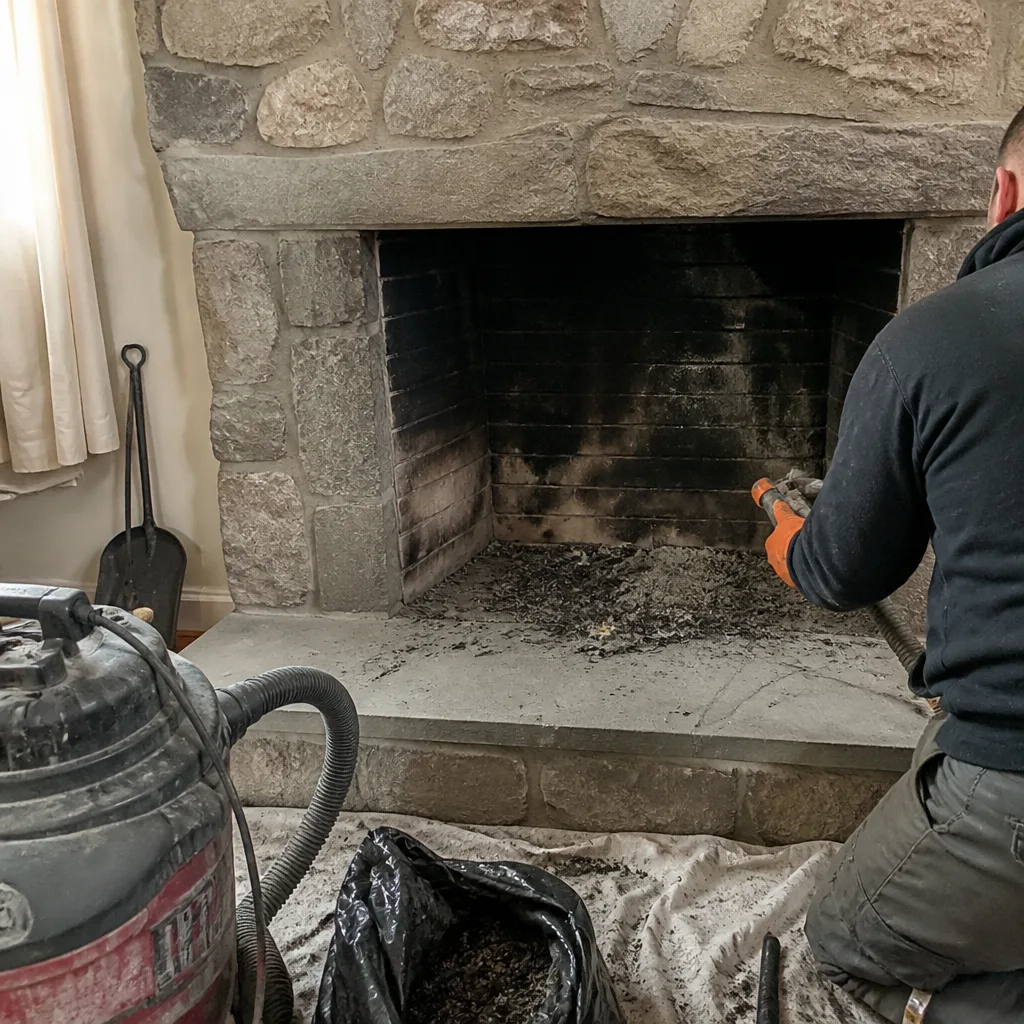 Before
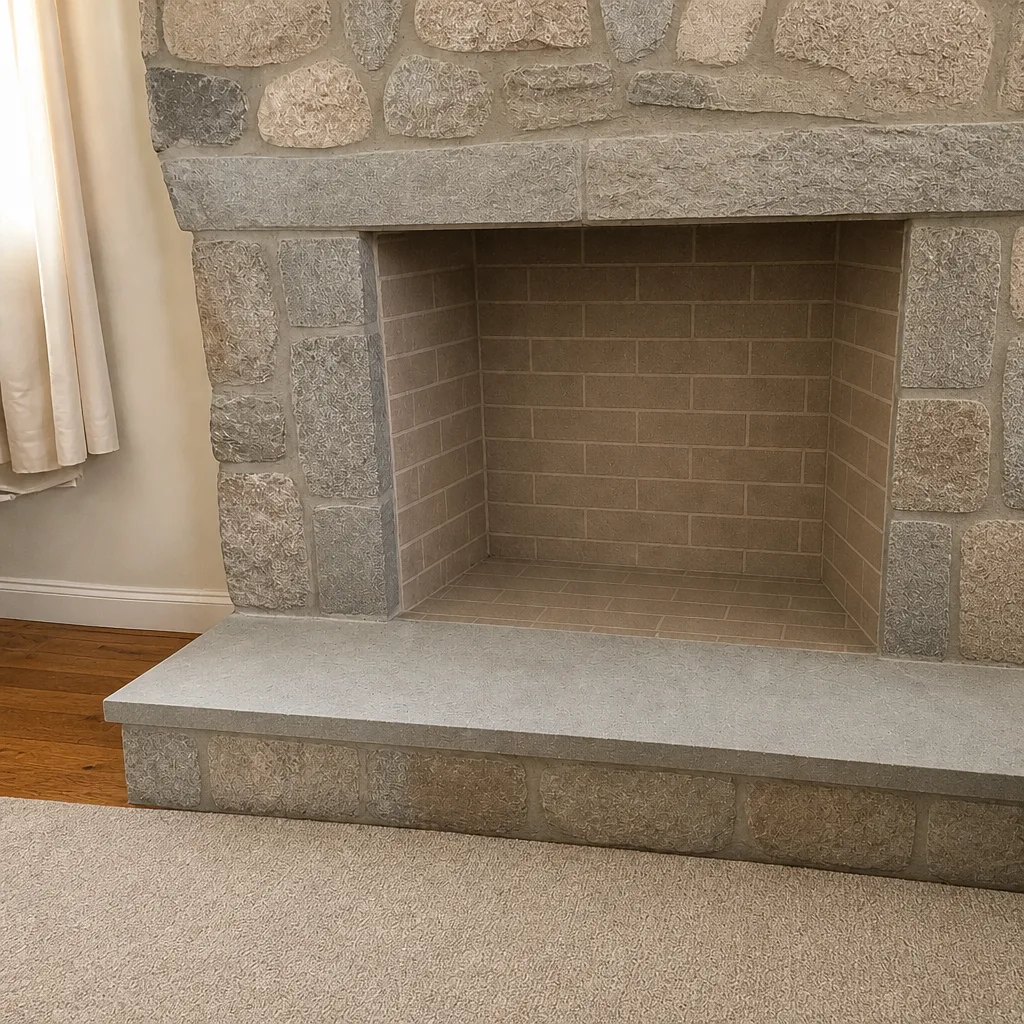 After
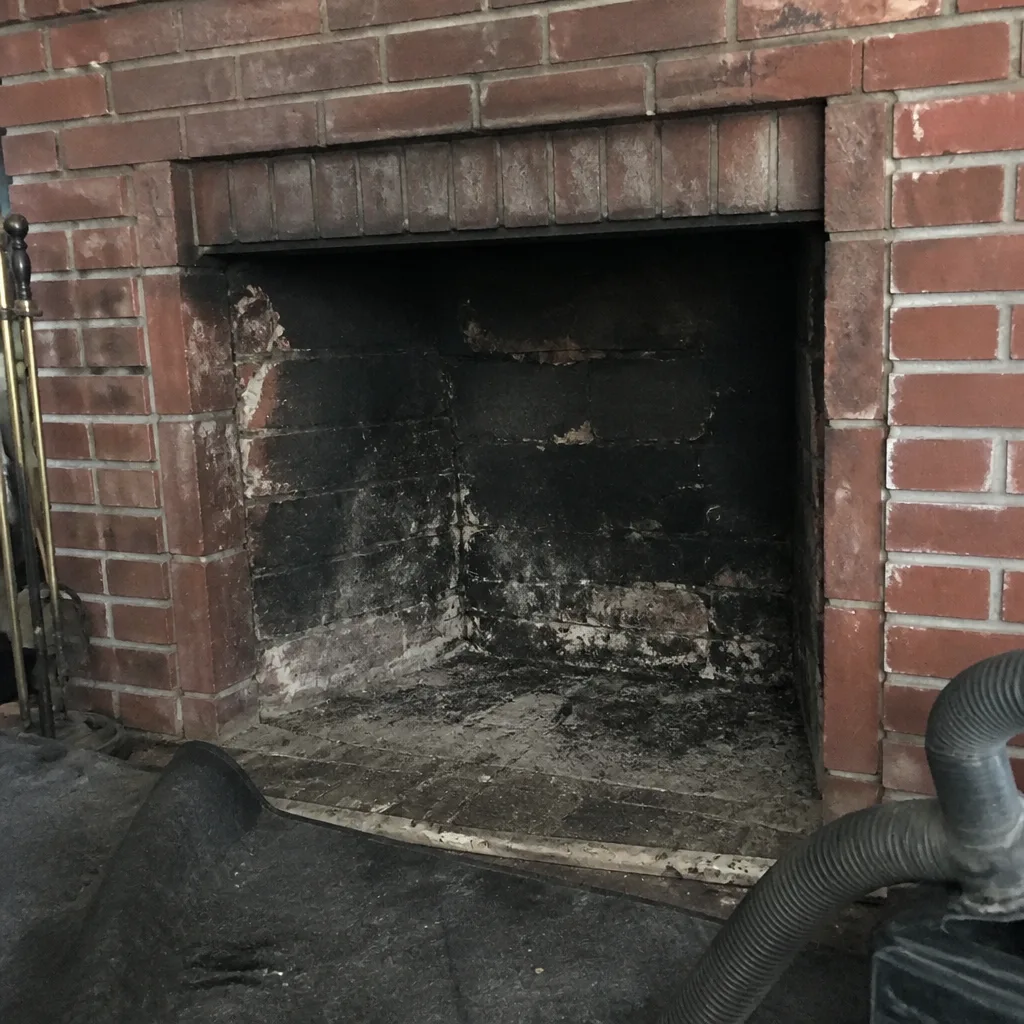 Before
 After
 Before
 After