
Last updated November 16, 2026
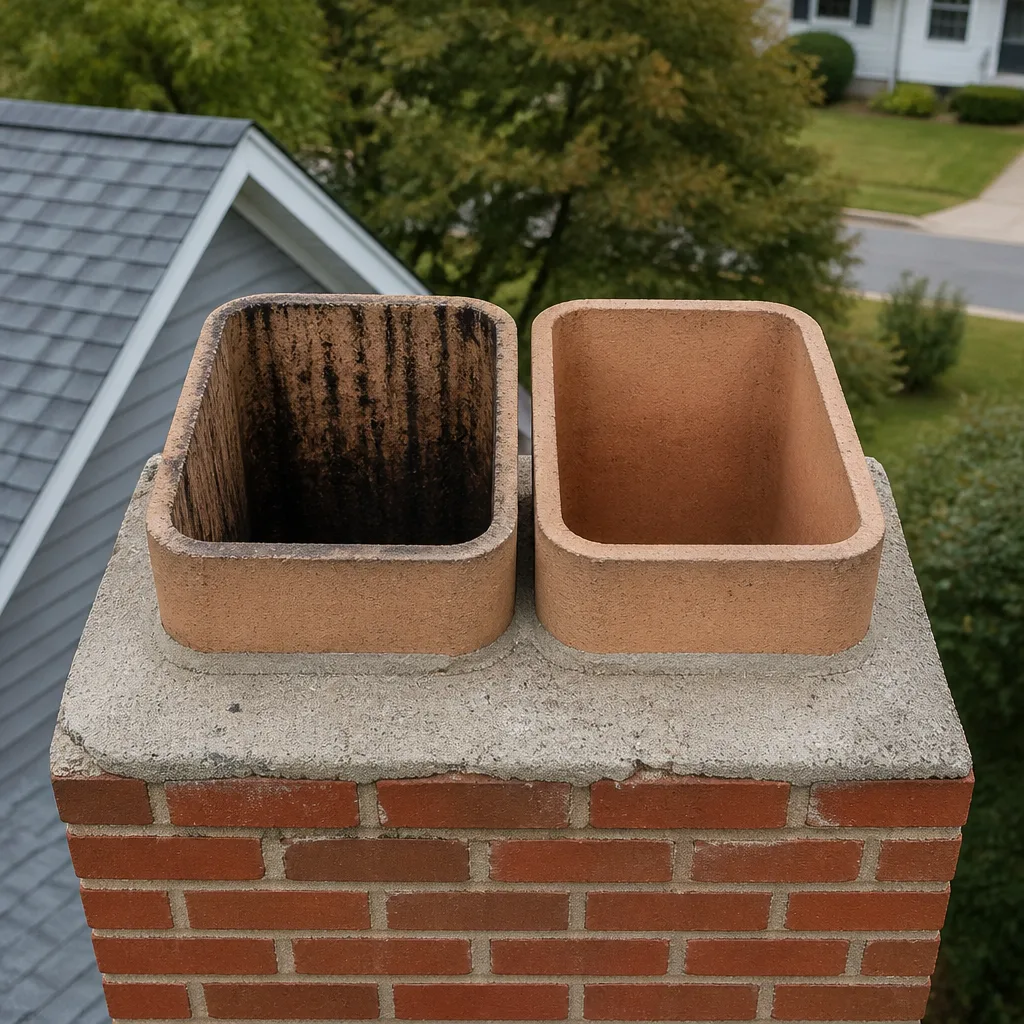 Sweep & inspection
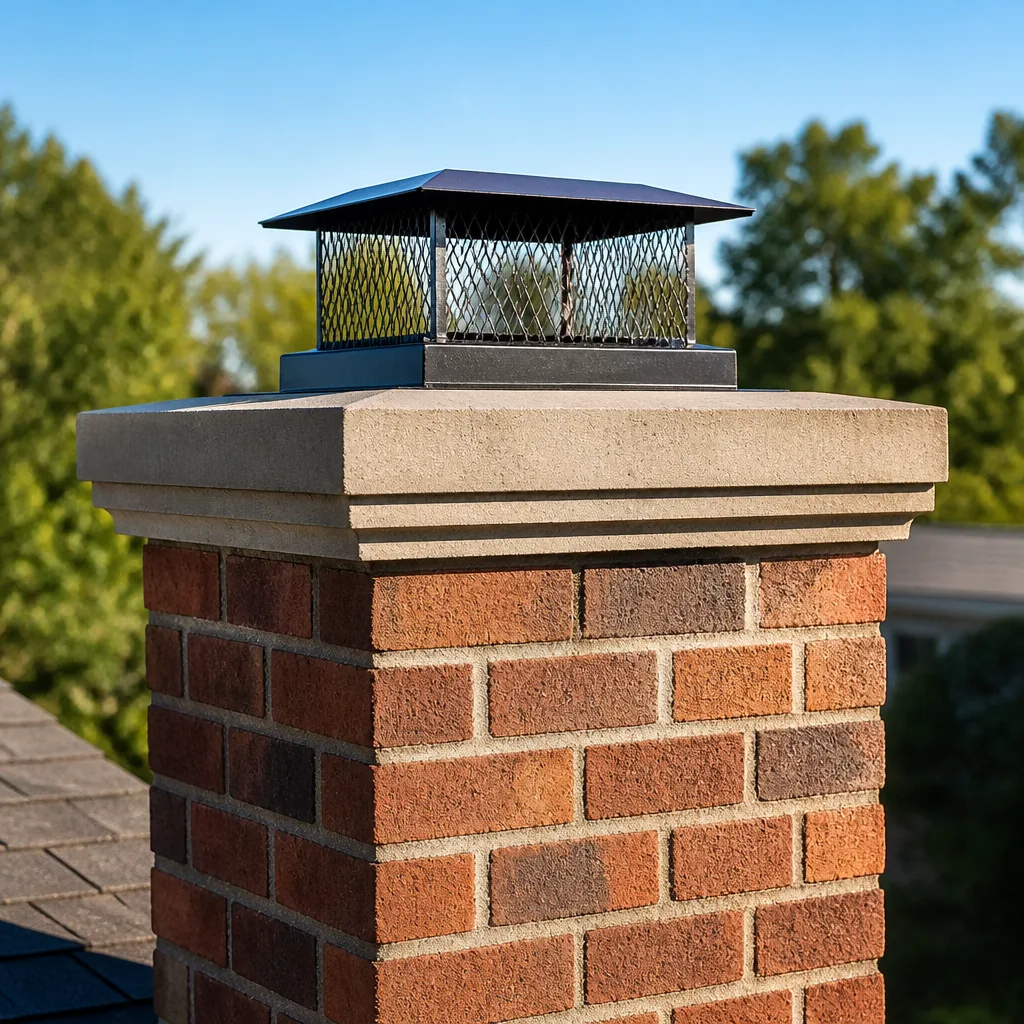 Caps & crowns
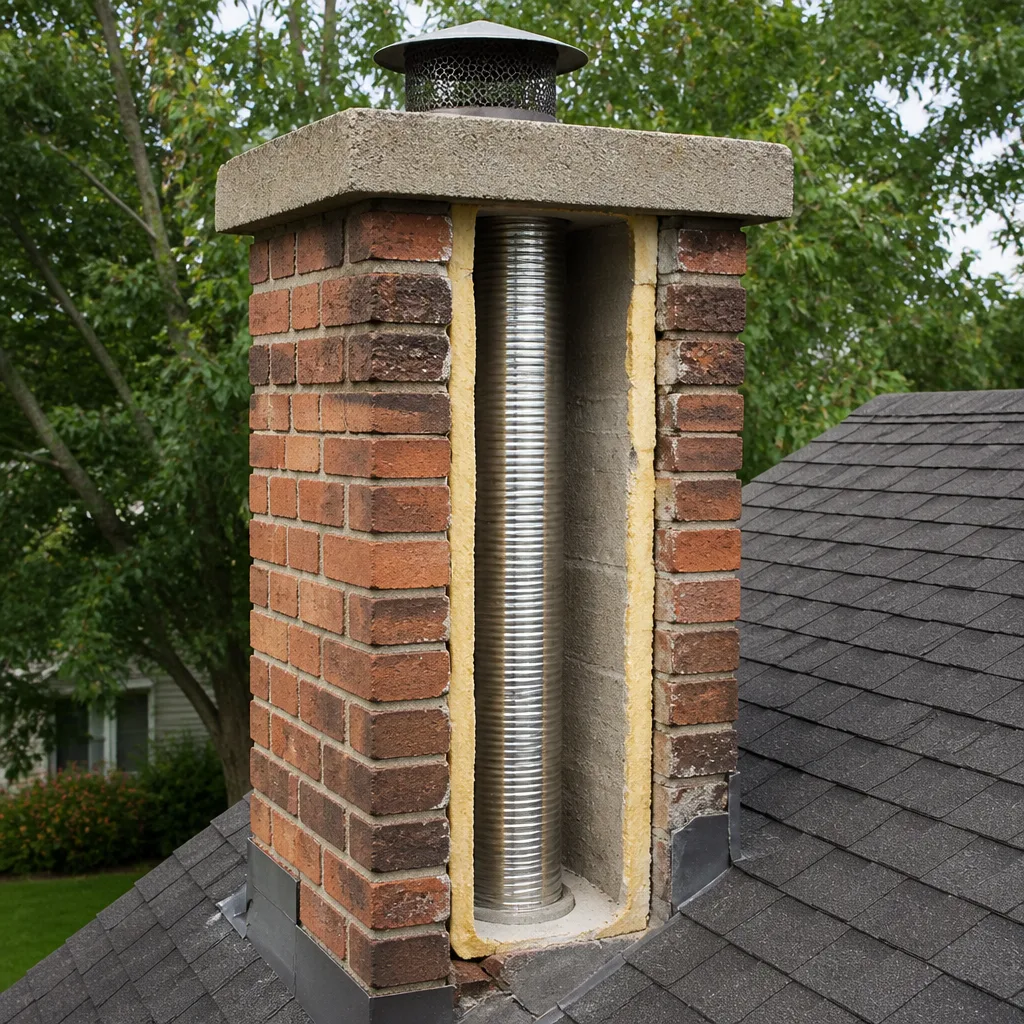 Flue relining
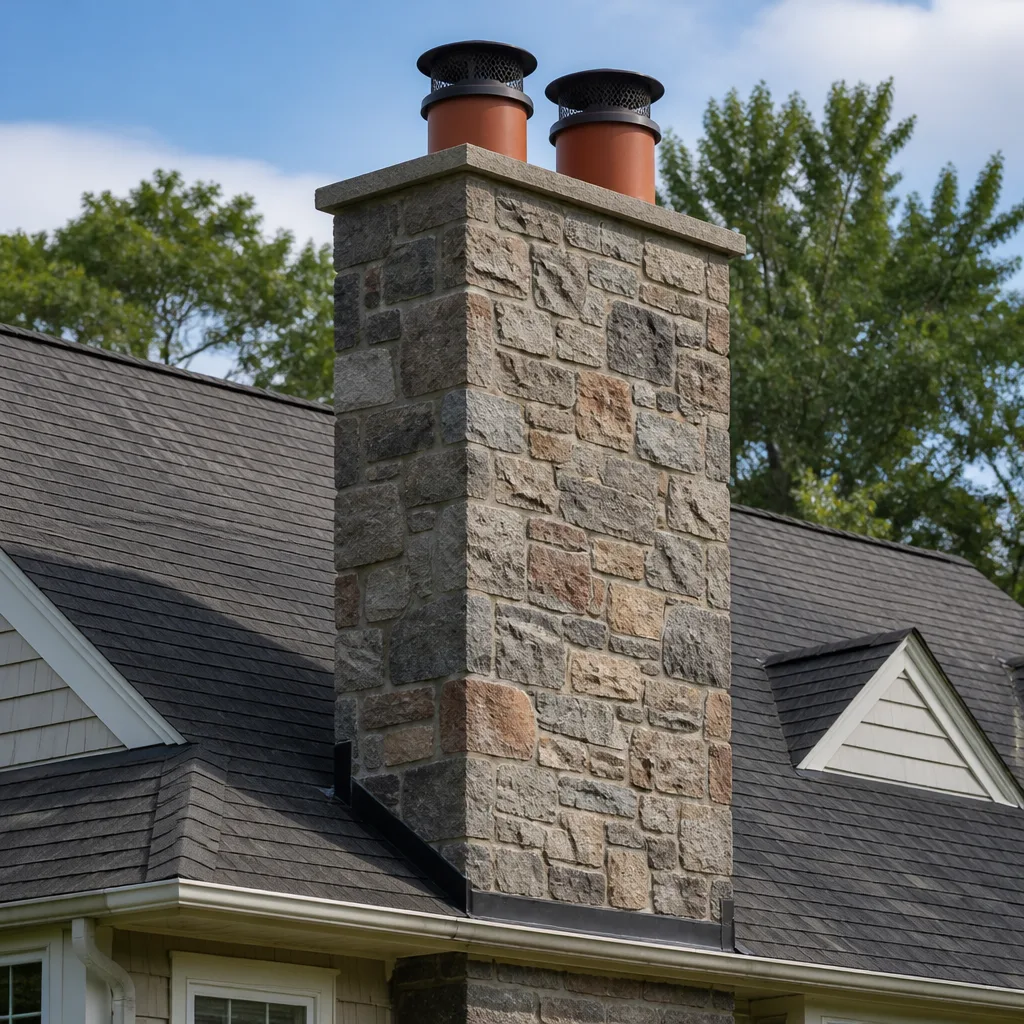 Masonry repair
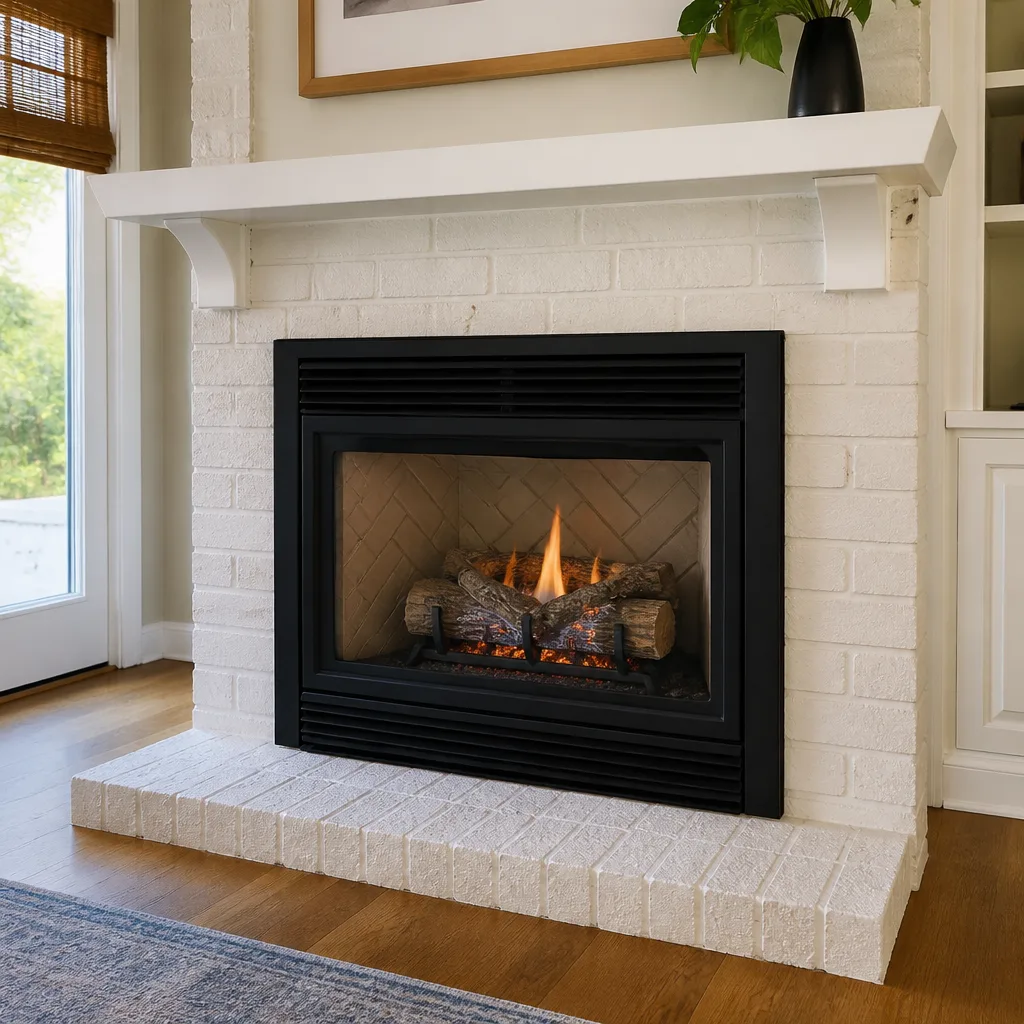 Gas fireplace service
Level 1 sweep and inspection to the NFPA 211 annual standard - flue, crown, cap, and flashing checked and photographed
Chimney sweep logs do not sweep chimneys. They loosen some creosote - which then falls where a brush and vacuum still have to collect it.
DIY vs Professional Chimney Cleaning: The Springfield Homeowner’s Decision Guide
A homeowner with a chimney brush can remove loose soot. What they can’t do is assess whether the tile liner behind that soot has a hairline crack running three feet up the flue, and that crack is what turns a cleaning problem into a fire hazard. Most chimney fires we’re called to look at start in creosote the homeowner never saw because it sat above the brush’s reach or behind an offset. This guide separates what you can safely handle between professional visits from the work that needs a rotary system, a camera, and a trained eye. If you heat with wood in Springfield, the answer matters more than the brush costs.
Quick Answer
DIY chimney cleaning can remove light, first-stage soot from an accessible straight flue, but it cannot remove hardened stage-two or glazed stage-three creosote, cannot inspect the liner from the inside, and cannot document the chimney’s condition for insurance or resale. For most Springfield homes burning wood regularly, professional cleaning and inspection is the safer and more economical choice once you factor in what a missed defect costs to repair. Professional service runs a fraction of what a liner replacement does, and it comes with a camera report you can actually read.
Styles & brands we work with
- Sweep & inspection
- Caps & crowns
- Flue relining
- Masonry repair
- Gas fireplace service
Table of Contents
- What DIY chimney cleaning can and cannot do
- The three stages of creosote and why they matter
- What a camera reveals that a brush never will
- Legitimate between-service maintenance you can do
- Liability and insurance when you self-certify
- Running the math for your Springfield home
- Common mistakes to avoid
- When to call a professional
- Frequently asked questions
What DIY Chimney Cleaning Can and Cannot Do
Consumer-grade chimney brushes sold at hardware stores are built for one job: knocking loose, powdery soot off flue walls in a straight run. On a simple masonry chimney with an unobstructed flue, a careful homeowner with the right brush diameter, a proper rod set, and good drop cloths can remove surface soot. That’s the honest limit. It is real work, it has value, and we won’t pretend it’s useless.
What the same brush cannot do is the part that protects your house. Professional rotary systems use spinning poly or wire heads on flexible rods that follow bends, offsets, and the transition into the smoke chamber. A hand brush pushed straight up a flue with a 30-degree offset stops short of the far side. The creosote that builds in that blind spot stays put, cycle after cycle, until it’s thick enough to sustain combustion. Springfield’s older housing stock includes plenty of chimneys with offsets and original tile liners, and those are exactly the flues where a hand brush leaves work behind.
Where the consumer brush falls short
- Offsets and bends: a straight rod can’t follow a jog in the flue, so the far wall goes uncleaned.
- Smoke chamber and damper shelf: the shelf above the damper collects creosote that most DIY brushes never reach.
- Hardened deposits: stage-two creosote is tar-like and bonded to the tile. Brushing it lightly can polish it rather than remove it.
- Inspection: no consumer brush tells you the condition of the tile, the crown, or the cap screen.
- Documentation: a homeowner has no camera footage and no written report to show anyone.
The gap between those two lists is what this guide is about. When we talk about a professional chimney sweep, we mean the rotary cleaning plus the visual and camera inspection that comes with it, not just a brush on a rod.
The Three Stages of Creosote and Why They Matter
Creosote forms when wood smoke cools against the flue walls and condenses. How it forms determines how dangerous it is and how hard it is to remove. Understanding the three stages is the single most useful thing a homeowner can know about their chimney.
Stage one: soot and flaky creosote
This is the powdery, flaky, dark dust that builds up with regular burning. Stage-one creosote is what a brush is designed to remove. It’s the least dangerous stage and the easiest to clear. If your chimney only ever accumulates stage one, you’re burning reasonably well and sweeping on schedule.
Stage two: hardened, tar-like deposits
Stage-two creosote is bonded to the flue surface and has a shiny, crusted or tar-like appearance. A hand brush will not lift it reliably. Rotary cleaning with the right head will, and in heavier cases the flue needs chemical treatment before mechanical removal. This is the stage where DIY cleaning stops being cleaning and starts being a false sense of security. The homeowner sees fewer flakes falling and assumes the flue is clean, when the bonded layer is still there.
Stage three: glazed, fuel-rich deposits
Stage-three creosote is the glazed, hard, fuel-rich coating that forms when a fire is repeatedly starved of air or burns unseasoned wood. It is highly combustible and it is the material most associated with chimney fires. Stage three does not come off with a consumer brush at all. It needs professional mechanical removal, and in severe cases the flue lining itself is compromised and needs repair or relining. If you suspect stage three, stop burning and get it looked at.
A clean chimney is the starting point. We’ll tell you if it needs to be more than that. Our technicians have up to 9 years of experience reading exactly these conditions, and we call them the way we see them, not the way that sells the biggest job.
What a Camera Reveals That a Brush Never Will
An inspection camera changes the conversation because it shows you what’s actually inside the flue. A brush cleans the part it can reach. A camera documents the condition of the whole system, and the difference between those two things is where most expensive surprises hide.
What the camera finds
- Hairline cracks in tile: a crack the width of a hair lets heat and carbon monoxide reach the surrounding masonry and framing.
- Missing or spalled mortar joints: gaps between flue tiles that open as the chimney moves and ages.
- Animal intrusions: nests, droppings, and carcasses in the flue or on the smoke shelf, common in Springfield chimneys that sit unused from spring through fall.
- Improper prior repairs: liners installed without proper support, caps installed wrong, or a flue that was relined but never sized for the appliance.
- Crown and flashing problems: water entry that rots the smoke chamber from the top down.
Why this matters more in New England
Springfield’s freeze-thaw winters work on masonry. Water gets into small cracks, freezes, expands, and widens them season after season. A hairline crack you’d never notice from the firebox becomes a real gap after a few winters. That’s the argument for annual inspection in this climate: not that your chimney is worse than anyone else’s, but that the weather here gives small defects a running start. A camera catches them while they’re still a chimney repair and not a rebuild.
This is the part DIY can’t replicate, and it’s why we treat inspection and cleaning as one visit rather than two separate services.
Legitimate Between-Service Maintenance You Can Do
Professional cleaning once a year doesn’t mean you do nothing in between. There’s real, safe maintenance a homeowner should handle, and doing it well extends the life of the chimney and makes each professional visit more productive.
Safe homeowner maintenance, step by step
- Burn seasoned wood. Wood with high moisture content smokes more and deposits more creosote. Split, stack, and cover it so it dries before you burn it. This is the highest-leverage thing you can do for your chimney.
- Don’t smolder fires. Damping a fire down to stretch the burn starves it of air and pushes creosote formation toward the harder stages. A hot, clean fire is a cleaner chimney.
- Check the cap and screen. From the ground, confirm the cap is intact and the screen isn’t clogged with leaves or bird debris. A clogged screen blocks draft and drives smoke back into the room.
- Keep the firebox clean of excess ash and never store combustible material near the hearth.
- Look up the flue with a flashlight before the first fire of the season. You can see obvious blockages or heavy deposits. What you can’t see is what the camera is for, so use this as a quick sanity check, not an inspection.
- Note any changes. New smoke smell in the room, weaker draft, or a fire that’s harder to start all point to a problem worth mentioning before the next scheduled visit.
None of this voids an inspection or a certificate. In fact, a homeowner who burns well and checks the cap gives the technician a better baseline to work from.
What not to do between visits
Don’t run a brush up a flue you haven’t inspected and assume the result is a clean chimney. Don’t use chemical creosote “sweeps” as a substitute for mechanical removal, because they loosen deposits without confirming they’ve left. And don’t burn a hot “cleaning fire” to burn off creosote. That’s a good way to ignite stage-three deposits.
Liability and Insurance When You Self-Certify
Here’s the part most DIY guides skip. If you clean your own chimney and something goes wrong, you’re the one who certified it was safe. That matters in ways that aren’t obvious until you’re filing a claim.
What your insurer will ask after a chimney fire
- When was the chimney last cleaned?
- Who cleaned it, and is there documentation?
- Was the chimney inspected, and is there a written report?
- Was the liner in serviceable condition at the time?
A homeowner with a brush and good intentions can answer the first question and struggle with the rest. A professional sweep provides a dated report and camera evidence of the chimney’s condition at the time of service. That’s the difference between “I cleaned it” and “here’s documentation that it was clean and the liner was sound.” We can work with your insurer if a claim arises, and the report is what makes that possible.
We’re not telling you self-cleaning is automatically a coverage problem. We’re telling you that when a claim is on the line, proof beats memory. If your chimney serves a wood stove, an insert, or a fireplace you use as a primary heat source, the case for documented professional service gets stronger, not weaker.
Running the Math for Your Springfield Home
Whether professional service is worth the cost depends on three things: how often you burn, what you burn, and how old your chimney is. Here’s how to think through each.
How often you burn
Occasional fires on cold evenings, a handful a season, put you on the low end. A fireplace used as real supplemental heat through a Springfield winter puts you on the high end and usually calls for annual cleaning. If you burn most days from November through March, annual professional cleaning isn’t optional; it’s maintenance.
What you burn
Seasoned hardwood burns cleaner than softwood or unseasoned wood. A gas insert produces different deposits than wood and has its own inspection needs. If you’ve switched fuels, tell the technician, because the appliance and venting determine what the cleaning and inspection should cover.
How old your chimney is
Older masonry chimneys with original tile liners are the ones most likely to hide cracked tiles and mortar gaps. Newer chimneys with modern liners are more forgiving. The older the flue, the more the camera inspection earns its keep, and the more a small repair now prevents a large one later.
When the math favors professional service
- You burn wood most days through the heating season.
- You’ve let two or more seasons go by without a cleaning.
- You’ve noticed a stronger smoke smell, weaker draft, or smoke backing into the room.
- Your chimney has an offset, a non-standard flue, or is part of an older masonry structure.
- You’ve had a chimney fire, even a small one, or suspect you have.
- You’re buying or selling a home and need documented condition.
When any of those apply, professional cleaning is the economical path. The cost of a sweep and inspection is small next to what a relining or rebuild runs, and the inspection is what tells you which of the two you actually need.
Common Mistakes to Avoid
- Assuming a clean-looking firebox means a clean flue. The firebox is the part you can see. The deposits that cause fires sit above the damper, out of sight. Sweep the whole flue, not the surface you can reach.
- Using the wrong brush diameter. An undersized brush skips the walls; an oversized one can crack tile. Match the brush to the flue, and when in doubt, don’t force it.
- Cleaning a flue you haven’t inspected. Running a brush blind in a chimney with a damaged liner can dislodge debris that creates a blockage. Inspect first, then clean.
- Treating chemical creosote removers as a substitute for mechanical cleaning. They loosen deposits; they don’t confirm the flue is clear. Confirm with a camera, not a hope.
- Burning a hot fire to “clean” the chimney. That’s how stage-three deposits ignite. Never use fire to burn off creosote.
- Ignoring the cap after a Springfield fall. Leaves and animal debris clog screens quickly when trees shed and wildlife seeks warmth. Check the cap before the season, not after.
- Skipping the inspection because the sweep was easy. An easy sweep tells you the flue was dirty. It doesn’t tell you whether the liner behind it is sound.
When to Call a Professional
Call a professional when you can’t see what’s behind the soot. That includes any chimney with a known offset or non-standard flue path, any flue that’s gone two or more seasons without documented cleaning, and any chimney serving a wood stove or insert. It includes chimneys with a strong creosote smell, visible glazing on the flue walls, weakened draft, or smoke backing into the room. It includes older masonry chimneys with original tiles, where freeze-thaw winters do their slow work. And it includes the simple case where you want a camera report you can show your insurer or a buyer.
Lockhart Chimney Sweep offers free estimates in Springfield: call (855) 360-8122. We answer 24/7, with fast dispatch from 7am to 7pm, Sunday through Friday. We work exclusively on chimneys, so the recommendation you get is a chimney recommendation, not a generalist’s best guess. If it can wait, we’ll say so.
Frequently Asked Questions
You can remove loose stage-one soot from an accessible straight flue with a consumer brush, but you can’t remove hardened stage-two or glazed stage-three creosote, and you can’t inspect the liner. Most homeowners who clean their own chimney end up with a flue that looks clean at the firebox but still holds bonded deposits higher up. If you want the job to actually be clean, you need rotary equipment and a camera. Call (855) 360-8122 for an exact quote; estimates are free.
Self-cleaning doesn’t automatically void coverage, but it can weaken your position if a chimney fire leads to a claim, because you’ll have no documentation of the chimney’s condition at the time. Insurers routinely ask when the chimney was last cleaned, by whom, and whether it was inspected. A dated professional report answers all three. If you heat with wood as a primary source, that documentation matters more. Call (855) 360-8122 to schedule a documented cleaning and inspection.
Most wood-burning chimneys should be cleaned and inspected annually, and chimneys used as a primary heat source through the winter often need it more often than that. A gas insert has different venting and inspection needs but still deserves an annual check. The right interval depends on how much you burn and what you burn, which is why the inspection drives the schedule rather than a fixed number. Call (855) 360-8122 and we’ll help you set a realistic one.
Creosote accumulates faster than most people expect, and the deposits progress from powdery stage one toward hardened and glazed stages that are far more combustible. The risk is a chimney fire that damages the liner and can spread beyond it. Skipping also lets small liner cracks go unnoticed through multiple freeze-thaw cycles, so what would have been a resurfacing job becomes a relining job. A sweep and inspection is far cheaper than either. Call (855) 360-8122 for a free estimate.
Yes. Burn seasoned wood, avoid smoldering fires, check the cap and screen before the season, keep the firebox clear, and check the flue with a flashlight before the first fire. Those steps reduce creosote formation and catch obvious blockages, and they don’t void any inspection or certificate. What they don’t replace is the camera inspection and the mechanical removal of hardened deposits. Call (855) 360-8122 when it’s time for the professional visit.
A sweep-only company can clean a flue but may not be able to repair it, so a problem it finds becomes someone else’s job and a second appointment for you. We handle sweeping, inspection, and repair together, and we work with professional-grade product lines including DuraFlex flexible liner systems for complex or offset flues, HeatShield for resurfacing deteriorated tile without full relining, and Famco caps. That means when the camera finds a problem, we can tell you what it takes to fix it without sending you to find another contractor. Call (855) 360-8122 for a free estimate in Springfield.
The Bottom Line
DIY chimney cleaning has a real place: it can handle surface soot on a simple flue, and the between-service habits that keep creosote down are genuinely yours to own. But the failure mode is specific and serious. A brush cleans what it can reach, leaves the bonded deposits and the hidden liner cracks, and gives you confidence you haven’t earned. For Springfield homes that burn wood regularly, the professional sweep and camera inspection are the part that actually protects the house, and the report is the part that protects you if anything goes wrong. If you’re not sure which side of the line your chimney falls on, that’s the moment to ask. Call (855) 360-8122. We answer 24/7, with fast dispatch from 7am to 7pm, Sunday through Friday. Estimates are free, and we’ll tell you plainly when the work can wait.
Written by the team at Lockhart Chimney Sweep.
See the difference
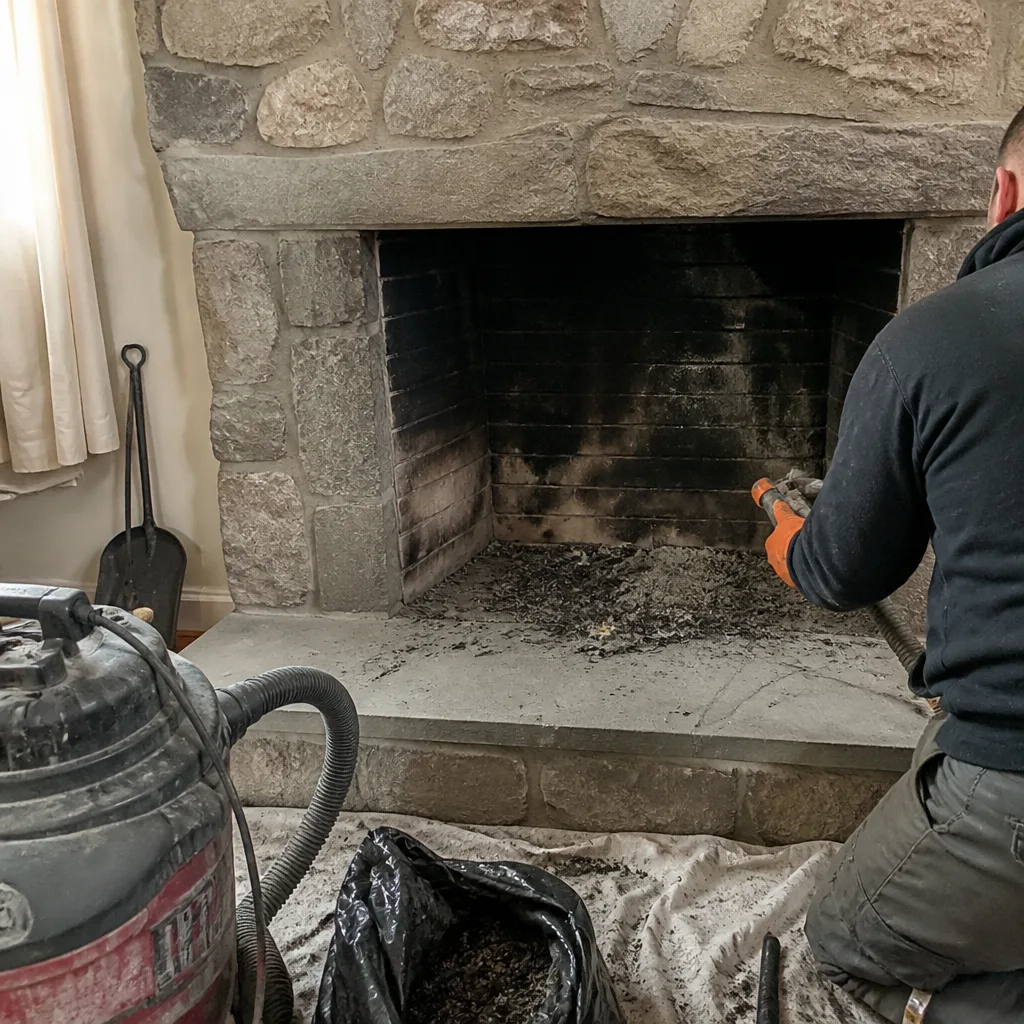 Before
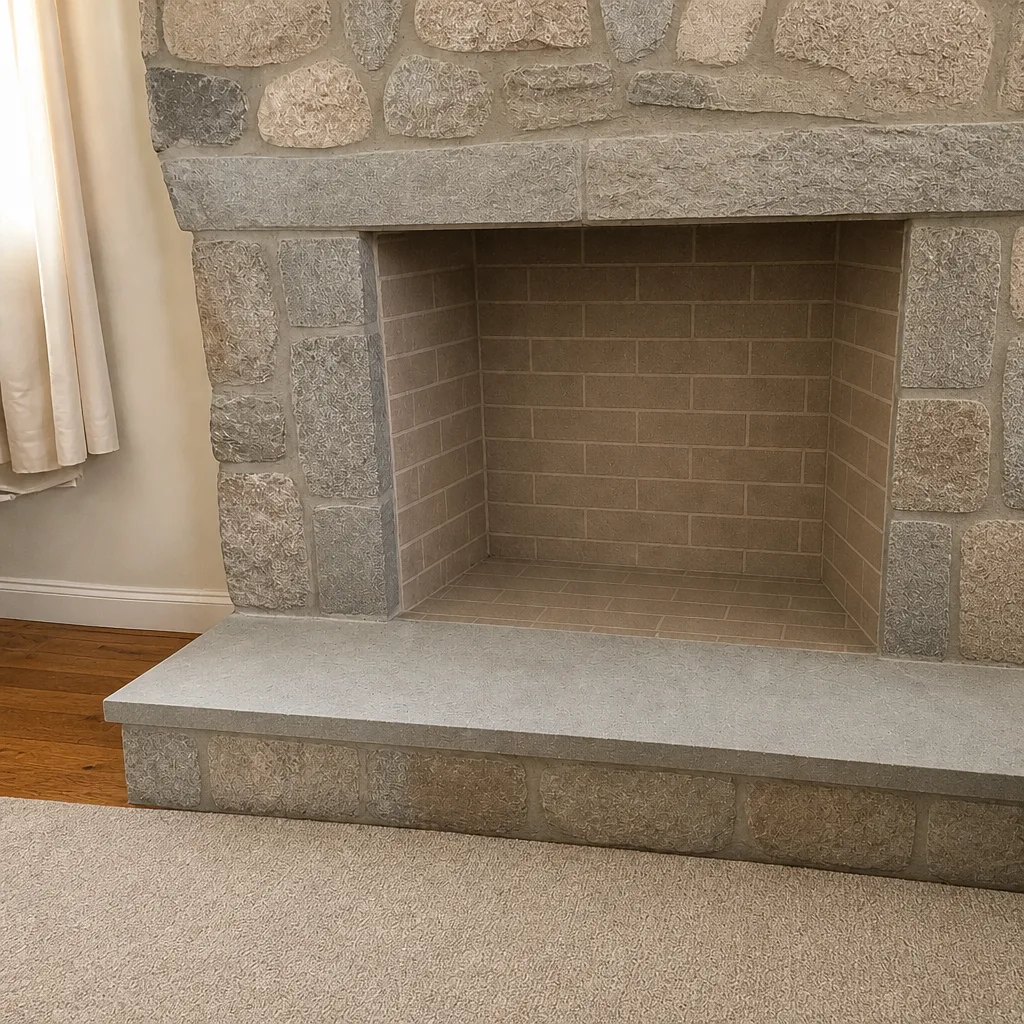 After
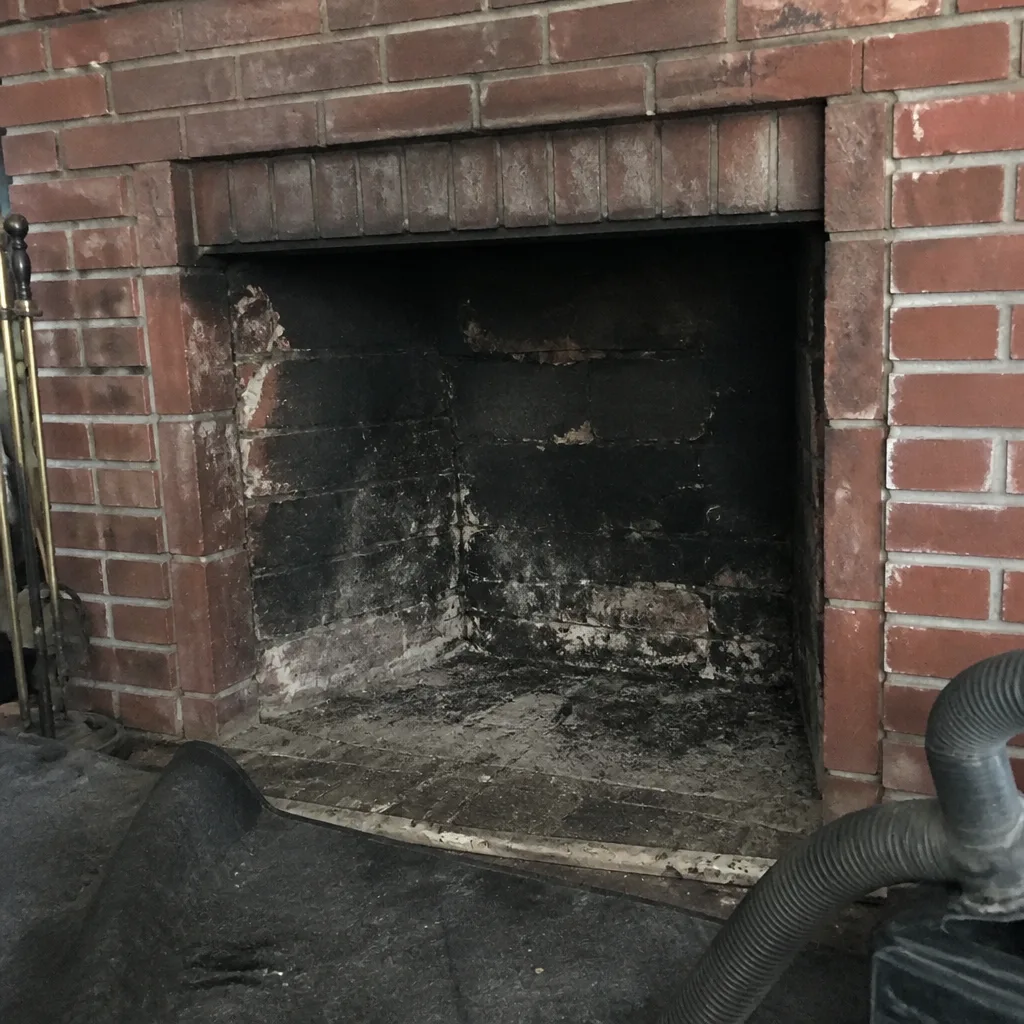 Before
 After
 Before
 After