
Last updated November 16, 2026
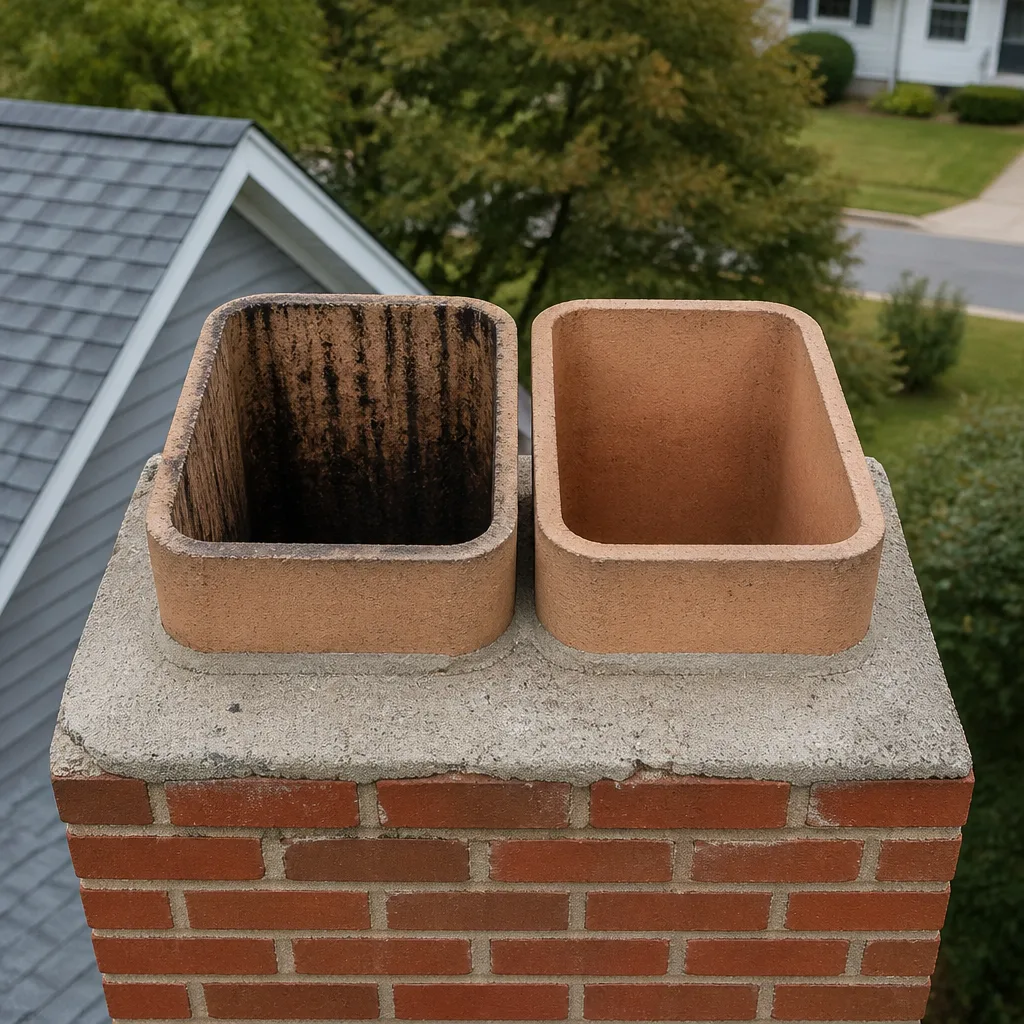 Sweep & inspection
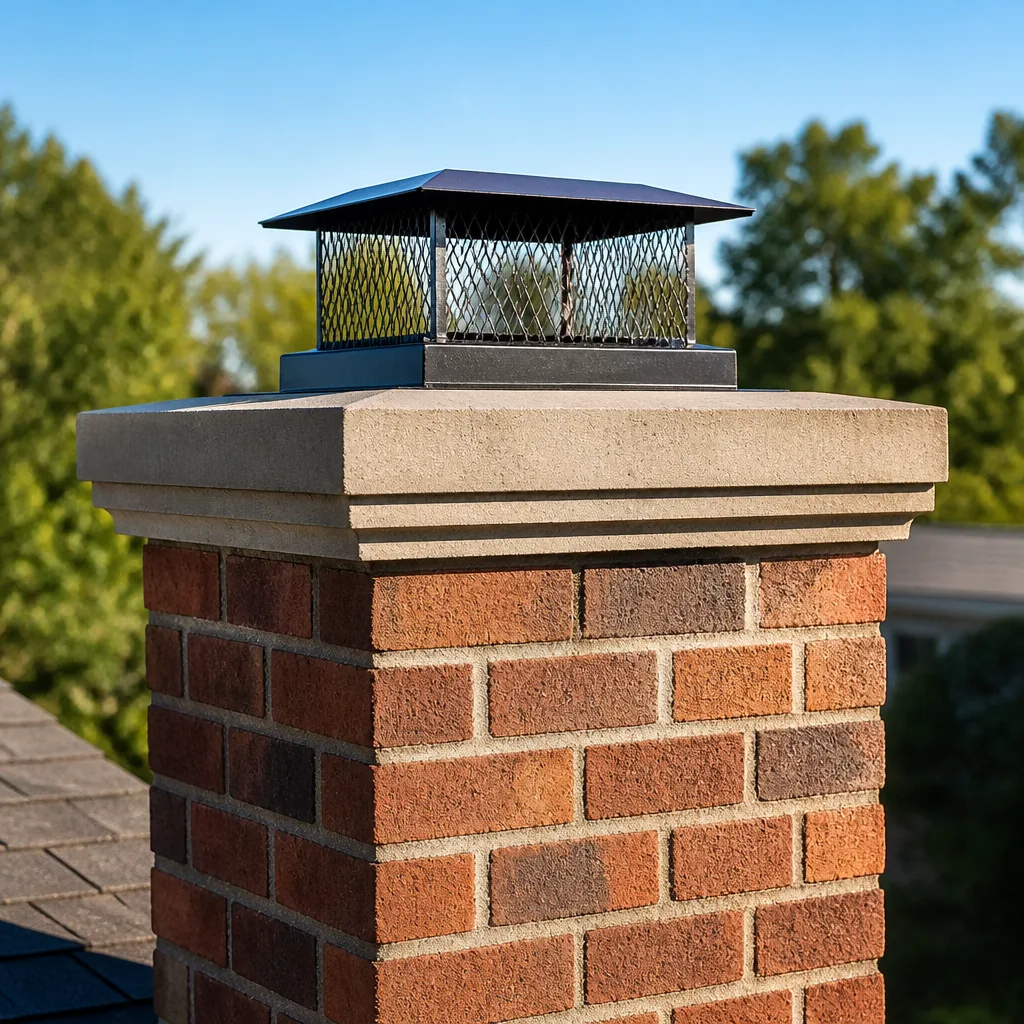 Caps & crowns
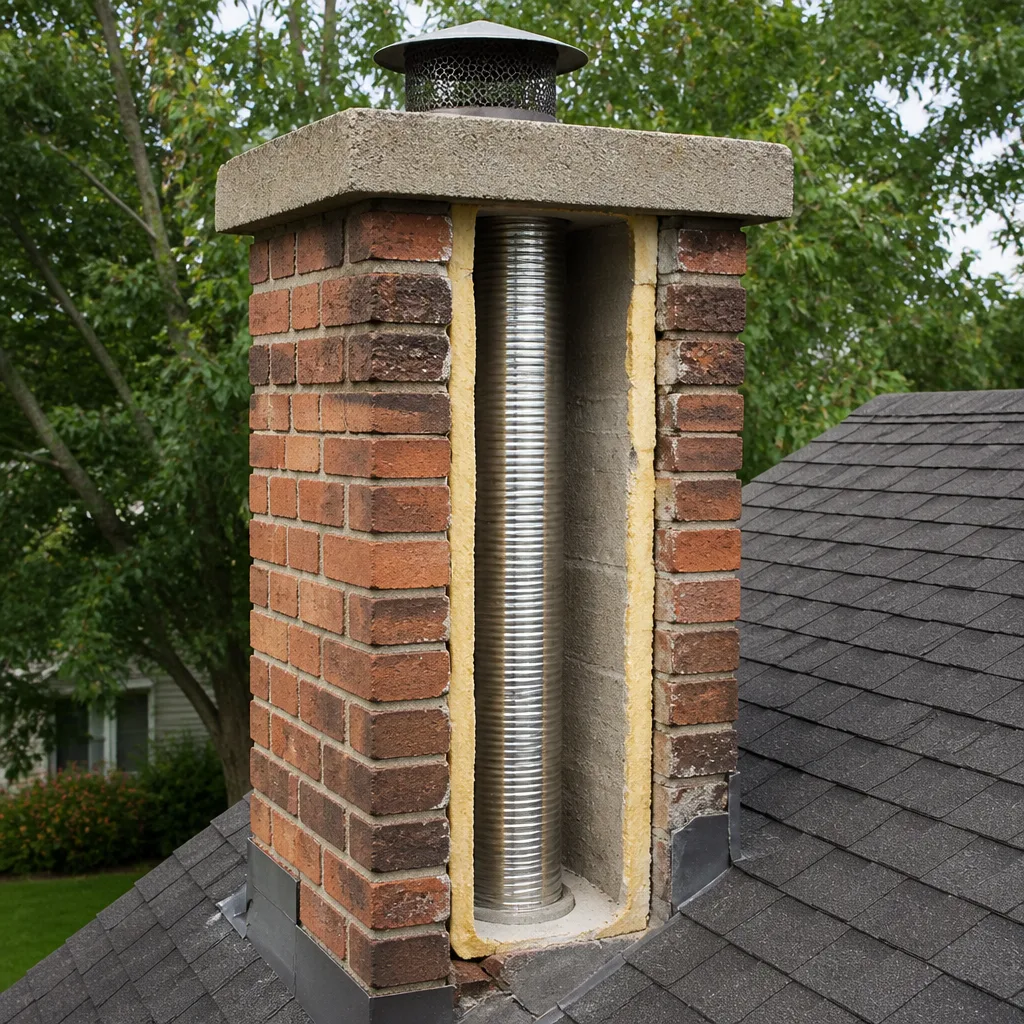 Flue relining
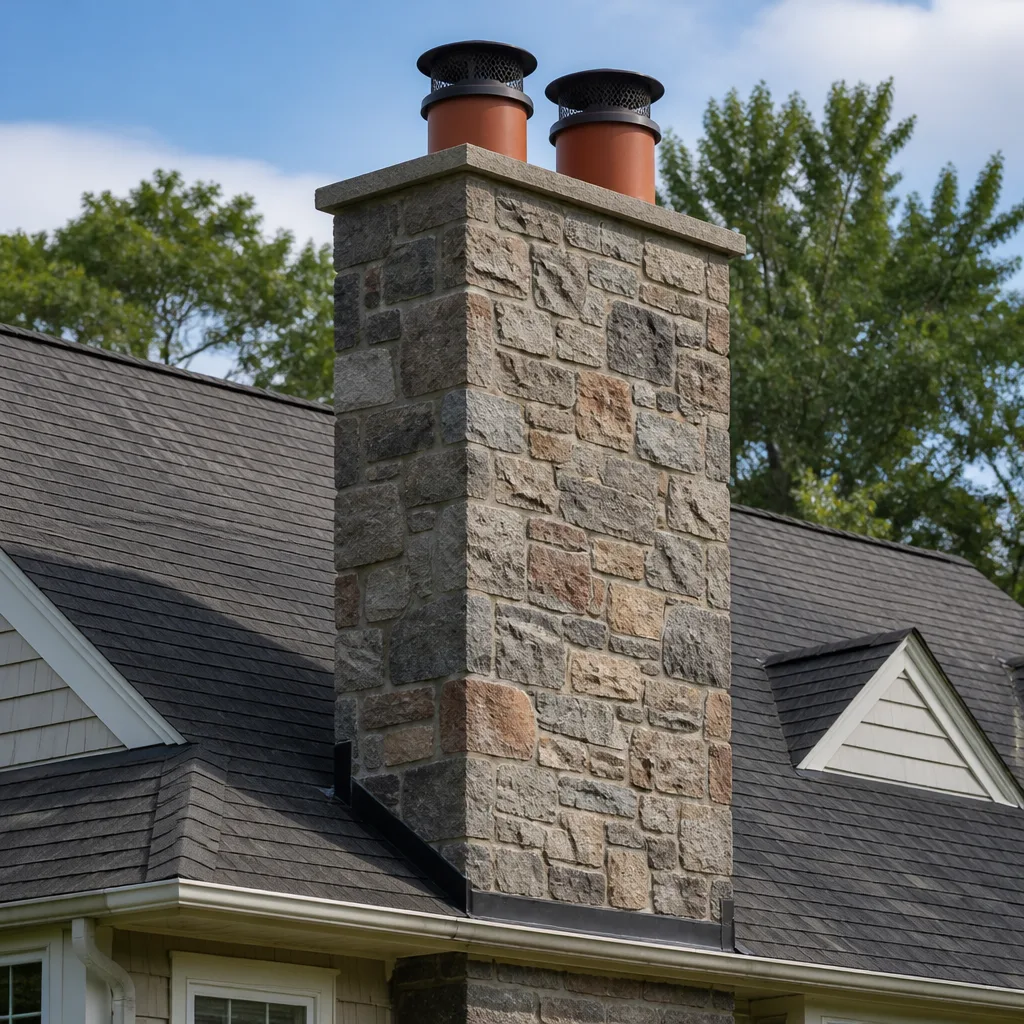 Masonry repair
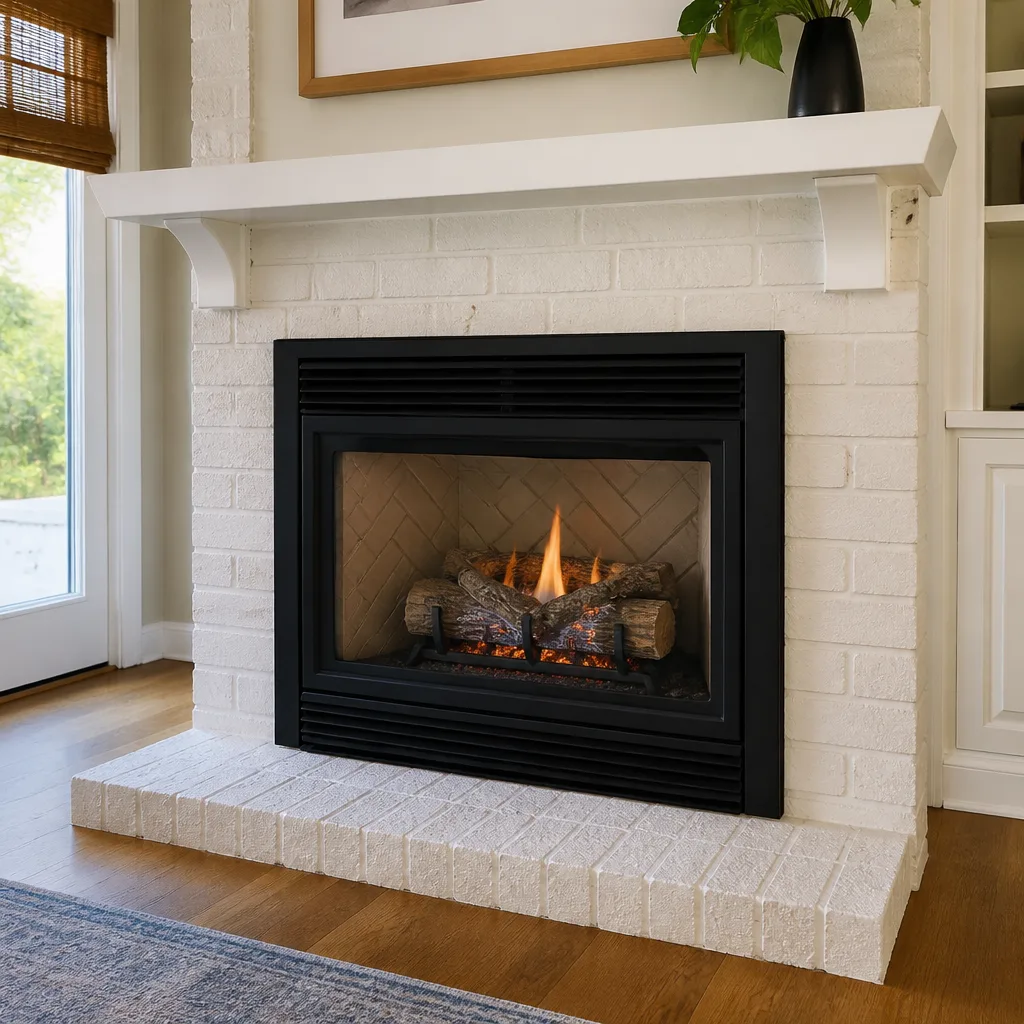 Gas fireplace service
Level 1 sweep and inspection to the NFPA 211 annual standard - flue, crown, cap, and flashing checked and photographed
Chimney sweep logs do not sweep chimneys. They loosen some creosote - which then falls where a brush and vacuum still have to collect it.
The Complete Guide to Chimney Cleaning in Springfield
Most chimney fires don’t start because a homeowner skipped a cleaning. They start because the cleaning was done without accounting for what that specific chimney was actually burning and how it was built. Springfield has a housing stock and a climate that make this matter more than in most places. The brick in a pre-1960s triple-decker holds creosote differently than the masonry in a 1990s colonial. A fireplace that once ran on oil leaves residue a standard brush won’t touch. This guide covers what chimney cleaning actually means for a Springfield home, from the flue tiles to the crown, and what a real report should tell you when the work is done.
Quick Answer
Chimney cleaning in Springfield means removing creosote, soot, and residue from the flue and firebox, then inspecting the full system for the damage that Western Massachusetts freeze-thaw cycles cause to older brick and mortar. A professional sweep includes a written inspection report on the flue’s condition, not just a cleaned firebox. Most wood-burning chimneys need sweeping once a year or after roughly a cord of wood, and the appointment is the best chance to catch mortar deterioration before it becomes a liner problem.
Styles & brands we work with
- Sweep & inspection
- Caps & crowns
- Flue relining
- Masonry repair
- Gas fireplace service
Table of Contents
- Why Springfield Chimneys Age Differently
- Fireplaces That Once Ran on Oil: A Residue Problem
- Level 1, 2, and 3 Inspections: Which One Do You Need?
- Freeze-Thaw Cycles and Mortar Deterioration
- What a Real Chimney Cleaning Involves
- What a Legitimate Cleaning Report Should Document
- What Chimney Cleaning Costs in Springfield
- When Cleaning Isn’t Enough
Why Springfield Chimneys Age Differently
Springfield’s pre-1960s housing stock was built with brick and mortar that behaves differently under heat and moisture than modern construction. The brick is often softer, the mortar joints are lime-rich, and the flue tiles were set with methods that don’t match today’s standards. This matters for cleaning because creosote adhesion depends on surface texture. A rougher, older flue surface gives glazed creosote more to grab onto, and once that layer forms, a standard brush passes over it instead of removing it.
Homes in neighborhoods like Forest Park and the McKnight district carry a century of heating history inside their walls. Many were built for coal, converted to oil, then to wood or gas. Each fuel leaves its own signature on the flue. The chimney that heated a house with oil for decades has a different interior profile than one that has only ever seen firewood, and that profile decides which brush, which chemical treatment, and sometimes which liner system the job actually needs.
We work exclusively on chimneys, and the older Springfield masonry we see regularly is the reason. A generalist with a brush won’t know to check whether the creosote is glazed before starting, and glazed creosote needs different handling than the powdery stage-one type. When we quote a chimney sweep in Springfield, the brush size and method come from what the flue is actually holding, not from a standard kit.
Older homes also tend to have offset flues, where the chimney shifts to clear a roofline or interior wall. Offsets collect debris at the bend and are harder to clean thoroughly. They’re also where flexible liner products like DuraFlex come in when the flue needs relining, because rigid liners can’t navigate a bend the way a flexible system can. Knowing this before the sweep starts is the difference between a clean chimney and one that just looks clean from the firebox.
Fireplaces That Once Ran on Oil: A Residue Problem
Springfield has a large share of homes where the fireplace or the flue itself was connected to an oil furnace at some point. When a chimney transitions from oil to wood, the residue left behind is not the same as wood creosote. Oil residue is denser, often mixed with sulfur compounds, and it clings to flue tile in a way that standard brushing doesn’t fully lift. A brush sized for a wood-only flue can skip right over it.
What this means in practice:
- The flue may need a chemical treatment before brushing, not just a mechanical sweep.
- Brush sizing has to account for the residue layer, which narrows the effective flue opening.
- The residue can mask cracks in the flue tile until it’s removed, so the inspection has to happen after cleaning, not before.
- Oil-converted fireplaces sometimes have a flue connection that was never designed for wood heat, and that’s a repair conversation, not a cleaning one.
We’ve seen oil residue hide tile damage that only became visible once the flue was properly cleaned. That’s why the sweep and the inspection belong together. If your home heated with oil before it burned wood, tell the technician. It changes how the job is approached, and it changes what the report should say afterward. When we recommend a chimney repair after a sweep, it’s because we found something the cleaning exposed, not because we went looking for extra work.
Level 1, 2, and 3 Inspections: Which One Do You Need?
Chimney inspections are classified in three levels, and Springfield homeowners who have just finished a heating season most often need a Level 2. A Level 1 is a visual check of readily accessible parts of the chimney and firebox, done with the tools a sweep carries. A Level 2 adds a camera inspection of the flue interior and is required when the appliance or fuel type changes, after a chimney fire, or when a property changes hands. A Level 3 is invasive, opening walls or removing parts of the chimney, and it’s reserved for serious hidden problems.
Here’s how to decide which one your Springfield home needs:
- Annual cleaning, no known issues: a Level 1 visual inspection alongside the sweep is usually enough.
- Just finished a full heating season, or bought the house recently: a Level 2 with camera inspection, because the flue interior is where the freeze-thaw damage shows up first.
- Fuel type changed (oil to wood, wood to gas, or a new insert added): a Level 2, since the flue was built for the previous appliance.
- Suspected chimney fire, persistent odor, or a draft that won’t clear: a Level 2 first, and a Level 3 only if the camera finds something that can’t be reached otherwise.
The camera is the part that matters. A visual check from the firebox can’t see a cracked flue tile twenty feet up, and a cracked tile lets heat and carbon monoxide reach the surrounding masonry. A Level 2 with a photo report means you see the same thing the technician sees. We offer all three core services under one roof, so the sweep, the camera inspection, and any repair recommendation come from the same visit and the same set of findings.
Freeze-Thaw Cycles and Mortar Deterioration
Western Massachusetts winters put chimney mortar through a repeated cycle of freezing and thawing that accelerates deterioration in a way warmer climates never see. Water soaks into the mortar joints and the brick face, freezes, expands, and pushes the material apart. Each cycle widens the cracks a little. Over a few seasons, a joint that looked sound in October is crumbling by spring.
This is why cleaning appointments are the right time to catch it. The technician is already up on the crown and working through the flue, so the inspection that comes with the cleaning is a free look at the parts that fail first:
- The crown: the concrete cap at the top of the chimney, which cracks with freeze-thaw and lets water in.
- Mortar joints: especially on the chimney’s south and west faces, which take the most sun and thaw fastest.
- The flashing: where the chimney meets the roof, a common entry point for water that then freezes inside the masonry.
- Spalling brick: faces that flake or pop off, which means water has already been in the brick through a winter.
A Gelco or Famco chimney cap installed during a cleaning visit is one of the cheaper ways to slow this down, because it keeps rain and snow out of the flue in the first place. A Springfield chimney spends every winter doing freeze-thaw work on itself, and the cleaning appointment is the once-a-year chance to see how much it’s lost.
What a Real Chimney Cleaning Involves
A proper chimney cleaning is a multi-step job, not a quick brush-and-go. What it actually involves for a Springfield home:
- Set up before anything moves. Drop cloths and protection go down around the firebox so soot doesn’t end up in the living space.
- Assess the creosote first. The technician checks whether the flue is holding stage-one (powdery), stage-two (flaky), or stage-three (glazed) creosote, because each one needs a different method.
- Sweep the flue with the right brush size. Brush size is matched to the flue, not picked off a shelf. Oil residue and older brick both affect the choice.
- Clean the firebox, smoke chamber, and damper. The smoke chamber above the damper is where debris collects and where a lot of “clean” chimneys are still dirty.
- Run a camera inspection of the flue interior. This is where cracks, gaps, and offset damage show up.
- Check the accessible exterior. Crown, flashing, cap, and visible masonry, looking for the freeze-thaw damage covered above.
- Produce a written report. Findings, photos, and recommendations in writing, so you know what was found and what can safely wait.
The parts that get skipped by low-bid operators are the smoke chamber, the camera inspection, and the report. Those are also the parts that tell you whether your chimney is safe to burn in. Our technicians have up to 9 years of experience, and the ones who’ve spent that time on Springfield masonry know what older flues look like on the inside before the camera even goes up.
What a Legitimate Cleaning Report Should Document
A receipt with a price and a date is not a cleaning report. A real report tells you what was found, in writing, with photos you can look at yourself. If a company can’t show you the inside of your own flue, you have no way to judge whether the repairs they’re recommending are real.
A legitimate report should include:
- Creosote level found, and what was removed.
- Photos of the flue interior, before and after where relevant.
- Condition of the flue tiles, including any cracks, gaps at the joints, or offset damage.
- Crown, cap, and flashing condition, with notes on freeze-thaw wear.
- A clear recommendation, separated into “address now” and “can safely wait.”
- Which inspection level was performed, so you know what was actually checked.
This is the part of the job that protects you. A homeowner’s real hesitation is being told they need thousands of dollars of liner or masonry work with no way to verify it. Nothing we recommend goes on a report without camera evidence you can see for yourself, and we’ll say plainly when work can wait. A clean chimney is the starting point. The report tells you whether it needs to be more than that.
What Chimney Cleaning Costs in Springfield
Chimney cleaning in Springfield typically costs between $180 and $350 for a standard sweep with a Level 1 inspection, and a Level 2 camera inspection usually adds $100 to $200. Repair work, when needed, is priced separately after the inspection findings. Every job is quoted by written estimate, and the estimate sets the final price.
- Standard sweep with Level 1 inspection: typically $180 – $350.
- Level 2 camera inspection: typically adds $100 – $200.
- Chimney cap installation (Gelco or Famco): typically $150 – $400 depending on size and flue count.
- HeatShield flue resurfacing, when tile damage is caught early: priced per job after inspection; it’s often less than full relining.
- DuraFlex or Olympia Chimney liner installation, for damaged or offset flues: priced per job by written estimate.
These are estimates for the Springfield market, not exact quotes. What moves the number is the condition of the flue: a glazed creosote layer, oil residue, or an offset all add time and method. We agree a flat price before booking, so the number on the estimate is the number you pay. Call (855) 360-8122 for an exact quote. Estimates are free.
When Cleaning Isn’t Enough
Some chimneys are past what cleaning can fix. When the camera finds cracked or missing flue tiles, gaps at the joints, or a flue that was never lined to begin with, the next step is repair, not another sweep. Springfield’s older homes are where this comes up most, because the flue tiles were set by hand and the freeze-thaw cycles have had decades to work on them.
The repair options depend on what’s damaged:
- Deteriorated but intact tile: HeatShield resurfacing can restore the flue interior without full liner replacement. This is the option sweep-only companies can’t offer, and it’s often the right call when damage is caught early.
- Cracked, missing, or offset flue: a DuraFlex flexible liner or an Olympia Chimney liner, sized to the flue. Flexible systems handle the bends and offsets that rigid liners can’t.
- Water entry at the top: a Gelco or Famco cap and crown repair, so the freeze-thaw cycle stops getting fresh water to work with.
A clean chimney is the starting point. If the report says the flue needs more than a sweep, the fix is a repair, and it’s better done before the next heating season than during it.
Common Mistakes to Avoid
- Hiring a sweep that doesn’t check the smoke chamber. Most of the debris in an older Springfield chimney sits above the damper, and a sweep that stops at the firebox leaves it there.
- Accepting a receipt with no written findings. If the report doesn’t document creosote level, flue condition, and crown state, you have no record of what was actually wrong or right.
- Burning unseasoned wood to “keep the flue clean.” Wet wood produces more creosote, not less, and it’s the single biggest reason a flue that was swept in fall is dirty again by January.
- Assuming the flue is fine because there’s no smoke in the room. A cracked flue tile can vent into the masonry without any visible sign in the living space.
- Skipping the cap to save money. An uncapped flue in Western Massachusetts takes rain and snow straight down the inside, which is exactly what feeds freeze-thaw damage.
- Waiting for a draft problem or an odor before booking the sweep. Both are late signs, and the freeze-thaw damage that causes them started seasons earlier.
- Letting a generalist treat an oil-converted fireplace like a wood-only one. The residue under the creosote needs different handling, and a standard sweep won’t address it.
See the difference
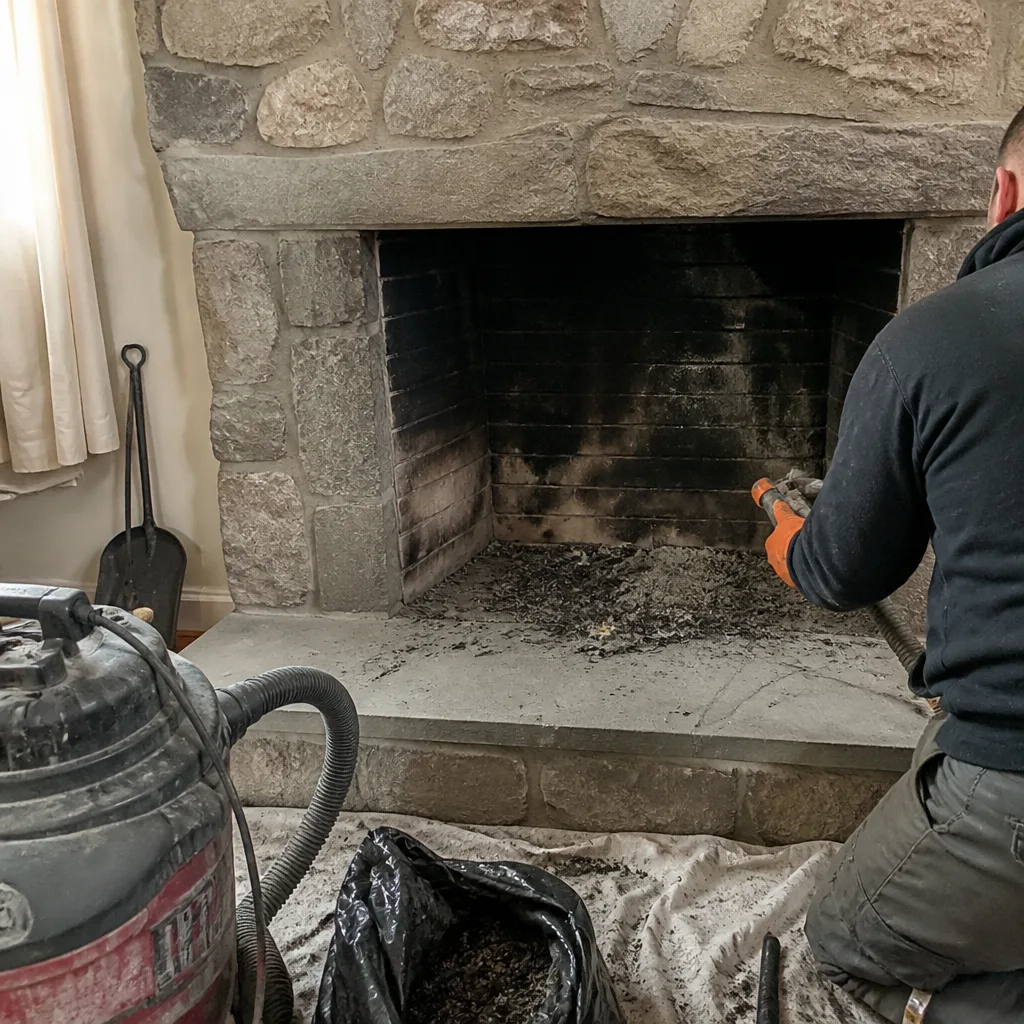 Before
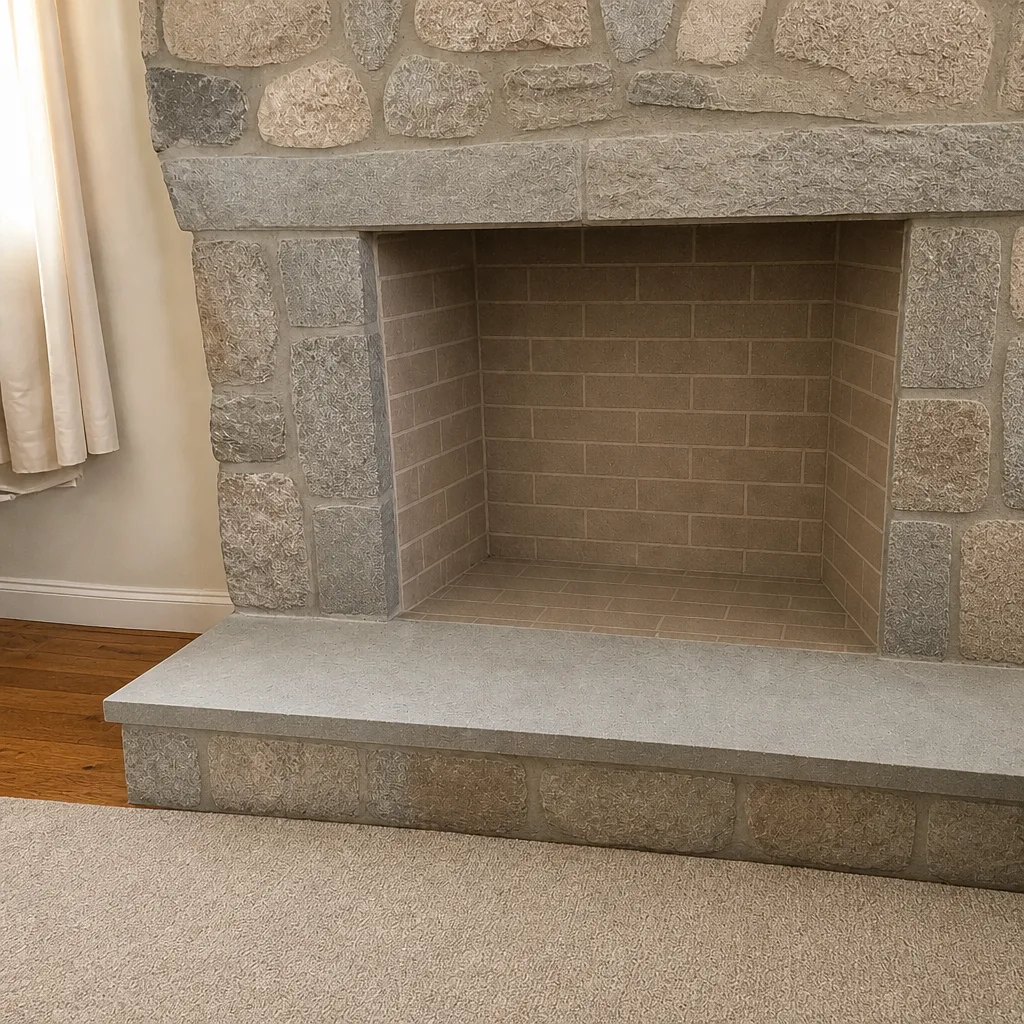 After
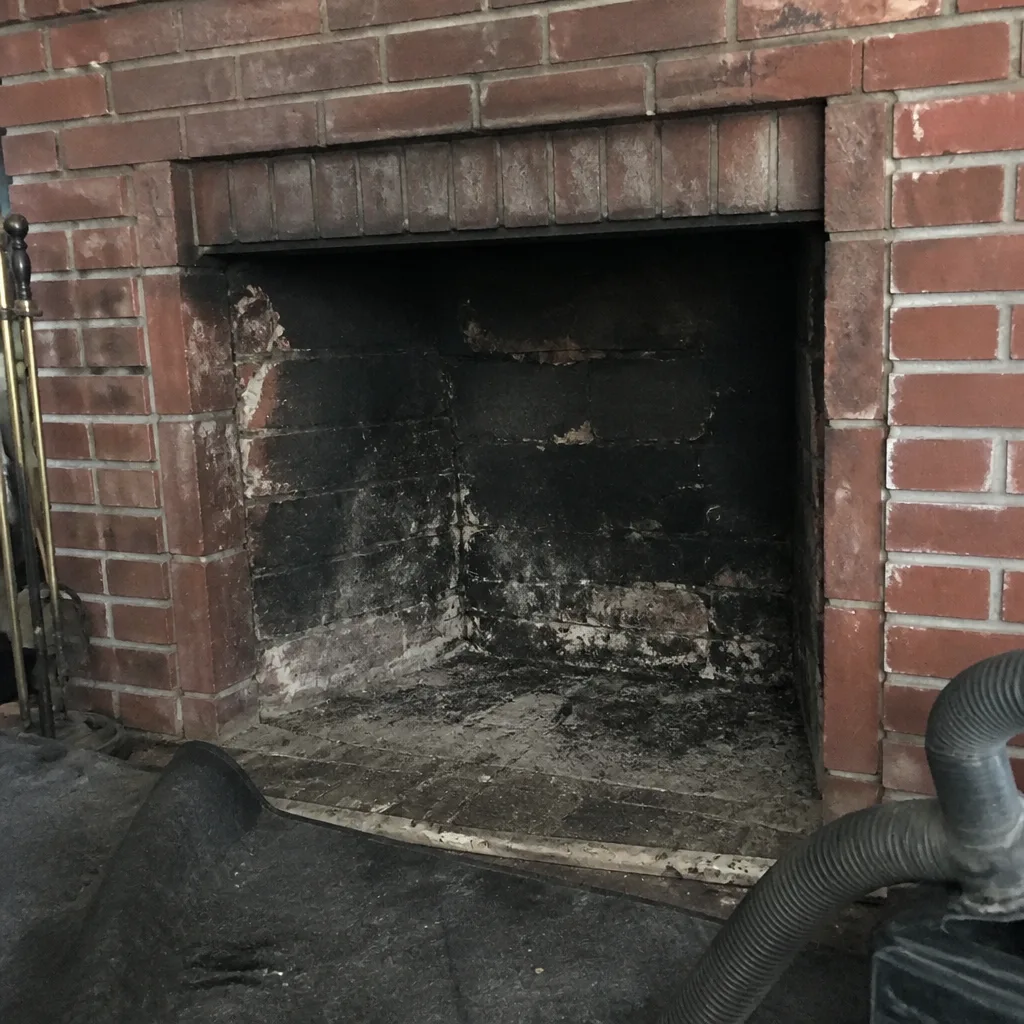 Before
 After
 Before
 After
When to Call a Professional
Call a professional when you’ve burned a full heating season of wood, when you’ve just bought a Springfield home with a fireplace you haven’t used, or when you’re noticing odor, draft problems, or visible spalling on the exterior brick. Call before the first fire of the season if the chimney hasn’t been looked at since the last one. And call if a previous sweep left you with a receipt but no written findings, because that’s a chimney you can’t actually vouch for. Lockhart Chimney Sweep offers free estimates in Springfield, and we handle sweeping, inspection, and repair as one job, so you’re not coordinating three contractors. Call (855) 360-8122. We answer 24/7. Fast dispatch from 7am to 7pm, Sunday through Friday.
Frequently Asked Questions
Once a year for most wood-burning chimneys, or after about a cord of wood, whichever comes first. Springfield’s long heating season means a fireplace in regular use can build creosote faster than the annual schedule suggests, so the inspection report should tell you whether your burning habits call for a mid-season check. Call (855) 360-8122 for an exact quote on a sweep. Estimates are free.
A standard sweep with a Level 1 inspection typically runs $180 – $350, and a Level 2 camera inspection usually adds $100 – $200. The final price depends on creosote level, oil residue, and flue configuration, and the written estimate sets it before booking. Call (855) 360-8122 for an exact quote. Estimates are free.
Only if the camera inspection shows cracked, missing, or offset flue tiles that can’t be resurfaced. HeatShield resurfacing can restore a deteriorated flue without full liner replacement when the damage is caught early, and a flexible system like DuraFlex or an Olympia Chimney liner is the option when the tile is too far gone or the flue has offsets. We don’t recommend a liner without camera evidence you can see yourself. Call (855) 360-8122 for an exact quote. Estimates are free.
Creosote builds in layers, and a thick enough layer can ignite and cause a chimney fire, while a cracked flue tile lets heat and carbon monoxide into the surrounding masonry. Springfield’s freeze-thaw cycles also mean an unchecked chimney loses mortar year by year, and a problem that could have been caught at a sweep becomes a repair. Call (855) 360-8122 for an exact quote. Estimates are free.
Yes, a Level 2 with camera inspection is the standard after a property changes hands, because the flue interior is where hidden damage lives and a visual check can’t see it. It’s also the right level after a fuel change, a new insert, or a suspected chimney fire. Call (855) 360-8122 for an exact quote. Estimates are free.
Look for written findings with photos, a camera inspection of the flue, and a report that separates “address now” from “can safely wait.” A chimney-focused specialist that carries professional-grade product lines like HeatShield, DuraFlex, Gelco, Famco, Olympia Chimney, and Copperfield can handle the sweep, the inspection, and the repair without handing you off to a second contractor. Call (855) 360-8122 for an exact quote. Estimates are free.
The Bottom Line
Chimney cleaning in Springfield isn’t a generic annual chore. The pre-1960s brick, the oil-to-wood history in many homes, and the freeze-thaw winters all shape what a cleaning needs to address. A real sweep includes a camera inspection, a look at the crown and flashing while the technician is up there, and a written report with photos you can verify. The cleaning is the appointment. The report is what tells you whether your chimney is ready for the next heating season or needs repair first. Call (855) 360-8122 for a free estimate. We answer 24/7. Fast dispatch from 7am to 7pm, Sunday through Friday.
Written by the team at Lockhart Chimney Sweep.