
Last updated November 16, 2026
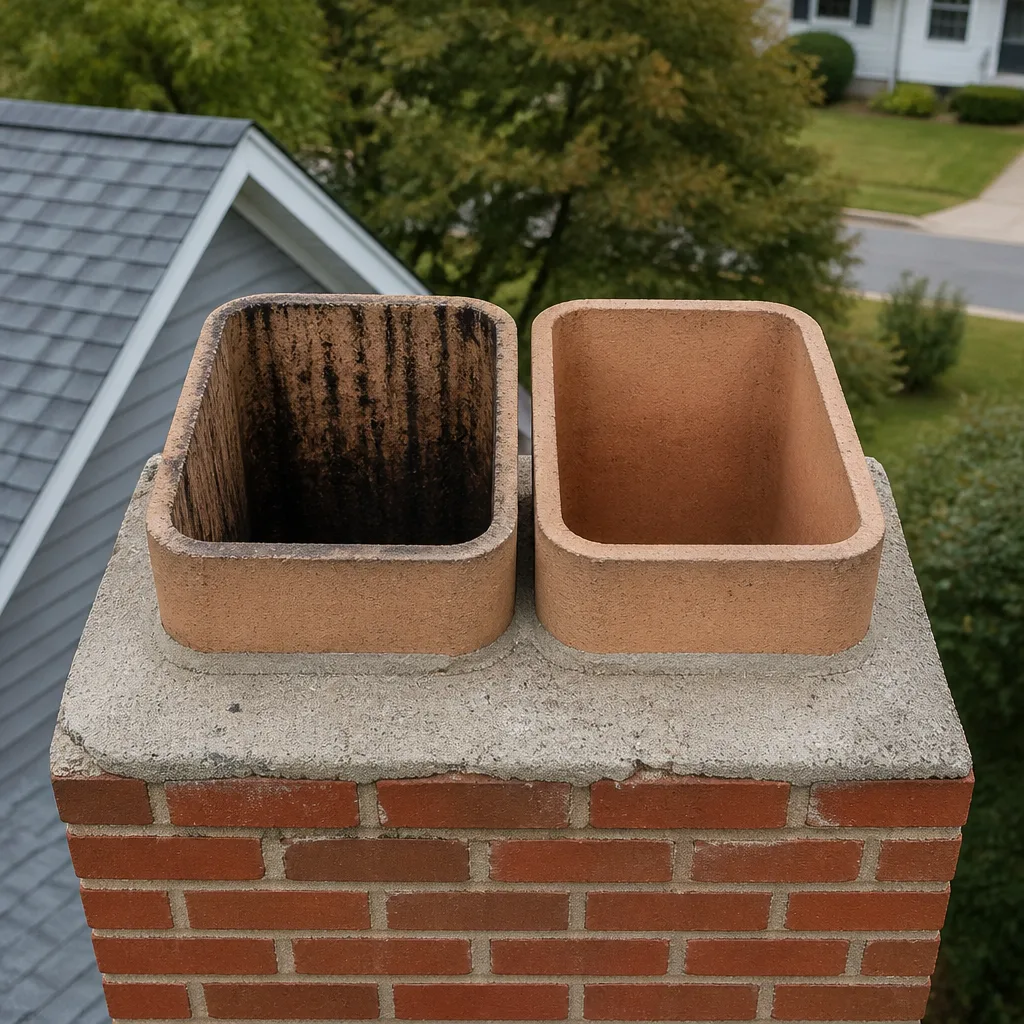 Sweep & inspection
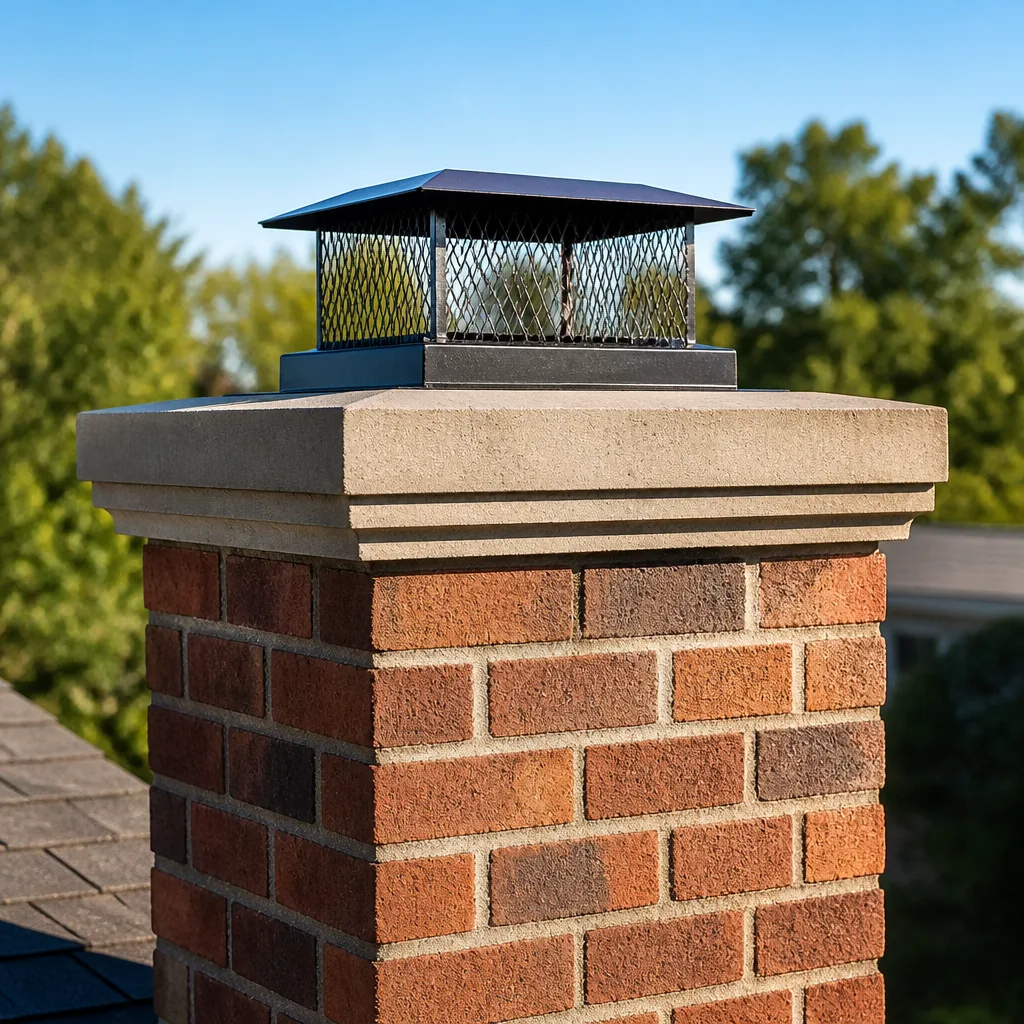 Caps & crowns
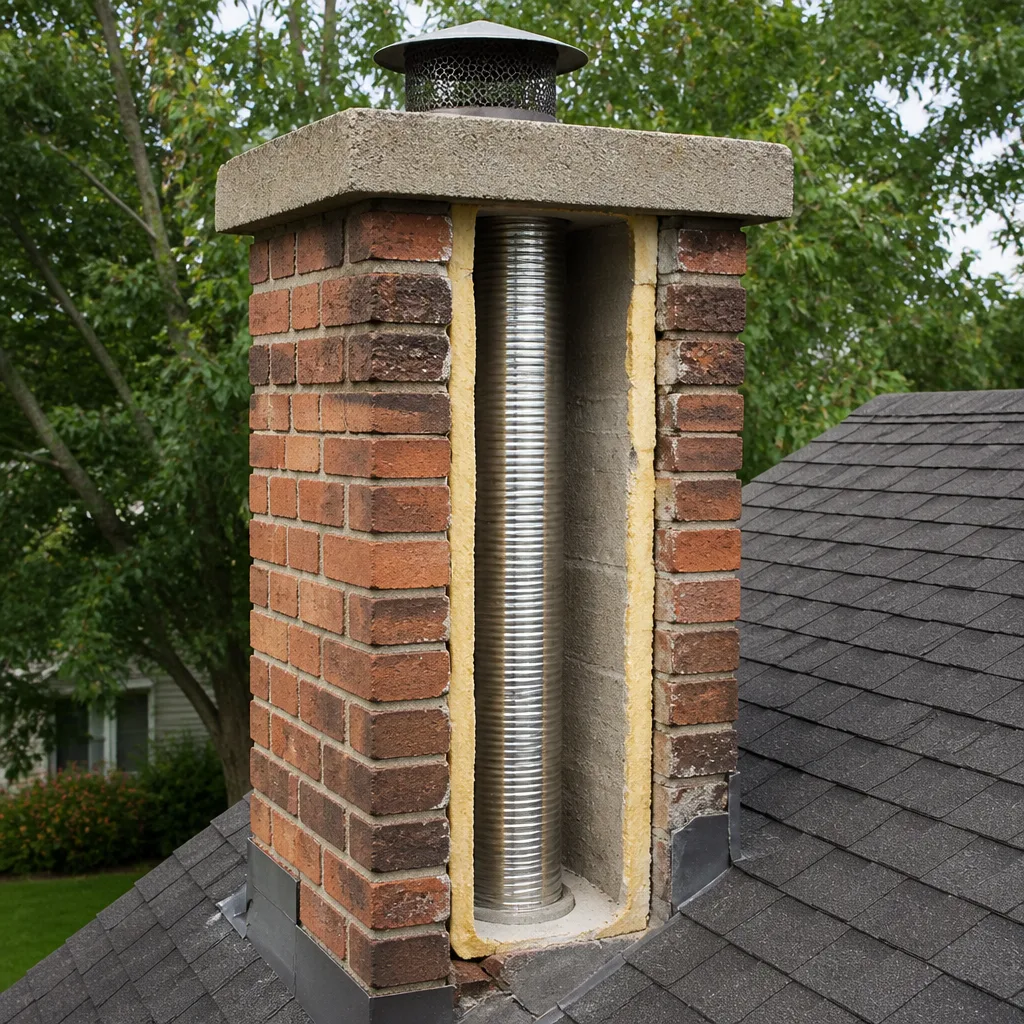 Flue relining
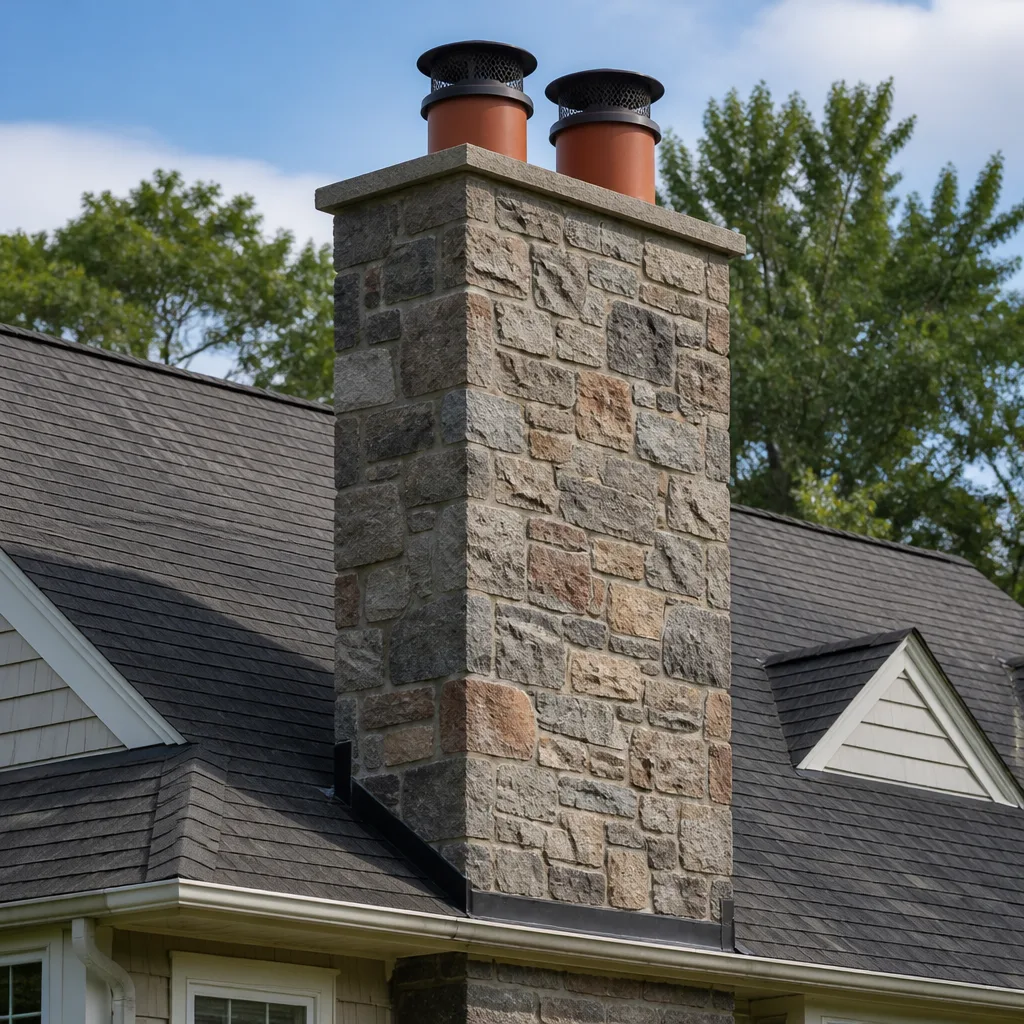 Masonry repair
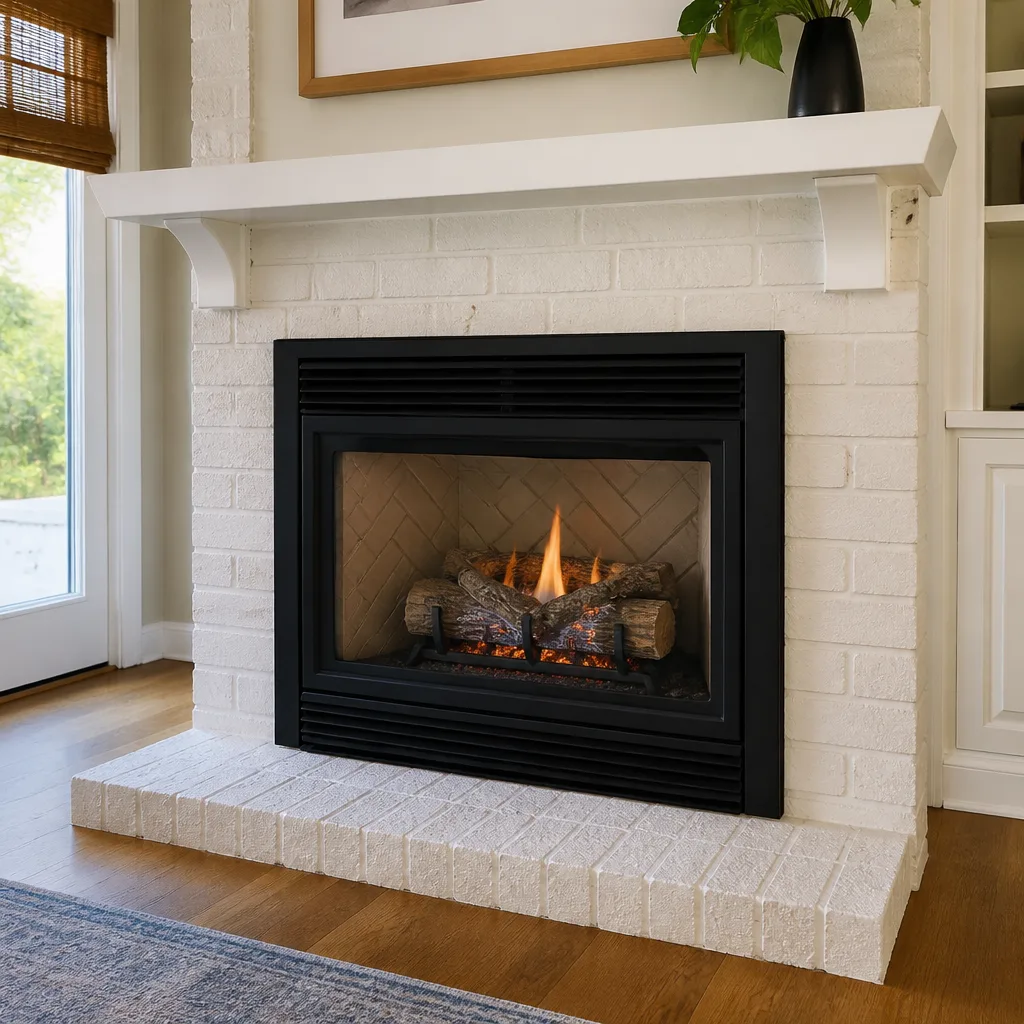 Gas fireplace service
Level 1 sweep and inspection to the NFPA 211 annual standard - flue, crown, cap, and flashing checked and photographed
Chimney sweep logs do not sweep chimneys. They loosen some creosote - which then falls where a brush and vacuum still have to collect it.
Choosing the Right Chimney Cleaning Brand: A Buyer’s Guide for Springfield
A silicone-based chimney sealant applied to a wet masonry surface does exactly nothing. The product is fine. The conditions are wrong. That single fact explains why the brand on the jug matters far less than who specifies it and when they apply it. Most homeowners shopping for chimney service in Springfield focus on the price of the sweep and never ask what goes into the flue. That’s backwards. The chemicals, sealants, and liner systems used during a service aren’t interchangeable, and the wrong match between product and appliance can shorten the life of the work. This guide walks through what the professional product lines actually do, how to match creosote treatment to creosote stage, why waterproofing must breathe, and which questions expose whether a contractor understands chimney chemistry.
Quick Answer
The right chimney cleaning brand for your Springfield home is the one whose products match your specific flue material, appliance fuel type, and creosote condition, not the most recognizable name. Professional-grade lines such as Rutland, Saver Systems, and HeatShield are formulated differently from hardware-store equivalents, and they’re only as good as the person specifying and applying them. Ask any contractor which product they’re using, why it fits your chimney, and what conditions it requires, and you’ll know quickly whether you’re dealing with a specialist.
Styles & brands we work with
- Sweep & inspection
- Caps & crowns
- Flue relining
- Masonry repair
- Gas fireplace service
Table of Contents
- Professional-Grade Products vs. Hardware-Store Chemicals
- Matching Creosote Treatment to Creosote Stage
- Why Chimney Waterproofing Must Be Vapor-Permeable
- How Liner System Compatibility Actually Works
- Springfield’s Climate and What It Does to Your Chimney
- Questions to Ask a Contractor About Products
- Sweep, Inspection, and Repair Under One Roof
- Timing Your Service Around Burning Season
Professional-Grade Products vs. Hardware-Store Chemicals
The difference between a professional-grade product line and what sits on a hardware-store shelf comes down to formulation and concentration. Rutland and Saver Systems products are built for the conditions a trained technician actually encounters: heavy creosote glaze, soot-bound flue tile, and masonry that’s been absorbing moisture for years. A consumer-grade degreaser is diluted for safety and shelf appeal. It works on light soot and nothing else.
Consider what each category is designed to do:
- Professional creosote removers are formulated to break down glazed, tar-like deposits that consumer products can’t touch. They’re applied by a technician who has already assessed the stage of creosote and the condition of the flue tile.
- Hardware-store chemical logs are a combustion product. They’re designed to be burned in the firebox and modify deposits over time. They don’t remove anything on their own, and they can’t tell the difference between a light dusting of soot and a third-degree glazed deposit.
- Resurfacing systems like HeatShield are a completely different category. They’re not cleaning products at all. They restore deteriorated flue tile, and they’re only available to contractors trained in their application.
- Masonry sealants and waterproofing split cleanly into vapor-permeable and vapor-impermeable. The wrong one traps moisture inside the masonry, which is worse than leaving it untreated.
When you hire a chimney sweep in Springfield, the products that arrive at your door should match the condition of your chimney. That’s the baseline. A company that shows up with a rotary brush and a bottle of generic degreaser is doing the minimum, regardless of what brand name appears on the label. We work with a professional portfolio including DuraFlex, HeatShield, Gelco, Olympia Chimney, Famco, and Copperfield because those are the lines certified chimney specialists rely on, and they’re the lines that hold up under real conditions. Our technicians have up to 9 years of experience specifying and applying them.
Matching Creosote Treatment to Creosote Stage
Creosote forms in three stages, and each stage requires a different treatment. This is the single most important thing a homeowner can understand about chimney cleaning, because it explains why a chemical log isn’t a substitute for a professional sweep.
The stages work like this:
- Stage 1: light soot and flaky deposits. This is what a standard brush sweep handles. The creosote is dry, loosely bonded, and comes off the flue tile with proper brushing technique. Most annual maintenance catches chimneys at this stage.
- Stage 2: hardened, crusty deposits. The creosote has baked onto the tile. A brush alone won’t remove it. A technician uses a rotary tool with the appropriate head, sometimes combined with a professional-grade chemical treatment to soften the deposit before removal.
- Stage 3: glazed, tar-like creosote. This is the dangerous stage. The creosote has become a fuel source on the interior of the flue. Removing it requires a professional-grade chemical treatment followed by mechanical removal, and it takes time. It cannot be rushed with a brush.
A chemical log burned in the firebox belongs to none of these categories. It’s a maintenance aid that may soften deposits slightly over many fires, and it’s no match for stage 2 or stage 3 creosote. When a homeowner tells us they’ve been burning a chemical log every week and doesn’t need a sweep, the honest answer is that the log hasn’t told them anything about what’s actually on their flue walls. A camera inspection does. Call (855) 360-8122 for an exact quote on a sweep that includes a photo report of what we find.
Springfield’s long, cold winters mean fireplaces run hard from November through March. That’s a lot of burn cycles, and it accelerates creosote accumulation. A chimney that was at stage 1 in October can be at stage 2 by February. This is why the timing of your sweep matters as much as the products used.
Why Chimney Waterproofing Must Be Vapor-Permeable
Masonry is porous and it absorbs water. It also needs to release water vapor from the inside out. A chimney loses heat from the flue through the masonry, and that warm interior drives moisture outward. If the exterior is sealed with a vapor-impermeable coating, the moisture has nowhere to go. It stays in the brick and mortar. Then it freezes.
Springfield sees hard freezes every winter. When water trapped inside brick expands into ice, it spalls the face of the brick and opens mortar joints. The chimney doesn’t fail from the outside in. It fails from the inside out, and a standard hardware-store masonry sealer is often the cause.
What to look for in a chimney waterproofing product:
- Vapor-permeable formulation. The product should allow moisture vapor to escape while blocking liquid water. Breathable masonry sealers are formulated for this. Standard concrete or brick sealers are not.
- Compatibility with the crown material. A chimney crown is not brick. It’s a concrete or masonry mix with different absorption characteristics, and the waterproofing needs to match.
- UV stability. The crown sits in full sun and takes freeze-thaw cycles. A product that breaks down under UV exposure is a one-season fix.
- Surface preparation requirements. This is where the application conditions matter as much as the product. Sealant applied to a wet, dirty, or newly-repointed surface will fail regardless of brand. The pre-application steps are what make the product work.
In our experience, the waterproofing failures we see in Springfield trace back to one of two things: the wrong product (impermeable when it should be breathable), or the right product applied to a surface that wasn’t ready for it. A waterproofing service that skips the surface preparation step is wasted money. So is one that uses a masonry sealer designed for a driveway on a chimney crown. We handle chimney repair across the full system, from the firebox to the crown, and that means we source waterproofing products specifically for chimney masonry, not general-purpose sealers.
How Liner System Compatibility Actually Works
A stainless steel chimney liner is not a universal product. The alloy grade, the gauge, and the wall thickness must match the appliance’s fuel type and exhaust chemistry. Get the match wrong and the liner fails from the inside in a few years, often invisibly.
Here’s how the matching works, in plain terms:
- Wood-burning appliances produce creosote and a mix of corrosive acids. The liner needs an alloy grade that resists both. A liner specified for a wood stove is designed to handle the corrosive environment of wood combustion.
- Gas appliances produce condensate that is acidic in a different way. A liner that performs well with wood may corrode faster in a gas flue because the exhaust chemistry is different. The alloy and gauge must match the fuel.
- Oil appliances produce still another chemistry, and the liner must be specified accordingly.
Gauge and alloy grade also affect how the liner handles heat stress and how long it lasts. A thinner gauge liner in a high-heat application will fail sooner than a heavier one. This isn’t a place to save a few dollars on materials.
There’s also the question of flue configuration. A straight, centered flue can take a rigid liner. A flue with offsets, bends, or a non-standard path can’t. In those cases, a flexible liner system like DuraFlex is the right product because it can navigate the bends without compromising the liner’s integrity. A company that only installs rigid liners will tell you what they have fits, or they’ll turn down the job. A company that works with both rigid and flexible systems can actually solve the problem.
Famco and Olympia Chimney are the kinds of professional-grade liner and component brands that specialists source when the configuration calls for it. The brand matters less than whether the contractor can explain why that specific liner is right for your appliance and your flue. For more on our chimney sweep service and how liner assessment fits into a standard visit, the full scope is worth understanding before you book.
Springfield’s Climate and What It Does to Your Chimney
Springfield sits in the Pioneer Valley, and the valley holds cold air in winter. That’s not just a weather curiosity. Temperature inversions, heavy freeze-thaw cycles, and long heating seasons all shape what happens to masonry chimneys around here.
Three things stand out for Springfield homeowners:
- Freeze-thaw damage on masonry. Springfield sees temperatures swing above and below freezing repeatedly through winter. Every freeze cycle expands water inside brick and mortar. Over years, that’s what causes spalling, cracked crowns, and loosened mortar joints.
- Dense heating seasons. Long winters mean sustained burn cycles. Creosote builds faster in a hard-used fireplace than in one that sees occasional weekend fires.
- Mature housing stock. Springfield’s older neighborhoods have masonry chimneys that have been through a lot of winters. Age shows up in the Crown and in the flue tile. An older chimney isn’t a problem, but it does need regular inspection, and the inspection should include a camera run through the flue.
The climate also affects what products make sense. A vapor-permeable waterproofing is critical in Springfield because the masonry cycles through wet and freezing conditions all winter. A liner specified for the appliance type is critical because the heating season runs long enough that any chemistry mismatch will show up in a few seasons, not a decade. For more on how we serve Springfield and the surrounding communities, our local page covers the full scope.
Questions to Ask a Contractor About Products
You can learn a lot about a chimney contractor by asking three or four specific questions about products before you book. The answers separate specialists from generalists, and they don’t require you to know the chemistry yourself.
Ask these, in this order:
- “What product will you use to treat the creosote in my chimney, and why?” A specialist will ask to inspect first, then specify. A generalist will name a product they always use, regardless of condition.
- “Will you use a chemical log or a professional-applied treatment?” If the answer is a chemical log, you’re talking to someone who doesn’t handle stage 2 or stage 3 creosote, or doesn’t want to.
- “If you waterproof my chimney, is the product vapor-permeable?” This is the single question that separates someone who knows chimney masonry from someone who treats the chimney like a driveway.
- “If I need a new liner, how do you match alloy grade and gauge to my appliance?” The answer should reference fuel type, condensation, and the flue configuration. Not just “we use stainless.”
- “Can you show me the camera footage of what’s inside the flue?” The products are only half the story. The other half is whether the recommendation is based on what’s actually in your chimney. A camera inspection with a photo report means you see the evidence before you agree to any work.
We ask these questions ourselves before every job. Not because we’re testing anyone, but because the only way to specify the right product is to know the actual condition of the chimney. A recommendation without inspection is a guess, and a guess with a product name attached is still a guess. If you want your flue assessed with the products matched to the findings, call (855) 360-8122 for a free estimate.
For the full range of what we offer, our Lockhart Chimney Sweep service overview lays out how sweeping, inspection, and repair connect.
Sweep, Inspection, and Repair Under One Roof
Chimney problems don’t respect the boundaries between services. A routine sweep often turns up a cracked flue tile. An inspection often identifies a crown that needs attention. When those services live with three different companies, the homeowner ends up coordinating schedules, repeating information, and trusting each company to not contradict the last one.
We offer chimney sweeping, chimney inspection, and chimney repair from one company, so the recommendation comes from the same place as the diagnosis. That matters most with a service like HeatShield resurfacing, which restores deteriorated flue tile instead of replacing the whole liner. A sweep-only company can’t offer that, so it either doesn’t find the tile damage or doesn’t have a middle path to offer. HeatShield is worth knowing about because it can save the cost of a full relining job when the tile damage is caught early enough. That requires an inspection that actually reaches the tile.
Here’s what a full-service visit involves:
- Sweep: the flue is cleared of soot and creosote using the appropriate tools and the correct treatment for the creosote stage.
- Inspection: the full chimney is assessed, from the firebox through the flue and out to the crown, with camera confirmation where the flue configuration calls for it.
- Repair: anything found in the inspection is estimated and quoted in writing, with the product specified for the repair. Nothing is recommended without evidence you can see.
Gelco and Copperfield are the kinds of cap and component lines a specialist uses when the repair touches the top of the chimney. The cap is doing real work. It keeps rain and wildlife out, and it matters that it’s sized and fitted correctly. A cap that’s too small or loosely fitted doesn’t do the job it’s there for. A company that doesn’t carry the right cap for your flue will find a workaround. A specialist will fit the right one.
Timing Your Service Around Burning Season
The best time to schedule a chimney sweep in Springfield is in the weeks before the first sustained burn, not after. That means late summer or early fall, before the wood stove and fireplace become daily fixtures. A pre-season service catches creosote accumulation from the previous winter and gives you time to schedule any repair before cold weather locks it in.
There are two other timing scenarios worth knowing:
- Mid-season: if you’ve been burning hard and notice a strong creosote odor, a draft problem, or visible soot at the firebox, don’t wait for spring. A mid-season inspection can catch an issue before it becomes a repair.
- Post-season: a spring sweep clears winter accumulation and gives you the summer months to complete any liner or crown work before the next heating season. Repair work done in warm weather has better conditions for curing and waterproofing products.
Last-minute scheduling is where homeowners get stuck. A chimney that needs repair in November is a chimney that may have to wait for a slot because everyone else is calling at the same time. The same repair done in September is straightforward. If you’re not sure whether your chimney is due for a sweep, the answer starts with an inspection. The inspection tells you what’s in the flue, how much of it, and what products will actually address it. Call (855) 360-8122. We answer 24/7. Fast dispatch, 7am-7pm, Sunday through Friday.
Common Mistakes to Avoid
- Buying a chemical log instead of booking a sweep. A chemical log modifies deposits over time but doesn’t remove anything. If your chimney has stage 2 or stage 3 creosote, a log is a false sense of security, not a fix.
- Choosing a sealant by price instead of permeability. A cheap masonry sealer that isn’t vapor-permeable can trap moisture and accelerate freeze-thaw damage in Springfield’s winters. The cost of the right product is small next to repointing a chimney.
- Assuming the liner brand matters more than the spec. The same alloy name in a gauge too thin for your appliance will fail. Ask how the liner was specified, not just what it’s called.
- Skipping the camera inspection. A recommendation to replace the liner or repoint the chimney without camera evidence is a guess. You should see what’s in the flue before you agree to any repair.
- Booking the sweep-only company for a repair job. A company that doesn’t do repair can’t offer resurfacing as an alternative to relining, and that can cost you the full reline instead of the targeted repair. The scope of the company’s services determines the options you’re given.
- Treating a general-purpose masonry sealer as chimney waterproofing. A product built for driveways or foundations doesn’t account for the heat and vapor movement inside a chimney. The chimney needs a product specified for chimney masonry, applied to a properly prepared surface.
- Waiting until the first cold snap. Book in late summer or early fall. The repair you schedule in September is a much easier job than the one you schedule in November.
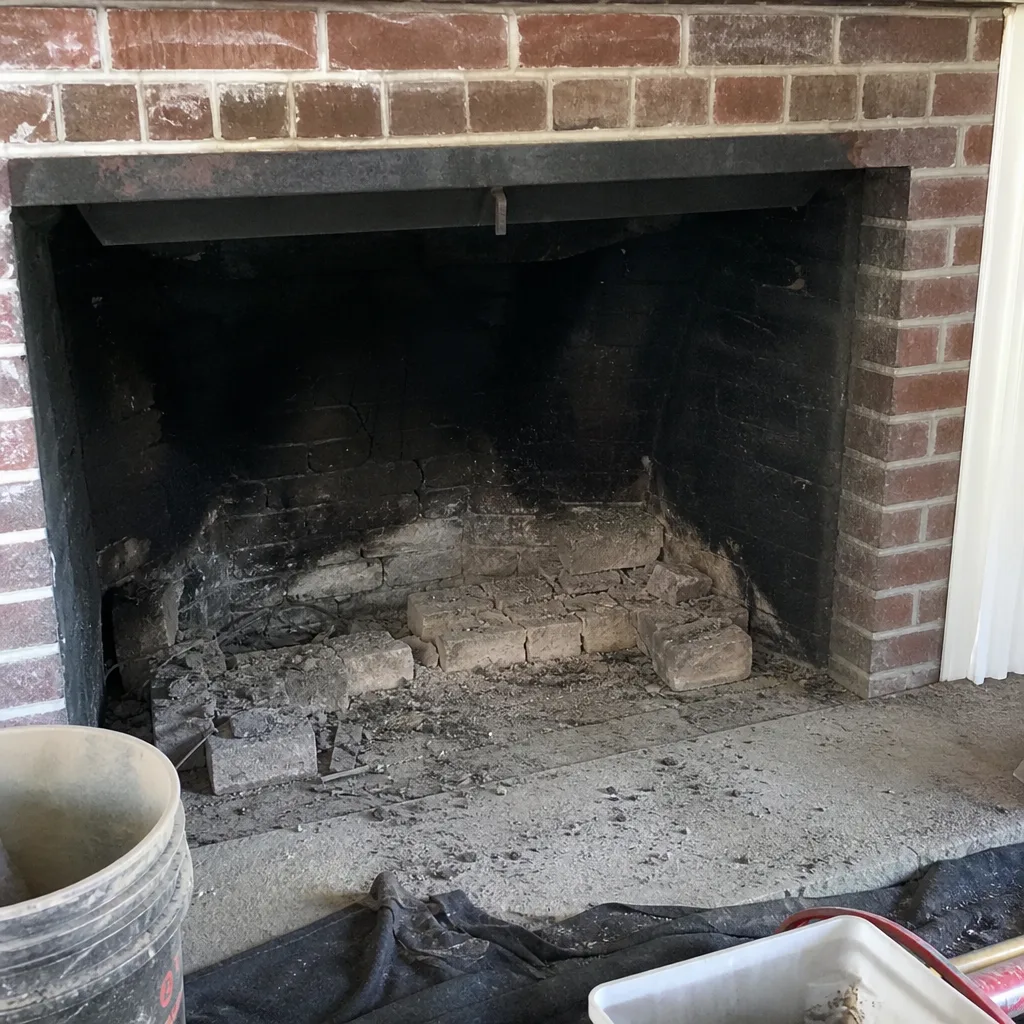
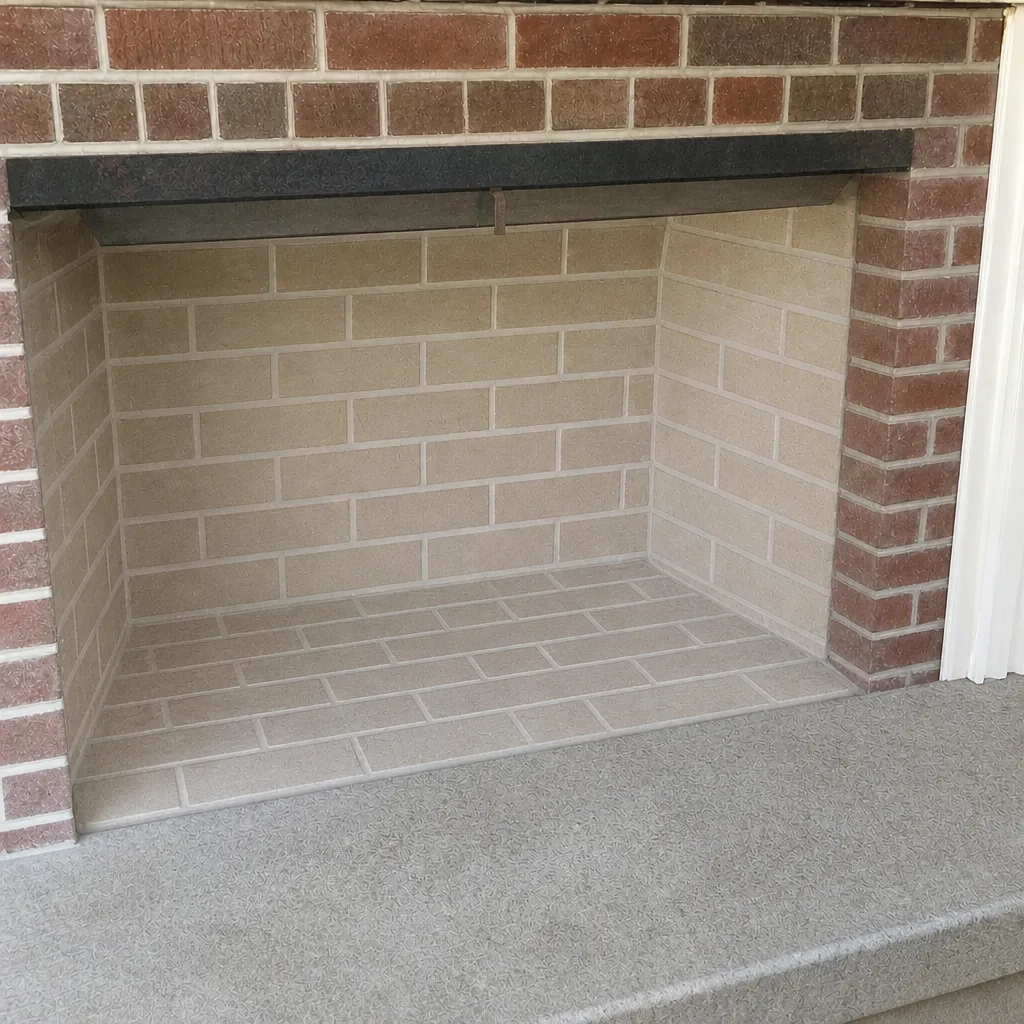
See the difference
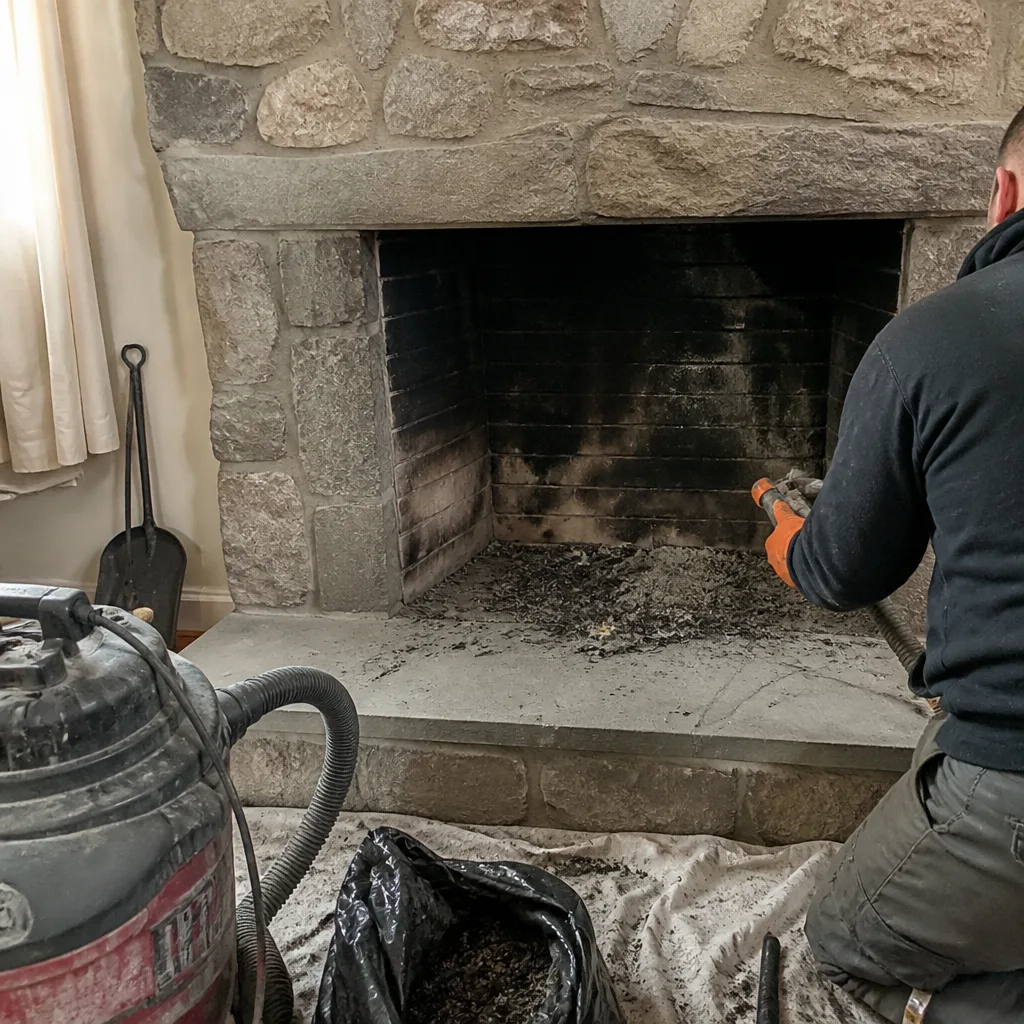 Before
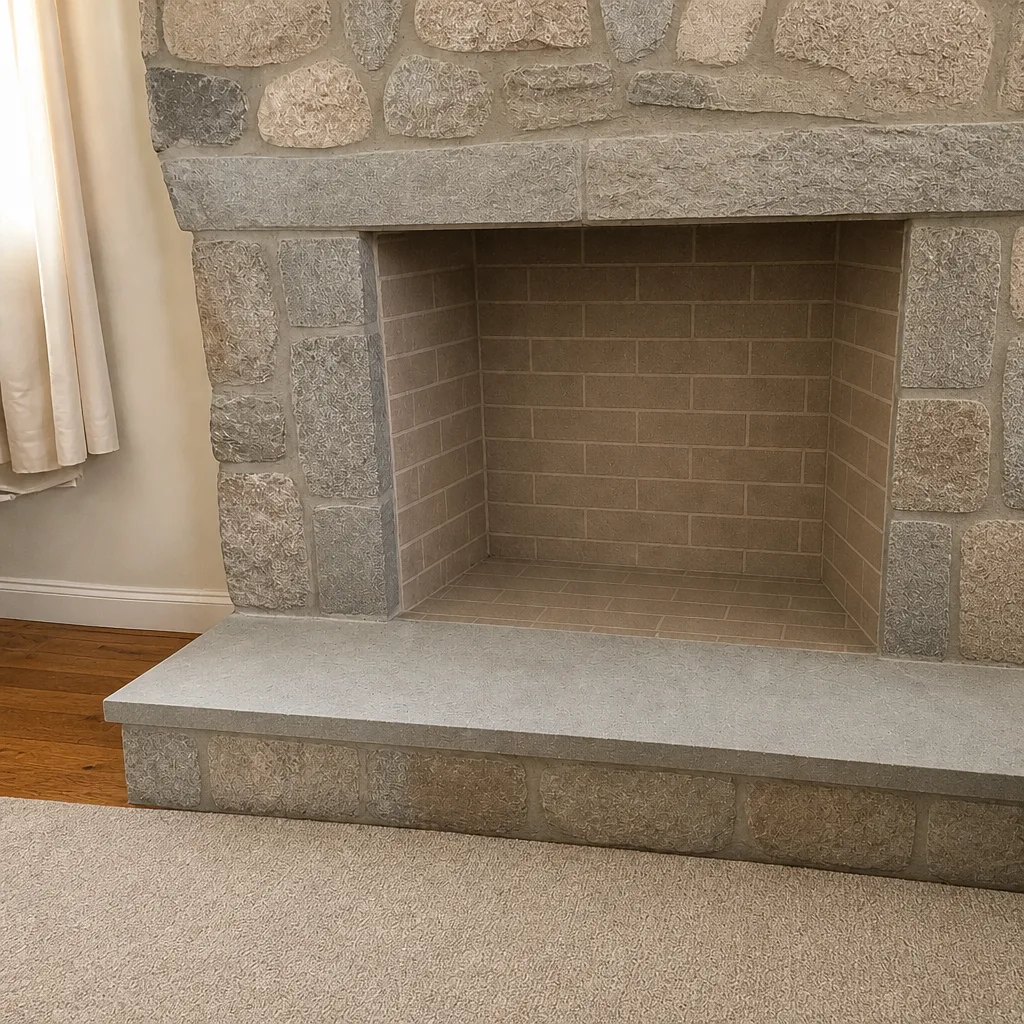 After
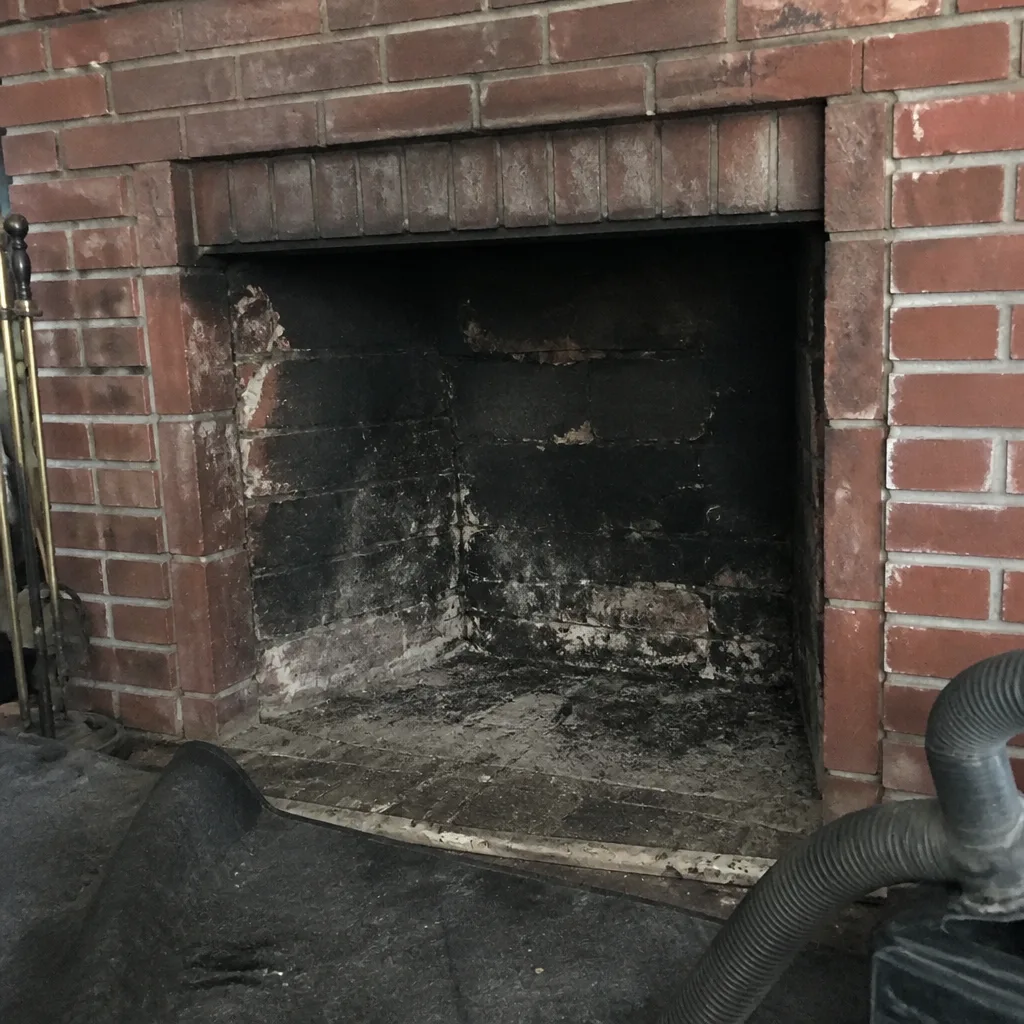 Before
 After
 Before
 After
When to Call a Professional
Some situations call for a professional visit directly, not a product recommendation over the phone. If you’ve just moved into a Springfield home with a fireplace and you don’t know when it was last serviced, book an inspection. If you’ve noticed a strong creosote smell, a draft that doesn’t draw, or visible soot at the firebox, don’t wait for the next heating season. If your chimney has a cracked crown, loose mortar joints, or a flue tile that looks damaged from the firebox, those need eyes on them. If a previous contractor recommended a new liner without showing you camera footage, a second inspection is worth the time.
None of that is a sales pitch for work you may not need. Some chimneys need nothing more than a sweep, and we’ll tell you that. What we won’t do is recommend a repair without evidence you can see for yourself. Lockhart Chimney Sweep offers free estimates in Springfield. Call (855) 360-8122.
Frequently Asked Questions
A standard chimney sweep in Springfield typically runs in a modest range and the price is set per job by the written estimate, not by a per-call fee. The estimate is free, and the written quote tells you the exact cost before any work begins. Repair work, liner work, and resurfacing are quoted separately because the scope varies by job. Call (855) 360-8122 for an exact quote. Estimates are free.
HeatShield resurfacing restores deteriorated flue tile in place, while a full liner replacement installs a new stainless system inside the flue. HeatShield is an alternative to relining when the tile damage is caught early enough, and a full liner is the right call when the flue is too far gone for resurfacing. The camera inspection is what determines which one fits your chimney. Call (855) 360-8122 for an exact quote. Estimates are free.
No. A chemical log is designed to modify creosote deposits over time, and it doesn’t remove anything from the flue. It’s no match for stage 2 or stage 3 creosote, which requires a professional-applied treatment followed by mechanical removal. A sweep clears what’s actually on the flue walls. Call (855) 360-8122 for an exact quote. Estimates are free.
Springfield’s freeze-thaw cycle traps water inside masonry that can’t release it. A vapor-permeable waterproofing lets moisture escape while blocking liquid water. A standard masonry sealer that isn’t permeable traps moisture, and that moisture expands into ice in winter and spalls the brick. The product specification is what makes the difference. Call (855) 360-8122 for an exact quote. Estimates are free.
Only a camera inspection can answer that for your specific chimney. A liner that’s damaged, undersized, or the wrong alloy for your appliance is worth replacing, but so is a liner with a single cracked tile that HeatShield resurfacing could restore. We recommend nothing without camera evidence you can see. Call (855) 360-8122 for an exact quote. Estimates are free.
Annual sweeping is the standard maintenance interval, and Springfield’s long heating season means a hard-used fireplace may benefit from an inspection before the season starts as well. The right schedule depends on burn volume and what the inspection finds. A chimney that runs daily through winter needs closer attention than one used occasionally. Call (855) 360-8122 for an exact quote. Estimates are free.
The Bottom Line
The brands used in chimney service aren’t interchangeable, and the reason is compatibility. Rutland and Saver Systems formulations are built for real creosote conditions, HeatShield restores tile without a full reline, vapor-permeable waterproofing lets masonry breathe, and liner gauge and alloy must match your appliance’s fuel. What ties all of that together is the person specifying the material. A contractor who asks about your appliance, inspects the flue with a camera, and explains why each product fits your chimney is doing the job correctly. A company that names a product without looking is following a routine. Lockhart Chimney Sweep is a chimney-focused specialist, and our technicians have up to 9 years of experience with the product lines professional installers rely on. Call (855) 360-8122 for a free estimate. We answer 24/7. Fast dispatch from 7am to 7pm, Sunday through Friday.
Written by the team at Lockhart Chimney Sweep.