
Last updated November 16, 2026
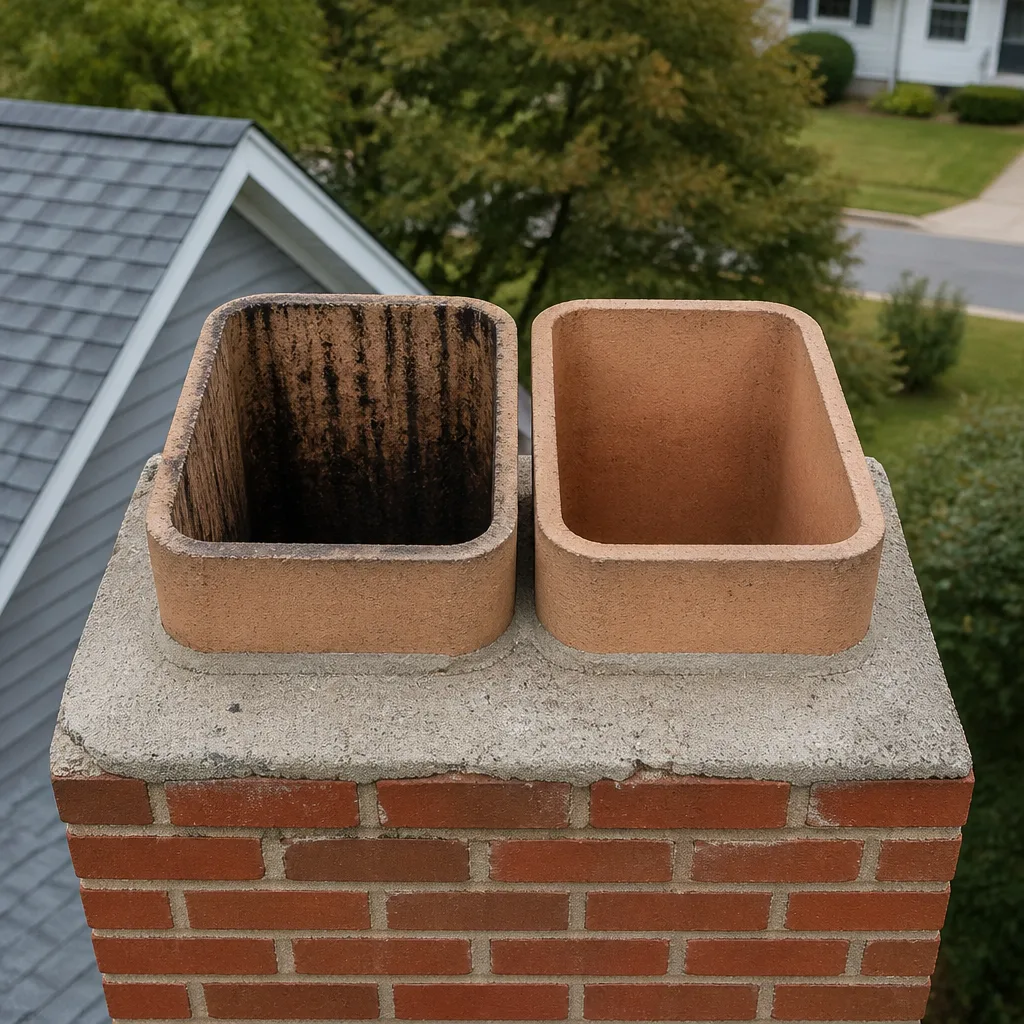 Sweep & inspection
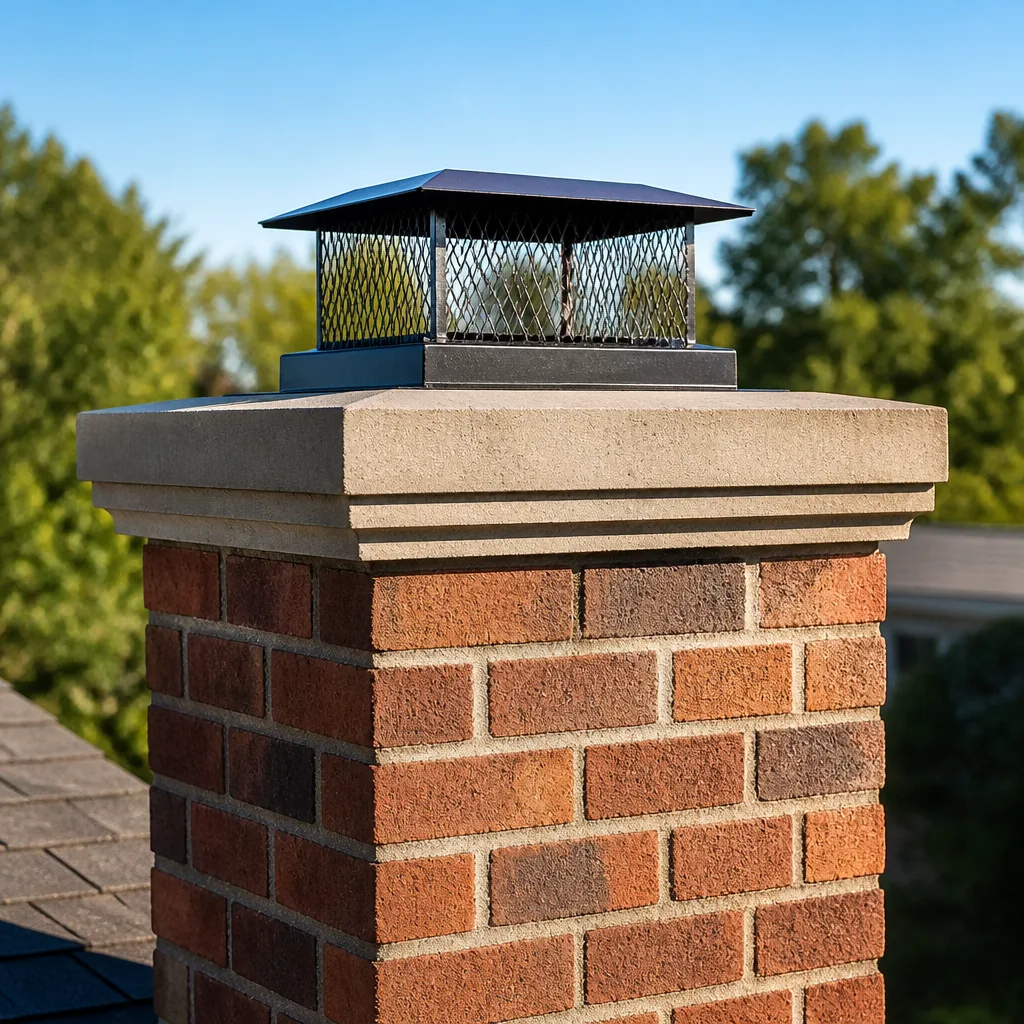 Caps & crowns
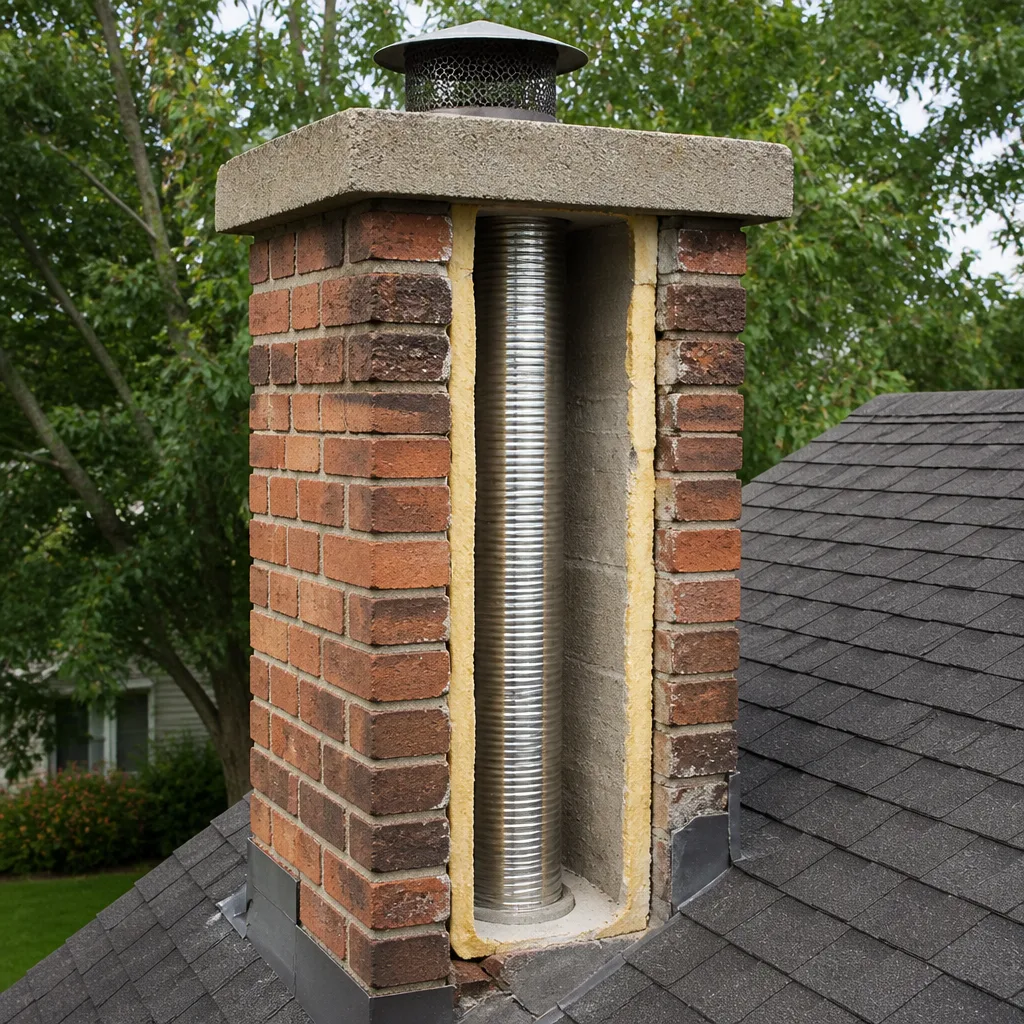 Flue relining
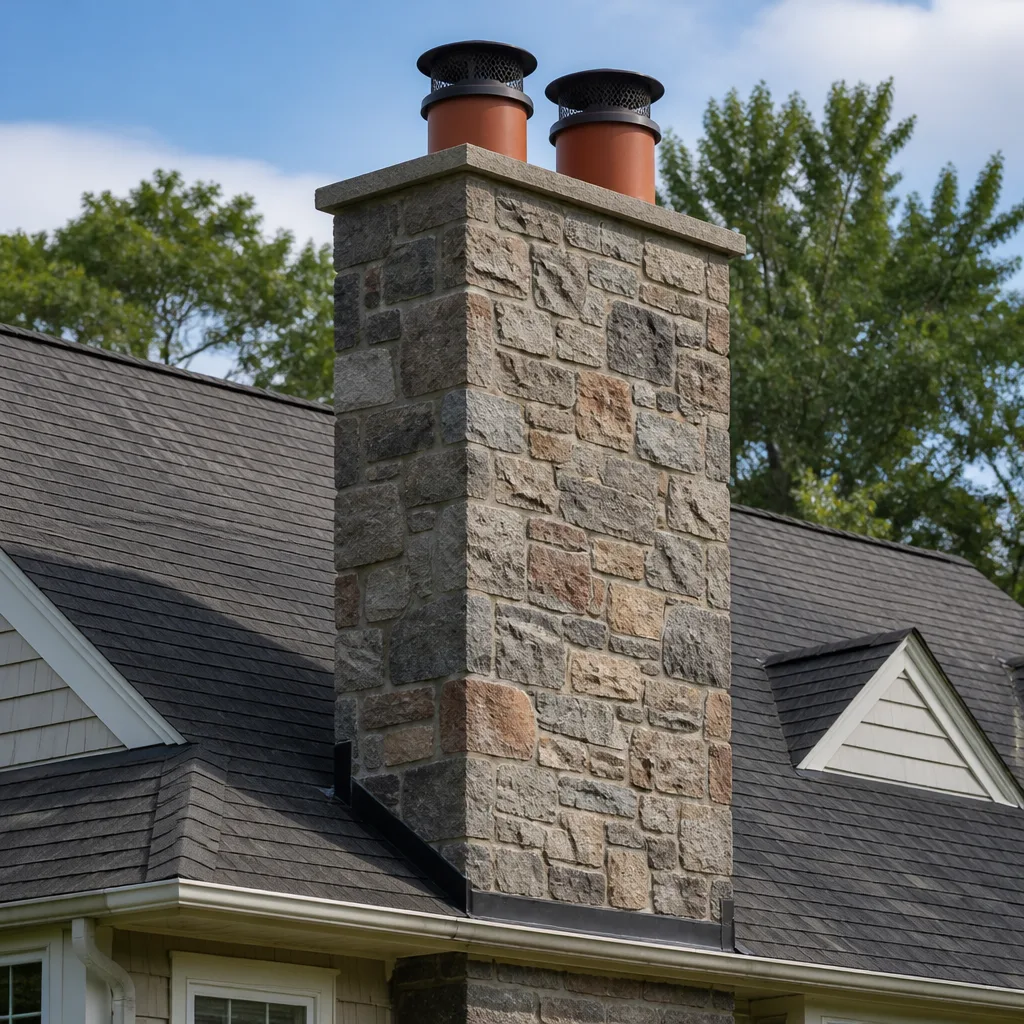 Masonry repair
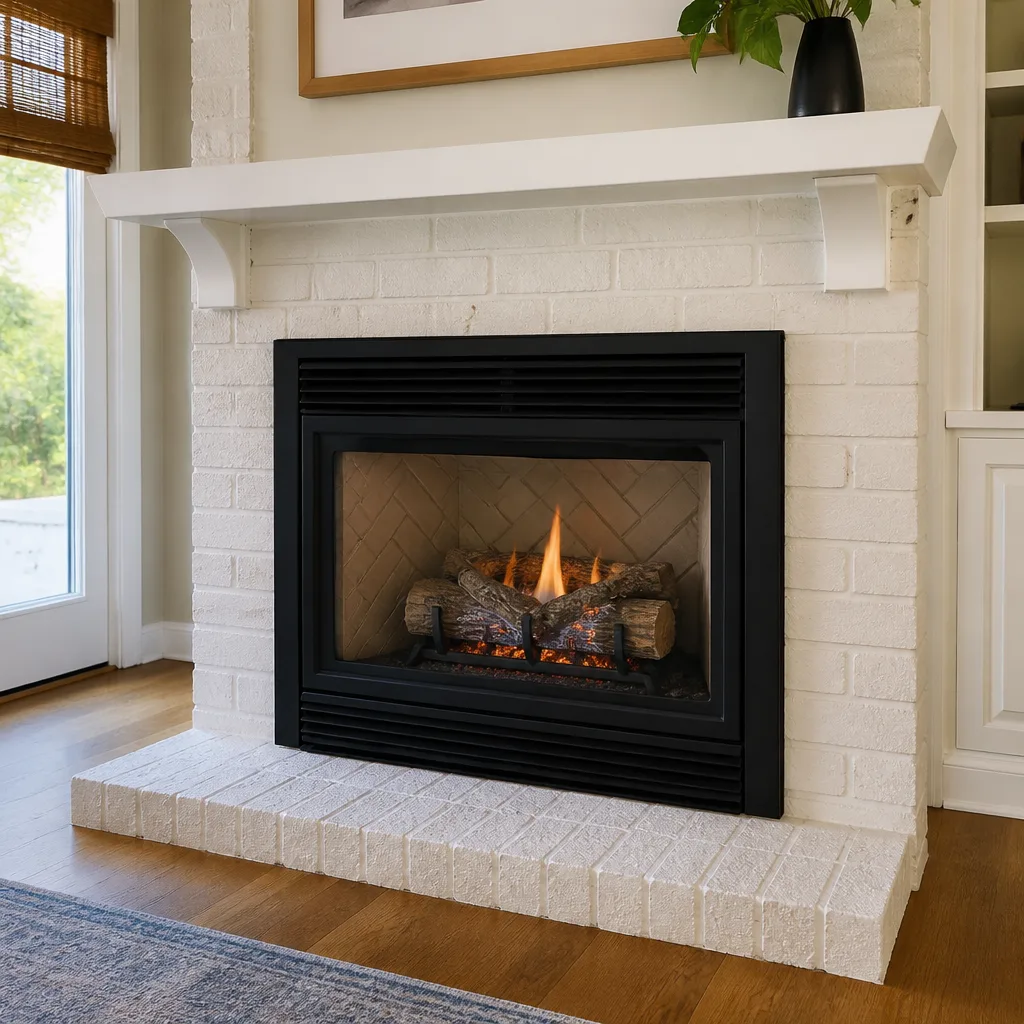 Gas fireplace service
Level 1 sweep and inspection to the NFPA 211 annual standard - flue, crown, cap, and flashing checked and photographed
Chimney sweep logs do not sweep chimneys. They loosen some creosote - which then falls where a brush and vacuum still have to collect it.
Chimney Sweep Troubleshooting in Springfield: Common Problems and How to Fix Them
Smoke rolling out of a fireplace doesn’t usually mean the fireplace is broken. In most Springfield homes we look at, that smoke is a pressure problem, a blockage problem, or a liner problem, and those three have completely different fixes. Grabbing a brush and sweeping when the real issue is draft is a little like changing your oil because your engine is overheating: you’ve done real work, and you’ve solved nothing. This guide is about reading your chimney’s signals correctly before you call anyone. We’ll walk through how to tell negative pressure from a physical blockage from a creosote restriction, what Springfield’s older triple-deckers and Victorians do to chimney pressure, and the specific signs that a job has moved past DIY into liner territory.
Quick Answer
Most chimney problems in Springfield trace back to one of four causes: backdraft from negative pressure, a physical obstruction like a nest or leaf pack, heavy creosote restricting the flue, or damage to the flue liner or cap letting water and air in. The fix depends entirely on which one you have, and the observable cues (when smoke spills, when the smell shows up, how a draft test behaves) tell you which. Sweeping fixes one of those four. It doesn’t fix the other three.
Styles & brands we work with
- Sweep & inspection
- Caps & crowns
- Flue relining
- Masonry repair
- Gas fireplace service
Table of Contents
- How do you diagnose a chimney problem before calling a sweep?
- Backdraft, blockage, or creosote: how do you tell them apart?
- Why do Springfield’s triple-deckers and Victorians have unique chimney pressure problems?
- What are the signs a problem has moved into liner damage?
- What do cap and crown failures look like, and what do they mean inside the flue?
- How should you document your chimney problem before calling?
- When in the Springfield year should chimney problems be addressed?
- Common Mistakes to Avoid
- When to Call a Professional
- Frequently Asked Questions
How do you diagnose a chimney problem before calling a sweep?
You diagnose a chimney problem by watching three things: when smoke spills, when the smell appears, and how the draft behaves under a simple paper test. Those three observations separate the four common causes faster than any tool, and they give a sweep something concrete to work from. Nothing here requires you to get on the roof or reach into the firebox beyond what’s safe.
Start with timing. Smoke that spills only when you first light the fire, then settles once the flue warms, points toward a cold-flue or pressure issue more than a blockage. Smoke that spills the whole time, every time, points toward a restriction or a flue that’s too small for the opening. Smoke that starts fine and gets worse as the fire builds points toward a flue that can’t keep up with the volume, which often means creosote buildup or a partially blocked cap.
Next, smell. A chimney that smells strongly in humid weather, or in a house that’s been closed up, usually has creosote or moisture in the flue. A smell that appears only when another exhaust appliance runs (a bathroom fan, a kitchen hood, a dryer) points hard at negative pressure pulling flue gases back into the room.
Then the draft test. Hold a lit rolled piece of paper near the open damper, not inside the firebox, and watch the flame and smoke. A flame that leans steadily up and into the flue is a healthy draft. A flame that flutters, leans back into the room, or pushes smoke out means the flue isn’t pulling. That single observation tells you more than a dozen guesses.
Write down what you saw and when. It’s the most useful thing you can hand a sweep, and it’s the difference between an accurate diagnosis and a fishing expedition. Our technicians have up to 9 years of experience reading exactly these signals, and we’ll always tell you what we find and what it means.
Backdraft, blockage, or creosote: how do you tell them apart?
Backdraft, blockage, and creosote restriction feel similar from the sofa but behave differently in the room, and each has a different fix. Here’s how to separate them using cues you can observe without opening anything up.
Negative pressure backdraft
Backdraft happens when the air pressure inside your house is lower than outside, so the chimney pulls room air down instead of pushing smoke up. It’s a house problem wearing a chimney costume. The cues:
- Smoke spills mainly on startup, or when the house is tightly sealed in cold weather.
- The smell appears when another exhaust fan runs, or when the furnace or boiler kicks on.
- The paper draft test shows a weak, wavering flame that won’t commit upward.
- Cracking a nearby window a half inch often improves the draft immediately.
If a cracked window fixes it, you’ve confirmed pressure, not blockage. The fix is usually about air supply to the house and the flue’s height and termination, not a brush.
Physical blockage
A blockage is something physically in the flue: a bird or squirrel nest, a leaf pack, a collapsed tile, a cap screen clogged solid. The cues:
- Smoke spills constantly, not just on startup, and gets worse as the fire grows.
- The smell is musty or animal-like rather than sharp and creosote-heavy.
- The paper draft test shows almost no pull at all, even with a window cracked.
- You may hear scratching or rustling in the flue, especially in spring.
Blockages are the one category where sweeping is genuinely the fix, but it has to be a full flue sweep with a camera check, not a quick brush at the damper.
Creosote restriction
Creosote builds in layers on the flue walls and narrows the passage over time. The cues:
- Draft is fine when the flue is cold and gets worse as the fire burns hotter and longer.
- The smell is sharp, tarry, and strongest in humid or warm weather.
- You can see a dark, glossy or flaky buildup on the damper frame or the smoke chamber above it.
- The paper test shows a weak but present draft that worsens with a bigger fire.
Glossy, tar-like creosote is the kind that fuels chimney fires, and it doesn’t come off with a homeowner brush. It needs a professional sweep, and if the buildup is heavy enough, it may need more than that. That’s the point where a chimney sweep is the right call, and where an inspection tells you whether the flue itself is still sound underneath.
Why do Springfield’s triple-deckers and Victorians have unique chimney pressure problems?
Springfield’s older triple-deckers and Victorian houses were built with chimney systems that were never designed for the way we heat and ventilate today, and that mismatch creates pressure problems you won’t find in newer construction. Understanding the housing stock explains a lot of the backdraft calls we get.
Triple-deckers often share a single original masonry chimney stack among multiple flues, one per unit. When one unit runs a bathroom fan or a kitchen hood, it can depressurize the shared chase and pull smoke from a neighboring flue. Homeowners in these buildings frequently describe a smell that appears in a unit that isn’t even burning a fire. That’s not a mystery: it’s a shared-stack pressure problem, and it’s why a plain sweep of one flue often doesn’t stop the smell.
Victorian-era homes around Springfield tend to have tall, narrow flues with offsets and bends, original tile liners that have seen a century of heating cycles, and exterior chimneys that run cold. Cold exterior flues are slow to establish draft, which is why so many Springfield fireplaces smoke on the first fire of the season and behave once they warm up. Original tile liners in these houses are also the ones most likely to show joint separation and spalling, because they’ve been through more freeze-thaw cycles than any liner built after them.
Springfield’s climate does the rest. Cold winters mean a bigger temperature difference between the flue and the outside air, which strengthens draft once the flue is warm but makes a cold flue harder to start. Shoulder seasons with mild, humid days are when creosote smells are worst, because the flue is cool and the creosote is soft. If your chimney behaves differently in January than it does in October, that’s the reason, and it’s normal. What isn’t normal is a problem that comes back every season, because that usually means the symptom was treated and the source wasn’t. Our work across Springfield is built around finding the source, not just clearing the symptom.
What are the signs a problem has moved into liner damage?
Liner damage is the point where a chimney problem stops being an inconvenience and becomes a safety issue, and the signs are easy to miss because they look minor. A hairline crack in a flue tile, a flake of spalling tile on the smoke shelf, or a visible gap at a joint can let heat and gases escape the flue and reach the framing or the house. That’s not a cosmetic problem.
Here’s what to watch for from inside the house, before anyone climbs anything:
- Hairline cracks in the visible flue tile just above the damper. If you can see cracks on the tile you can reach, there are almost certainly more higher up.
- Spalling: flakes or chunks of tile or mortar on the smoke shelf or damper ledge. Tile that’s shedding pieces is tile that’s failing.
- Joint separation: visible gaps between flue tiles, especially at offsets. Gaps let gases past the liner and into the masonry.
- White staining or efflorescence on the exterior masonry. That’s moisture moving through the chimney, and it often starts at the liner.
- A smell that returns within a season of a sweep, which can mean gases are moving through cracks rather than up the flue.
None of these are things to fix with a brush, and none are things to ignore. They’re the signals that a chimney has crossed from a maintenance problem into a repair problem. This is where a proper chimney repair assessment matters, because the fix depends on how much of the liner is affected. Minor tile damage caught early can sometimes be restored with HeatShield resurfacing rather than a full reline. Larger damage or separation usually means a new liner, and for chimneys with offsets or bends, a flexible DuraFlex or Olympia Chimney liner can follow the flue where a rigid liner can’t. Those are decisions a camera inspection should support, not a guess from the living room.
One safety caveat worth stating plainly: don’t try to inspect or repair liner damage yourself. The inside of a flue is a confined space with sharp edges, unstable tile, and potential for falling debris, and the work needs proper equipment and a trained eye. This is a job for a professional.
What do cap and crown failures look like, and what do they mean inside the flue?
A failing cap or crown usually looks minor from the ground but tells you water is getting into the flue, and water is the quiet cause behind a surprising share of chimney problems. Knowing what to look for from the yard helps you describe it accurately when you call.
From the ground, here’s what a cap or crown problem looks like:
- A missing or loose cap. If the cap is gone, tilted, or sitting crooked, rain and animals have open access to the flue.
- A clogged cap screen. A screen packed with soot, leaves, or nest material restricts the top of the flue and can cause smoke to back up into the house.
- Cracks in the crown. The crown is the concrete cap at the top of the masonry. Cracks in it let water run down between the flue and the chimney walls.
- Rust streaks or staining on the chimney’s exterior. That’s water tracking down the outside, often starting where the cap or crown has failed.
- A spalling or crumbling crown edge. Crumbling concrete at the top is concrete that’s no longer shedding water.
Inside the flue, a failed cap or crown shows up as moisture: damp creosote that smells worse than dry creosote, rust on a metal damper or firebox components, or freeze-thaw damage to the tile liner over time. A squirrel or bird nest in the flue often gets in through a missing cap, which is why a cap problem and a blockage problem can be the same problem. A proper cap, like the Gelco, Famco, or Copperfield components we work with, closes off that access and keeps water and animals out. If you’ve had the same spring blockage two years running, look up at the cap before you look anywhere else.
How should you document your chimney problem before calling?
Documenting a chimney problem before you call gets you an honest estimate instead of a fishing expedition, because a sweep can only diagnose what they can observe. The more accurately you can describe what you’re seeing, the faster a real problem gets identified and the harder it is for anyone to pad an estimate. Here’s a straightforward way to do it.
- Write down the timing. When does smoke spill: on startup, throughout the burn, or as the fire builds? Note whether it happens every fire or only in certain weather.
- Describe the smell and when it appears. Sharp and tarry, musty and animal-like, or only when another fan runs. Note whether it’s worse in humid weather or when the house is closed up.
- Run the paper draft test and record the result. Flame leans up, flame flutters, or flame pushes back. Try it with a window cracked and note whether anything changes.
- Take photos where it’s safe. Photos of the firebox, the damper, the smoke chamber if you can see it, and the chimney exterior from the ground. Never climb on the roof or reach into the flue to get a photo.
- Note any recent changes. A new bathroom fan, a tightened-up house, a new furnace, a chimney cap that came loose, a storm that took shingles off the roof nearby.
- List what’s already been done. The date of the last sweep, any repairs, and whether a problem has come back after previous work.
Hand that to a sweep and you’ve given them a head start that no amount of on-site guessing can match. It also means the estimate you get is grounded in observable facts, and you can ask directly: what did you find, and what does it mean? Our technicians have up to 9 years of experience, and we’ll always answer that question with the evidence in hand, not a sales pitch. That’s true whether the answer is “sweep it and you’re fine” or “this needs a liner.”
When in the Springfield year should chimney problems be addressed?
Most chimney problems should be addressed before burning season, not during it, because a sweep and inspection done ahead of the heating months catches liner damage, cap failures, and creosote buildup while there’s still time to fix them properly. Once you’re burning regularly, a problem that needs repair means taking the chimney out of service, which is a worse time to discover it.
The best window in Springfield is late summer into early fall, before the first sustained cold and before the flue starts getting regular use. That’s when a sweep can clear the creosote, a camera inspection can check the liner, and any repair can be scheduled without disrupting your heating. Late summer is also when shoulder-season humidity makes creosote smells most obvious, so it’s a good time to catch a problem you’ve been noticing all year.
If you’ve missed that window, a chimney that’s already smoking or smelling should be assessed before the next fire, not after. And a spring check after a season of heavy burning is worth doing too, because freeze-thaw damage to a tile liner shows up best after winter. The seasonal rhythm matters: this is not a same-day urgency situation, it’s a “book it before the cold” situation. Getting on the schedule early beats calling the week the first cold snap hits. As we like to say, a clean chimney is the starting point. We’ll tell you if it needs to be more than that.
Common Mistakes to Avoid
- Sweeping a draft problem. If the paper test shows a weak or reversed draft, a brush won’t fix it. Sweeping a pressure problem leaves the smoke, the smell, and the underlying cause exactly where they were.
- Treating a recurring smell as “just how the chimney is.” A smell that returns every year usually means the source was never traced, whether that’s moisture through a failed cap, gases moving through liner cracks, or heavy creosote in a cold flue.
- Ignoring hairline cracks because they look minor. Cracks and joint separation in flue tiles are exactly the kind of damage that looks cosmetic and isn’t. If you can see them, a camera inspection should follow.
- Skipping the cap because the flue “seems fine.” A missing or clogged cap is behind a lot of spring blockages and water damage. Look up at the cap before you call about a draft problem.
- Calling about a triple-decker smell without mentioning the shared stack. In Springfield’s multi-unit buildings, a smell in a unit that isn’t burning a fire is a shared-chase issue. Tell the sweep it’s a shared stack so they check the right flues.
- Hiring a generalist who “does chimneys too.” A handyman with a brush can clear what’s visible, but diagnosing liner damage, cap failure, and pressure problems needs a specialist who works on chimneys every day and can specify the right liner or cap for the job.
- Accepting a repair recommendation you can’t verify. Ask to see the camera footage and the photos. If the recommendation doesn’t match the evidence, get a second look before committing to thousands of dollars of work.
When to Call a Professional
Call a professional when the problem is one of the three you can’t fix with a brush: a liner that’s cracked, spalling, or separated; a cap or crown that’s failed and let water in; or a pressure problem that keeps coming back after a sweep. Call sooner if you smell gas, see soot on the outside of the chimney, or notice a burning smell that doesn’t clear. For everything else, a booked sweep and inspection before burning season is the right move. Lockhart Chimney Sweep offers free estimates in Springfield – call (855) 360-8122. We answer 24/7, and fast dispatch from 7am to 7pm, Sunday through Friday. We work exclusively on chimneys, which is why we can tell you plainly when a problem is a simple sweep and when it’s more.
Frequently Asked Questions
A standard sweep is typically priced as a flat rate set per job by a written estimate, and the estimate is free. The exact figure depends on the flue configuration, the amount of creosote, and whether an inspection is included, so you’ll get a clear number before any work starts. Call (855) 360-8122 for an exact quote.
Not always. A new liner is only needed when the existing tile can’t be restored, such as with widespread spalling, failed joints, or a cracked flue that’s too far gone. Minor tile damage caught early can sometimes be resurfaced with HeatShield instead. A camera inspection shows you what the flue actually looks like, and we won’t recommend a liner without evidence you can see. Call (855) 360-8122 to book the inspection.
The general rule is to sweep when the creosote buildup reaches about a quarter inch, which for many households means once a year with regular burning. Homes with heavy use, green wood, or a cold exterior flue in Springfield’s climate may need it more often. A sweep and inspection before burning season tells you what your chimney actually needs. Call (855) 360-8122 to schedule.
Creosote builds in layers, and heavy tar-like creosote is the fuel for a chimney fire. Skipping also means liner cracks, cap failures, and moisture damage go unnoticed, and those get more expensive to fix the longer they run. Call (855) 360-8122 for a free estimate before the cold sets in.
That’s usually negative pressure, not a blockage. A tightly sealed house in cold weather pulls air down the flue instead of pushing smoke up, and other exhaust fans make it worse. It’s a house-pressure problem dressed as a chimney problem, and a sweep plus a look at the flue’s draft and termination is the way to sort it out. Call (855) 360-8122 for a free estimate.
It’s common in triple-deckers with a shared masonry stack, but it isn’t something to live with. A fan or appliance in one unit can depressurize the chase and pull smoke from a neighboring flue. A thorough sweep, a camera inspection, and a look at the shared stack’s condition is the right next step. Call (855) 360-8122 to book it.
The Bottom Line
The chimney problems that come back every season are the ones that were treated as symptoms instead of traced to their source. Backdraft, blockage, creosote restriction, and liner damage all look alike from the firebox, but they read very differently once you watch the timing, the smell, and the draft test. Springfield’s older triple-deckers and Victorians add their own pressure quirks that a generic guide won’t account for. The fix is to document what you’re seeing, get a professional to look with a camera where you can’t, and know that a sweep is one answer among four. If you want a straight read on what’s actually happening in your chimney, Lockhart Chimney Sweep is here to help.
Call (855) 360-8122 for a free estimate. We answer 24/7. Fast dispatch from 7am to 7pm, Sunday through Friday.
Written by the team at Lockhart Chimney Sweep.
See the difference
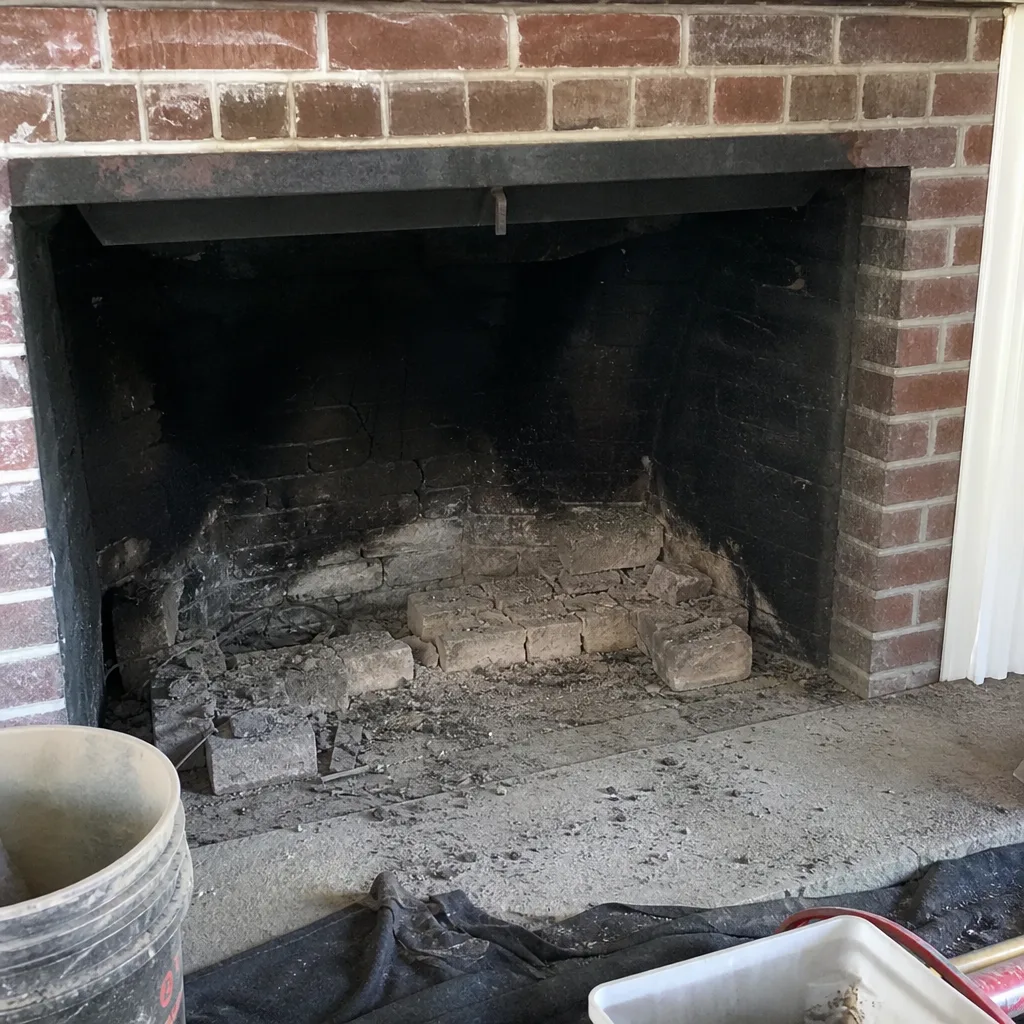
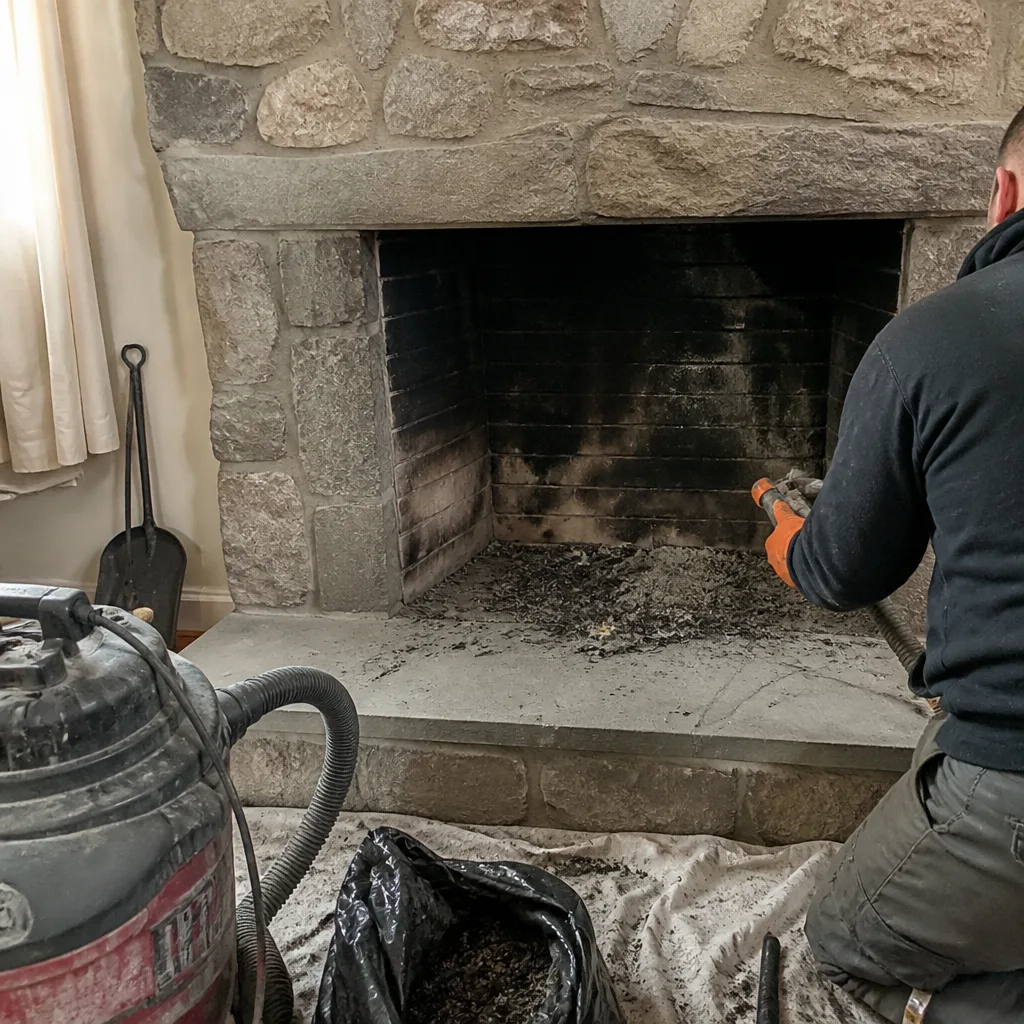 Before
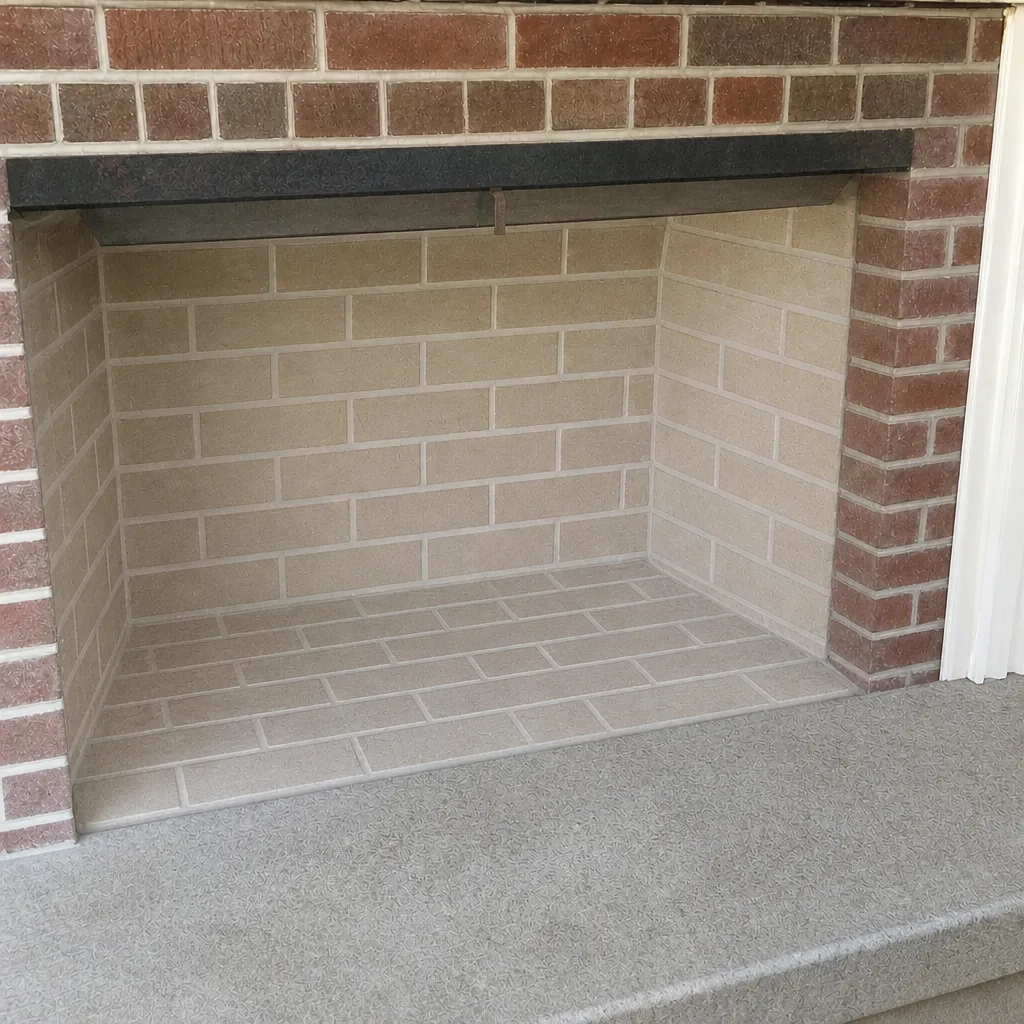
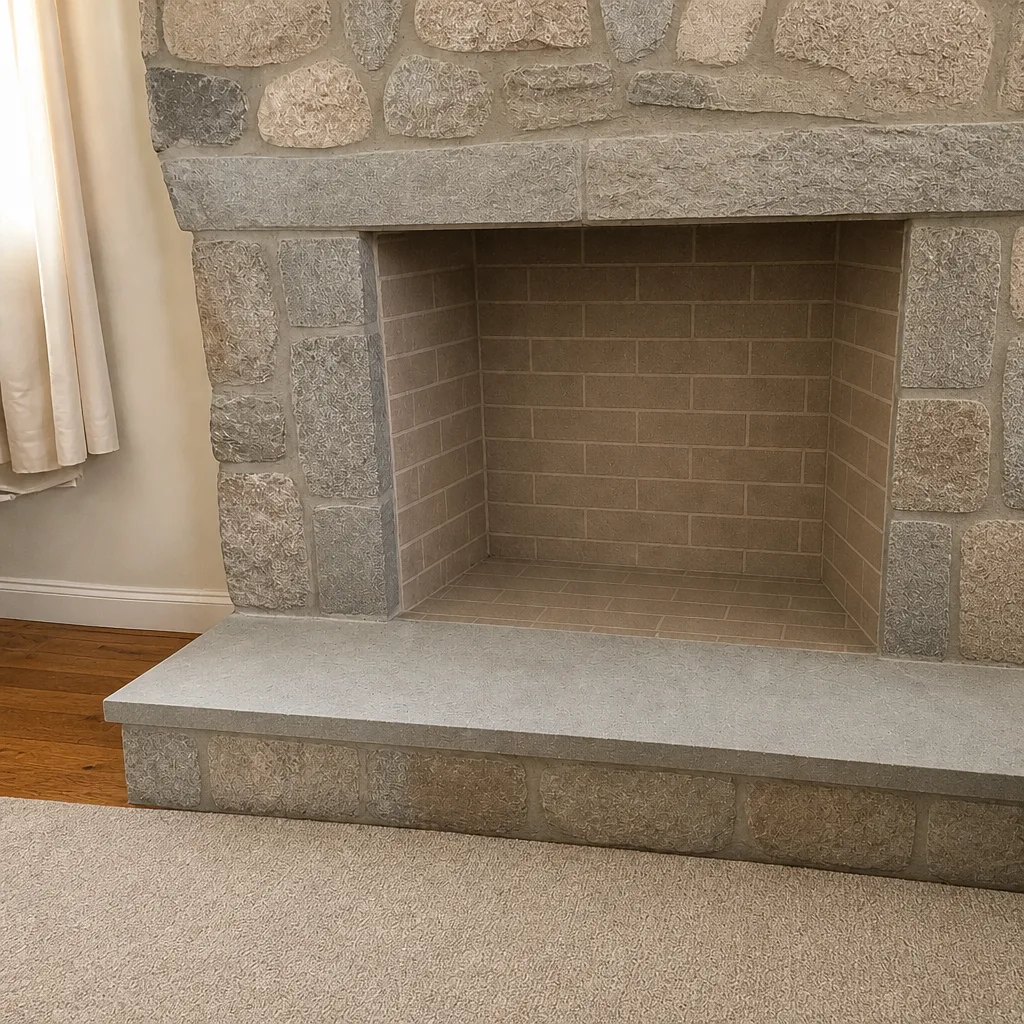 After
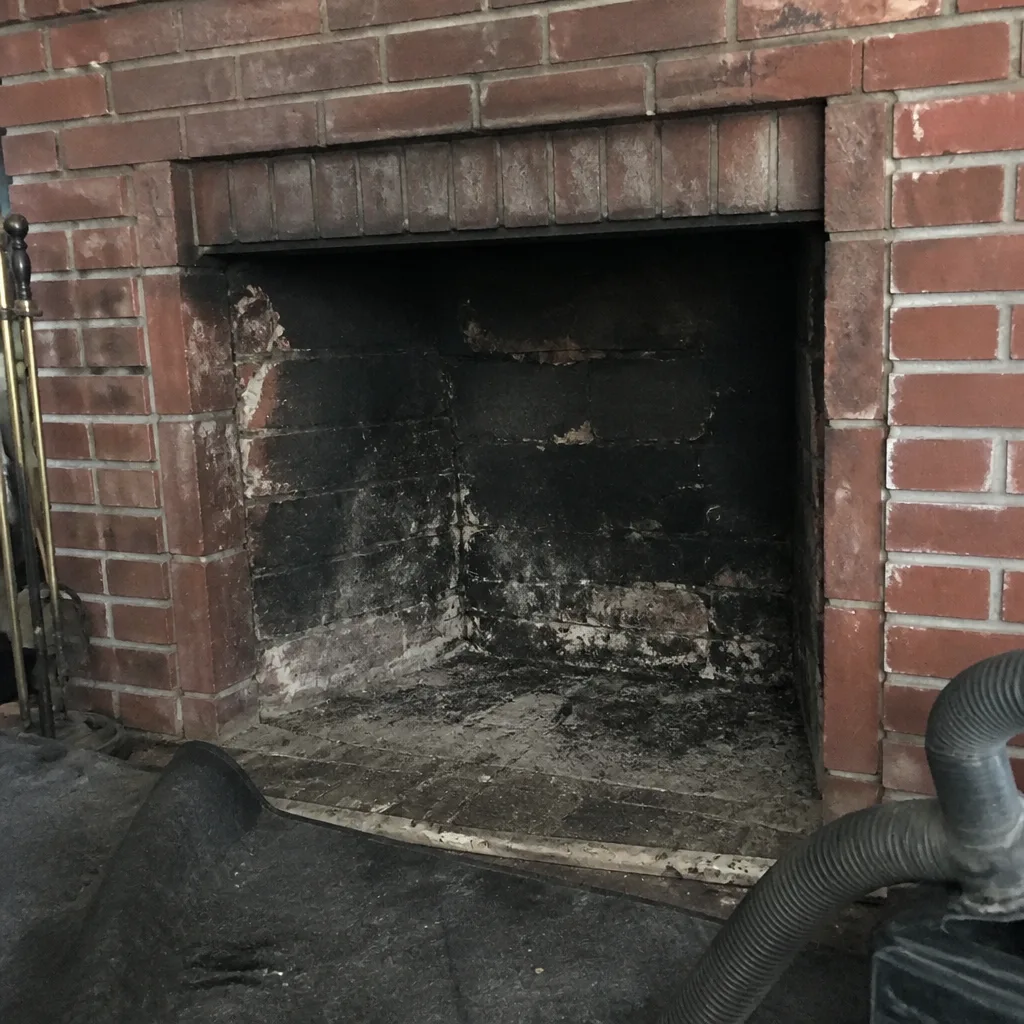 Before
 After
 Before
 After