
Last updated November 16, 2026
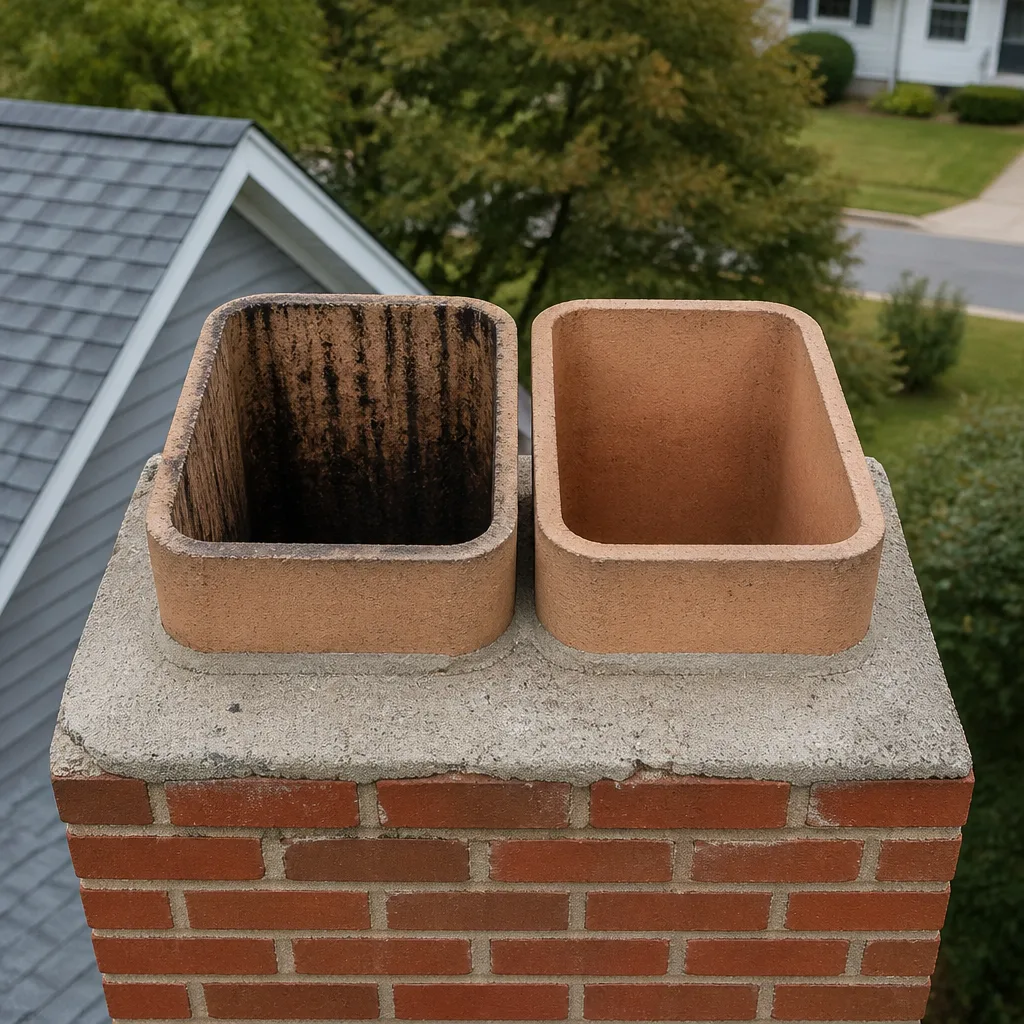 Sweep & inspection
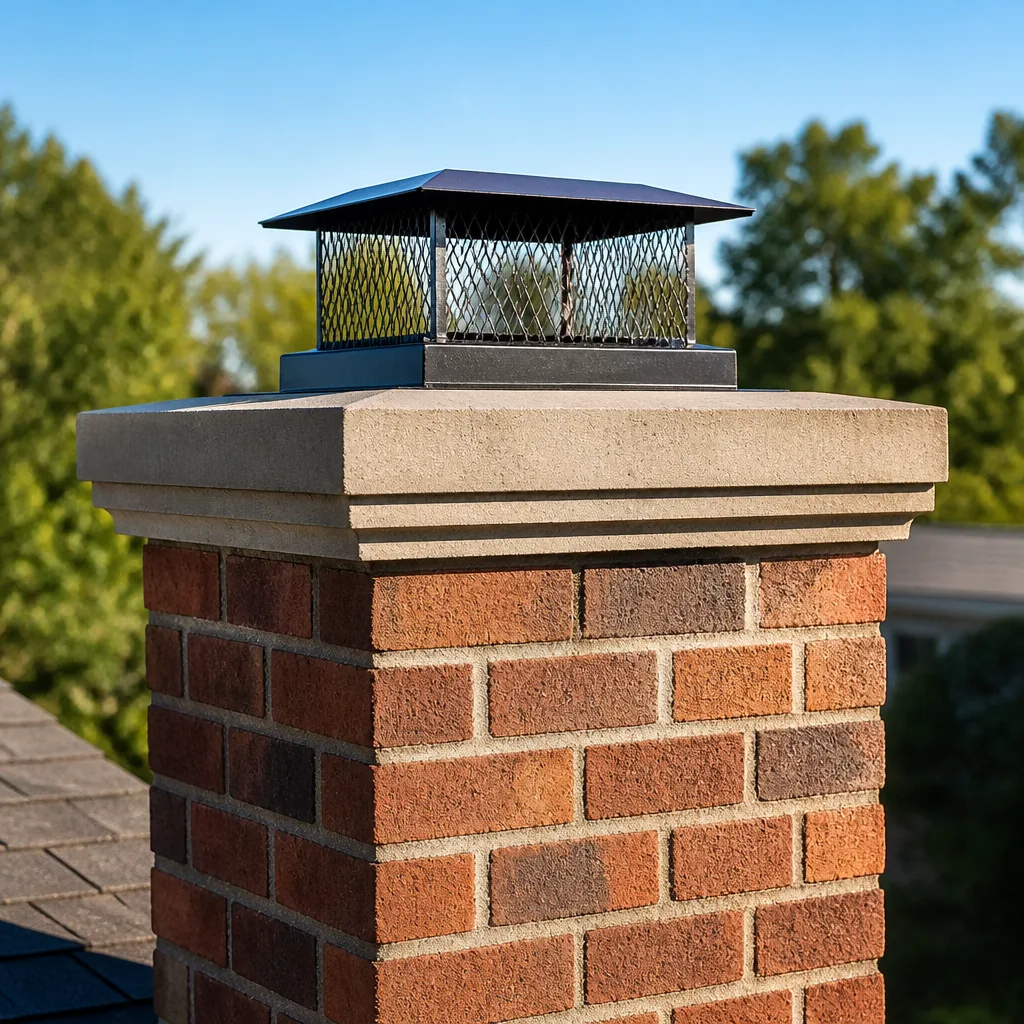 Caps & crowns
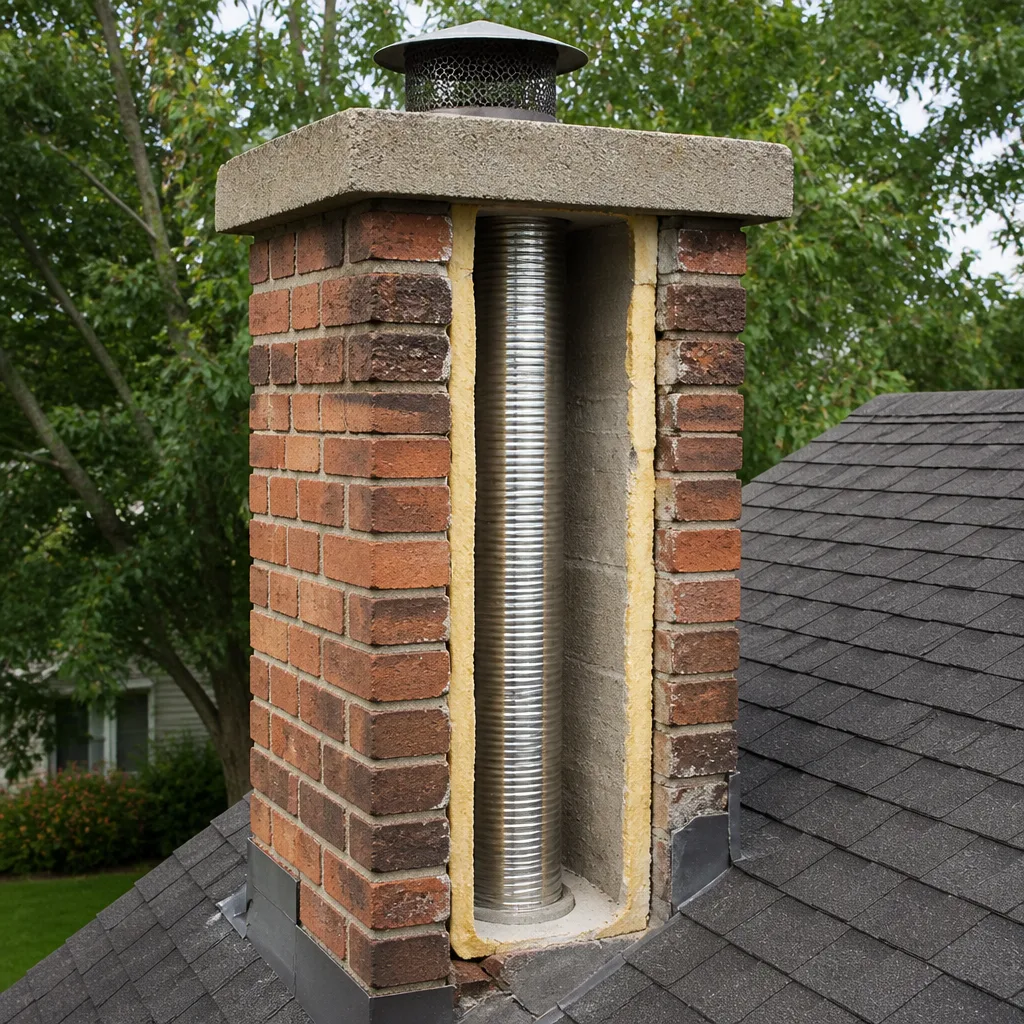 Flue relining
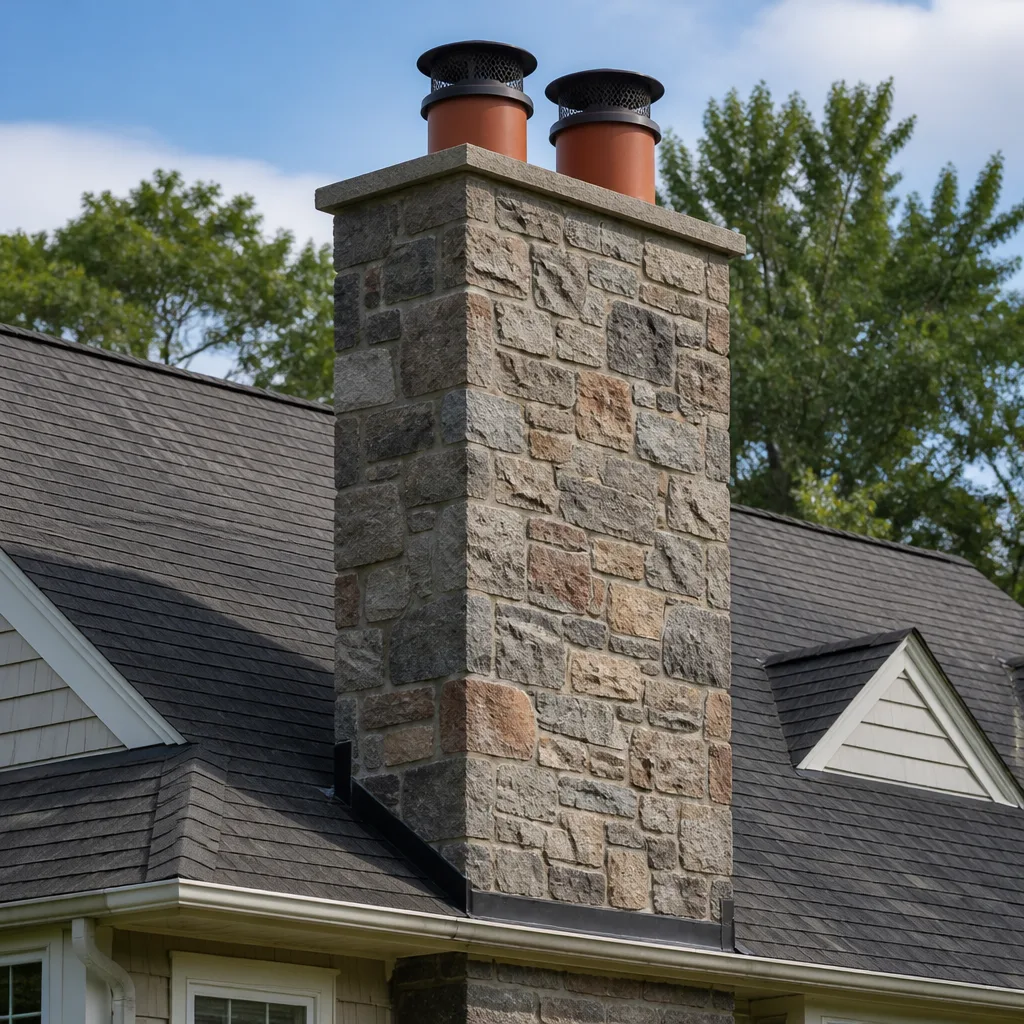 Masonry repair
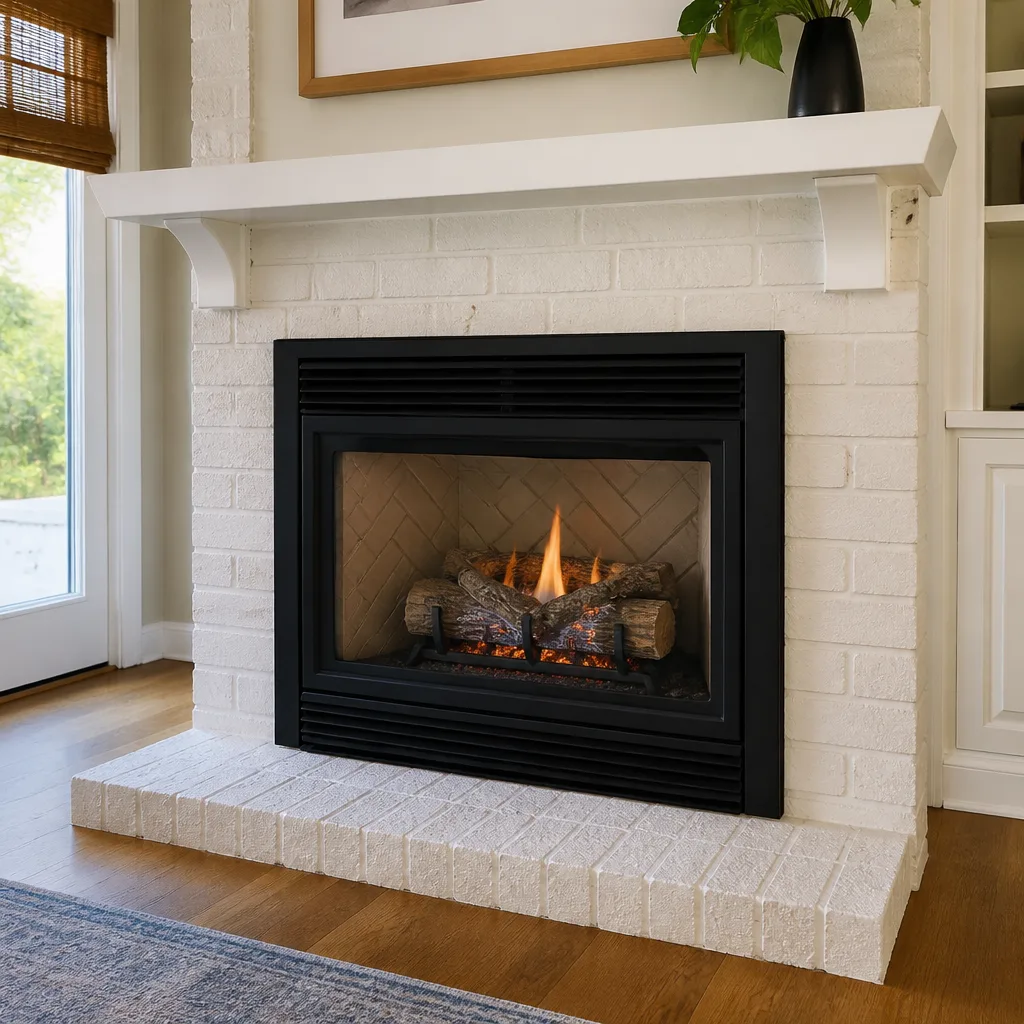 Gas fireplace service
Level 1 sweep and inspection to the NFPA 211 annual standard - flue, crown, cap, and flashing checked and photographed
Chimney sweep logs do not sweep chimneys. They loosen some creosote - which then falls where a brush and vacuum still have to collect it.
Chimney Cleaning Warning Signs: A Springfield Homeowner’s Reference Guide
A white stain running down the outside of your chimney isn’t cosmetic. It’s efflorescence, and it means water has been moving through your masonry long enough to carry dissolved salts to the surface with it. That’s the thing about chimney problems in Springfield: they almost never announce themselves with flames or a dramatic smell. They show up as a chalky streak on the brick, a faint tar-like odor on a humid day, a fire that takes two matches instead of one. By the time a problem is obvious, it’s usually been developing for a season or more. This guide names the specific things to look at inside the firebox, on the exterior masonry, and in the way your home draws air, so you can tell the difference between “schedule a sweep” and “stop using this fireplace tonight.”
Quick Answer
The most common chimney cleaning warning signs are glazed or tar-like creosote inside the flue, a strong smoky odor even when the fireplace is cold, smoke spilling into the room instead of going up, white efflorescence or crumbling mortar on the exterior, and a fire that struggles to start or burns lazily. Any of these means the chimney is overdue for a sweep and inspection. Smoke backing into the room, a smell of gas, or visible damage to the flue should prompt you to stop using the appliance until a professional looks at it.
Styles & brands we work with
- Sweep & inspection
- Caps & crowns
- Flue relining
- Masonry repair
- Gas fireplace service
Table of Contents
- What Creosote Buildup Actually Looks Like
- Exterior Masonry Warning Signs You Can See From the Ground
- Draft Problems: Smoke, Slow Fires, and Persistent Odors
- Sounds and Smells That Point to Specific Problems
- When Normal Use Can Wait and When to Shut the Appliance Down
- Springfield Climate and the Burning Season
- What an Inspection Reveals That a Sweep Alone Won’t
What Creosote Buildup Actually Looks Like
Creosote is the residue left behind when wood smoke cools on its way up the flue. It doesn’t build evenly, and it doesn’t look the same from one chimney to the next. That’s why “is my chimney dirty?” isn’t a yes-or-no question. What matters is which stage of creosote has formed, because the stages behave very differently and one of them can’t be brushed away.
Most homeowners have never actually looked up their flue. A sweep with a camera will show you exactly what’s there, and the distinctions matter:
- Stage one creosote is soot and light flaky dust. It looks like gray-black powder and brushes off easily. This is what regular annual sweeping manages.
- Stage two creosote is a crusty, brittle, flaky deposit that clings to the flue wall. It looks like dried bark or dark flakes and takes more work to remove, but standard sweeping tools handle it.
- Stage three creosote is glazed, shiny, and hard. It looks almost like black glass or hardened tar fused to the tile. This is the stage that standard brushes cannot remove, because the deposit is denser than the tool can cut through. It requires rotary equipment or chemical treatment, and it substantially raises the risk of a chimney fire.
In our experience, stage three creosote forms most often in chimneys that burn unseasoned wood, run with a restricted air supply, or go a long stretch between sweeps. In Springfield, where a lot of homes still heat with wood through a long cold stretch, that pattern builds quietly across a season. If a sweep tells you the flue is glazed, that’s not a sales tactic – it’s a factual description of a deposit that needs more than a brush.
Exterior Masonry Warning Signs You Can See From the Ground
You don’t need to climb a ladder to catch most structural chimney problems. A walk around the house with your eyes on the chimney will tell you plenty, and what you see from the ground in Springfield is often the first real evidence that something is wrong inside.
The signs worth knowing:
- Efflorescence – a white or grayish powdery stain on the brick. This is the dissolved-salt signature of water that has been traveling through the masonry. It’s a moisture problem, not a cleaning problem, and it will keep recurring until the water source is addressed.
- Spalling brick – brick faces peeling, flaking, or popping off. This is what freeze-thaw damage looks like. Springfield winters cycle above and below freezing repeatedly, and water trapped in brick expands when it freezes. Spalling means the brick has already been through that cycle many times.
- Crumbling or missing mortar joints – soft, sandy, receding mortar between the bricks. This is the mortar doing its job of being sacrificial, but once it’s gone, the brick and the flue tile behind it are exposed.
- A cracked or tilting crown – the concrete cap at the top of the chimney. A crown that’s cracked, separated at the edge, or sloping the wrong way lets water straight into the flue. This is the single most common entry point for moisture damage.
- Rust streaks or a loose cap – rust on a chimney cap or damper usually means water is getting where it shouldn’t. A cap that’s missing, bent, or rusted through isn’t keeping rain and animals out the way it should.
None of these signs mean the chimney is about to collapse. But each of them points to a problem that gets more expensive the longer it sits. A crown repair is a small job. A rebuilt chimney top after years of water intrusion is not. When we look at exterior masonry, we’re asking a simple question: is water getting in, and where?
Draft Problems: Smoke, Slow Fires, and Persistent Odors
Draft is the chimney’s whole job. It pulls combustion gases up and out of the house, and when it’s working you never think about it. When it’s not, you notice fast. The tricky part is that a draft problem can come from at least three different sources, and they call for different fixes.
Smoke Spilling Into the Room
Smoke rolling out of the firebox instead of going up the flue is a draft failure. It can be a blockage, a damaged liner that’s letting air in where it shouldn’t, or a house that’s simply too tight and pulling against the chimney’s draw. A cold flue that hasn’t warmed up yet can cause a little spill on first light, but if it happens consistently, that’s a sign worth investigating. It also means combustion gases – including carbon monoxide – may be entering the living space, which is why we treat it as a stop-and-look problem rather than a nuisance.
Slow-Starting or Lazy Fires
A fire that smolders, struggles to catch, or burns low and smoky is often a sign that the flue isn’t drawing properly. Sometimes it’s wet wood. Sometimes it’s a partially blocked flue. Sometimes it’s a flue that’s too large or too small for the appliance. Wood that smolders also deposits more creosote than wood that burns hot and clean, so a lazy fire is both a symptom and a cause.
Persistent Odors When the Fireplace Is Cold
A smoky, acrid smell coming from a fireplace that hasn’t been used in weeks is a classic sign that the chimney is dirty or that a negative-pressure situation is pulling air down the flue. A dirty flue holds onto the smell of every fire you’ve burned, and on a damp day the whole house can smell like it. Springfield’s humid summers make that worse.
The good news is that these three problems – blockage, liner damage, and pressure issues – are distinguishable with a proper inspection. We don’t guess at them. We look at the flue with a camera and see what’s actually there, and then we explain what it means.
Sounds and Smells That Point to Specific Problems
Your ears and nose pick up on things before your eyes do. If you know what to listen and smell for, you’ll catch a few problems well before they turn into a repair estimate.
Sounds
- Scratching, scurrying, or flapping in the flue, especially on cold mornings or at dusk, often means an animal has gotten in. Birds, squirrels, and raccoons find uncapped chimneys appealing, and their nesting material both blocks the flue and creates a fire hazard. A properly sized Gelco or Famco chimney cap is the usual fix.
- A low roar or a sound like a train passing during a fire is a warning sign of a chimney fire. If you hear that, get everyone out and call the fire department.
- Water dripping or a gurgling sound inside the chimney can point to an active moisture problem – a failing crown, a missing cap, or a cracked flue tile letting rain in.
Smells
- A strong smoky smell when the fireplace is unused is the classic dirty-flue or negative-pressure sign already covered above.
- A musty, damp-earth smell points to water intrusion. Masonry that stays wet grows that smell, and it’s a reliable early indicator that moisture is getting into the chimney structure.
- A rotten-egg or gas smell is a different situation entirely. That’s a potential fuel leak, and it means you should stop using the appliance and address it immediately. It’s not a cleaning issue.
These signals are worth writing down before you call, because they help narrow down the problem. When a customer tells us “I hear something in the flue on cold mornings,” we know what to look for before we’re even out of the truck.
When Normal Use Can Wait and When to Shut the Appliance Down
Not every warning sign is an emergency. Some are “schedule a sweep and keep burning.” Others mean “stop using this fireplace until someone looks at it.” Getting that distinction right keeps you safe without shutting down a fireplace that’s perfectly fine to use for another few weeks.
Signs that allow normal use until your sweep appointment
- Light sooty deposits in the firebox or on the glass doors.
- A faint smoky smell from the fireplace in warm weather.
- A fire that takes an extra minute or two to catch.
- White staining or efflorescence on the exterior that has been there a while without changes.
- Mild mortar wear you can see from the ground that isn’t worsening fast.
With any of these, book a sweep and an inspection and keep an eye on things in the meantime. Don’t let it slide for a whole season.
Signs that mean shut the appliance down
- Smoke spilling consistently into the room when you use the fireplace or insert.
- A strong smell of gas, or any indication of a fuel leak at a gas appliance.
- A sound like a roaring fire inside a flue that shouldn’t be burning.
- Visible cracks or broken sections in the flue tile when you look up the flue with a light.
- Water actively running into the firebox during rain.
- Any evidence of an animal nest sitting in the flue.
If you’re not sure which side of that line you’re on, err on the side of stopping. The fireplace will still be there tomorrow. The same can’t always be said once combustion gases are getting into a house. A phone call is a lot cheaper than a repair, and it’s a lot cheaper than the alternative.
Springfield Climate and the Burning Season
Springfield’s climate puts real demands on a masonry chimney. Cold, wet winters follow warm, humid summers, and that back-and-forth does more damage to brick and mortar than a steady temperature ever would. The freeze-thaw cycle is the main culprit: water gets into brick or a cracked crown, freezes overnight, expands, and opens the crack a little wider. Repeat that through a winter and a hairline crack in the crown becomes a path that takes water straight into the top of the flue.
The burning season runs long enough that a chimney can accumulate meaningful creosote before it’s checked. The best window to schedule a chimney sweep is before the first serious cold snap – late summer into early fall – so the flue is clean and inspected before you start burning in earnest. Getting it done then also means any repair a sweep turns up has time to be scheduled and completed without a rush.
Summer humidity matters too. A chimney that leaked through the winter stays damp into July, and masonry that stays damp grows that musty smell and gets a little weaker each year. If your fireplace smells funny in the middle of a humid stretch, it’s worth paying attention to. That smell is telling you something about the condition of the flue and the masonry around it.
The other Springfield-specific factor is that a lot of older homes here have masonry chimneys that were built for wood and have since had a gas insert or a newer appliance added to them. That’s not automatically a problem, but it does mean the flue needs to be sized, lined, and inspected for the appliance it’s actually serving, not the one that was originally there.
What an Inspection Reveals That a Sweep Alone Won’t
A sweep cleans. An inspection tells you what the sweep couldn’t see or couldn’t fix. Good chimney service includes both, and the reason is simple – a brush going up a flue can’t tell you whether a tile behind it is cracked, whether a flue joint has opened, or whether an offset in the flue is holding creosote the brush never touched.
Here’s how a proper inspection typically goes:
- A camera is sent down the flue. This gives a real picture of the flue interior, not a guess from the firebox.
- The technician looks for cracks, broken tiles, gaps at joints, and offsets that can trap creosote or cause draft problems.
- The firebox, damper, smoke chamber, and crown are checked for damage and for any sign that water has been getting in.
- The appliance connection is checked if you have an insert or a wood stove, so the flue and the appliance are matched properly.
- What’s found is explained to you – what’s wrong, what it means, and what can reasonably wait.
The camera is where the trust gets built. A lot of homeowners have been told they need a full liner when what they actually had was minor tile damage. When the inspection is on camera, you see what the technician sees, and you’re not taking anyone’s word for it.
This is also where a chimney specialist adds real value over a generalist. Cracks in flue tile can sometimes be resurfaced with HeatShield, which restores deteriorated tile without a full relining job. For chimneys with offsets or bends in the flue path, a flexible liner like an Olympia Chimney or DuraFlex system can run through configurations a rigid liner can’t. Those options only show up on the table if the person looking at the chimney knows the product lines.
If the inspection turns up something that needs more than a cleaning, our chimney repair service covers crowns, caps, masonry, and liners, so you’re not coordinating two different contractors for one chimney.
Common Mistakes to Avoid
- Judging chimney condition by the firebox alone. The firebox is the easiest part to see, and often the cleanest part of the system. The real problems are up the flue, in the smoke chamber, and at the crown, so a quick peek at the firebox tells you very little.
- Burning unseasoned or wet wood. Wet wood burns cool and smolders, and that lays down creosote fast. In Springfield, wood that was stacked in the fall and burned in the winter is usually still too wet. Seasoned wood burns hot and leaves far less behind.
- Assuming a white stain is just cosmetic. Efflorescence is moisture moving through masonry, and if the source isn’t fixed it keeps coming back and the masonry keeps weakening.
- Waiting for a chimney fire before scheduling a sweep. A chimney fire is what happens when the warning signs were already there. Every sign we’ve covered shows up before that, and acting on any of them is a chance to avoid one.
- Skipping the inspection to save time. A sweep without an inspection is a guess about the future. You know the flue is clean, but not whether it’s sound.
- Hiring a general handyman for chimney work. Chimney work needs chimney-specific tools, product lines, and experience. A handyman with a brush and a ladder may clean a firebox, but the flue, the liner, and the crown call for a specialist.
- Assuming a gas insert doesn’t need attention. Gas appliances still have a flue, still need their liners checked, and can still put carbon monoxide into a house if something’s wrong. The signs are just different.
See the difference
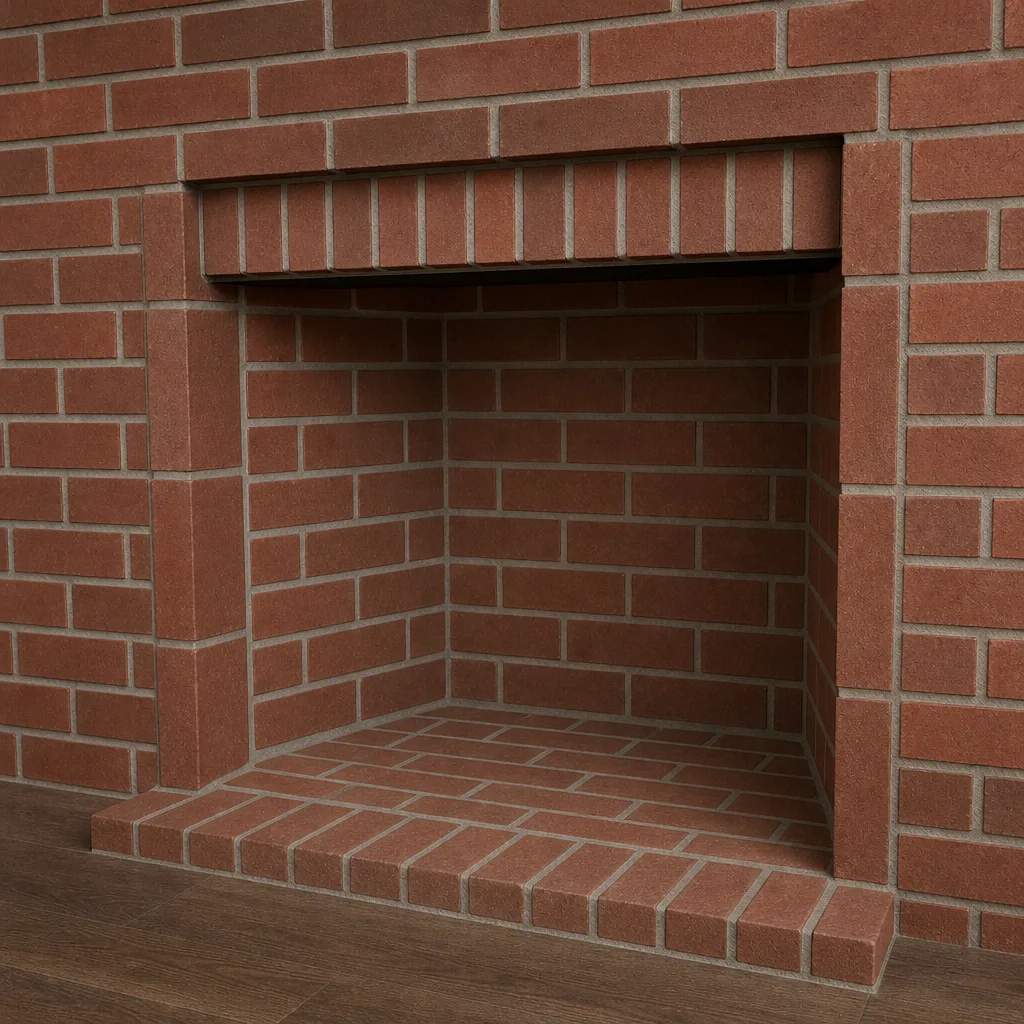
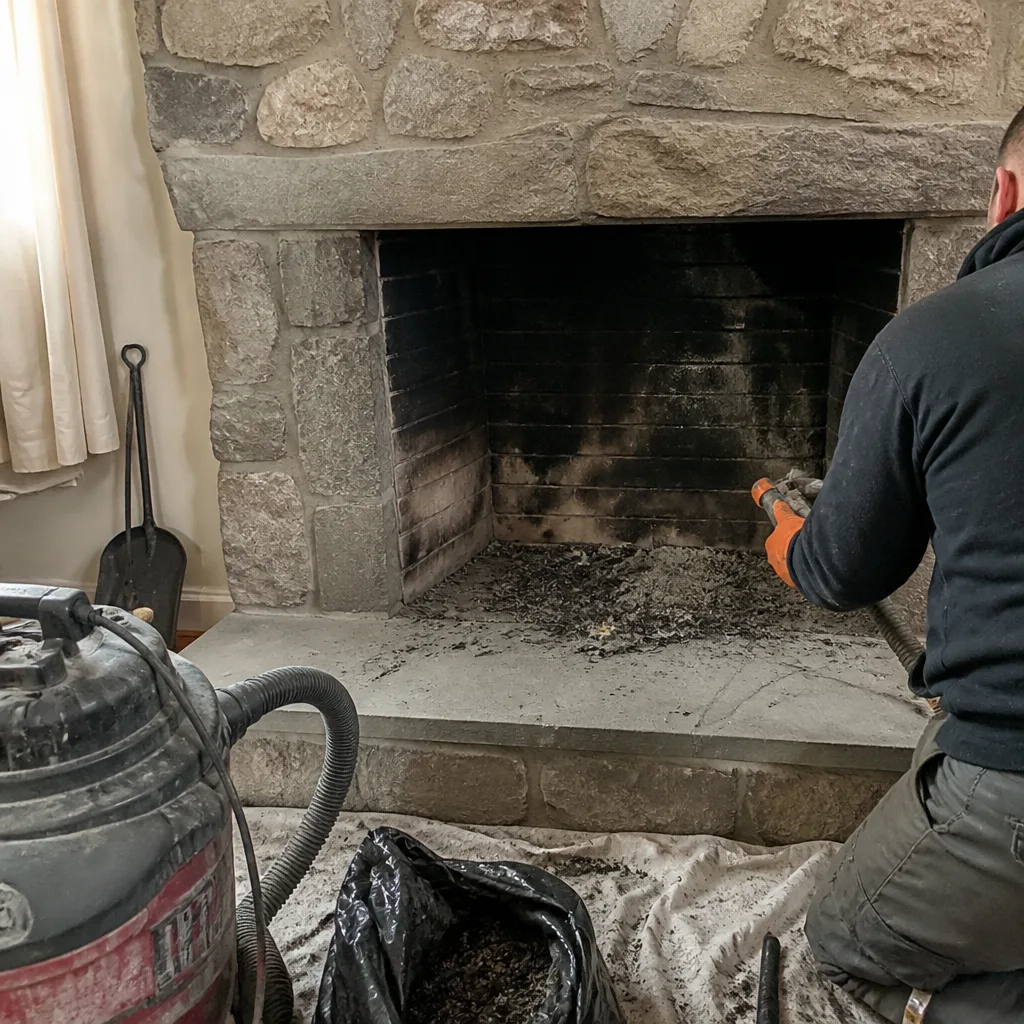 Before
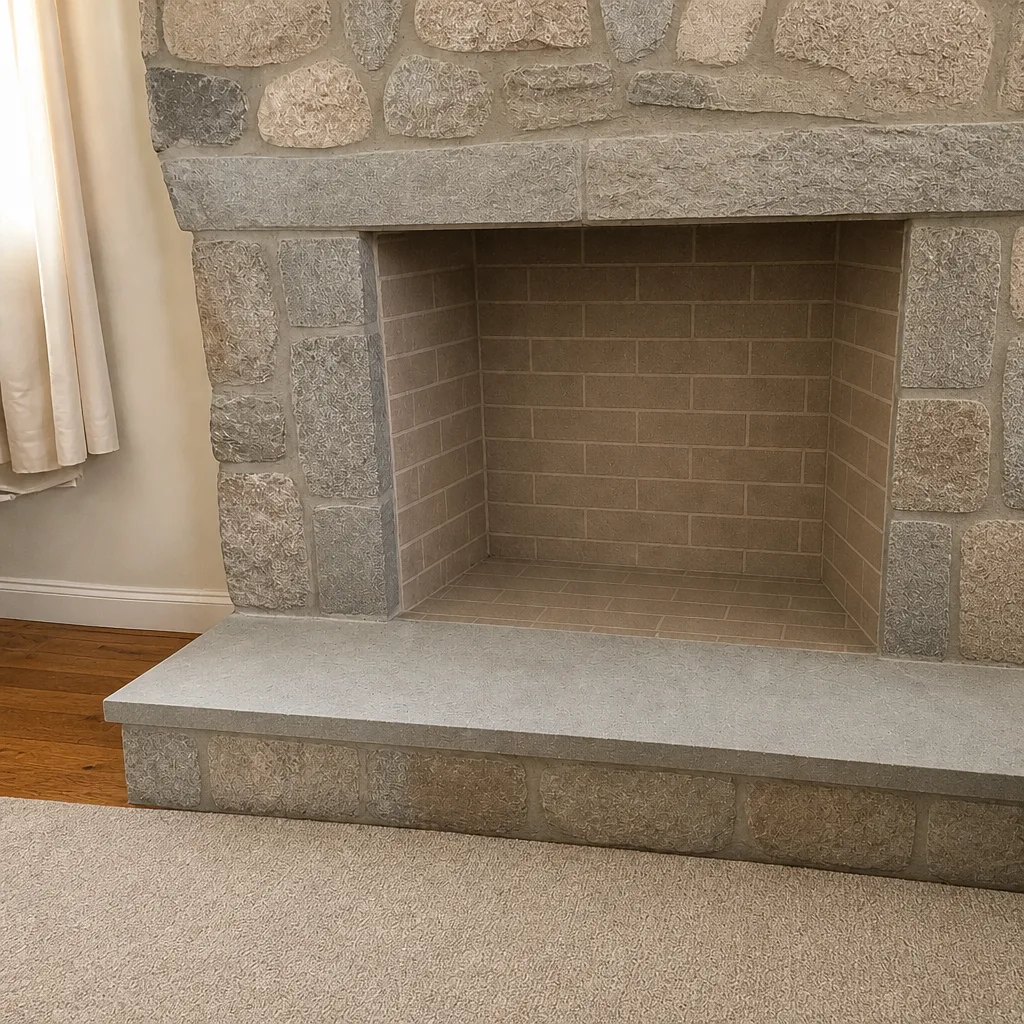 After
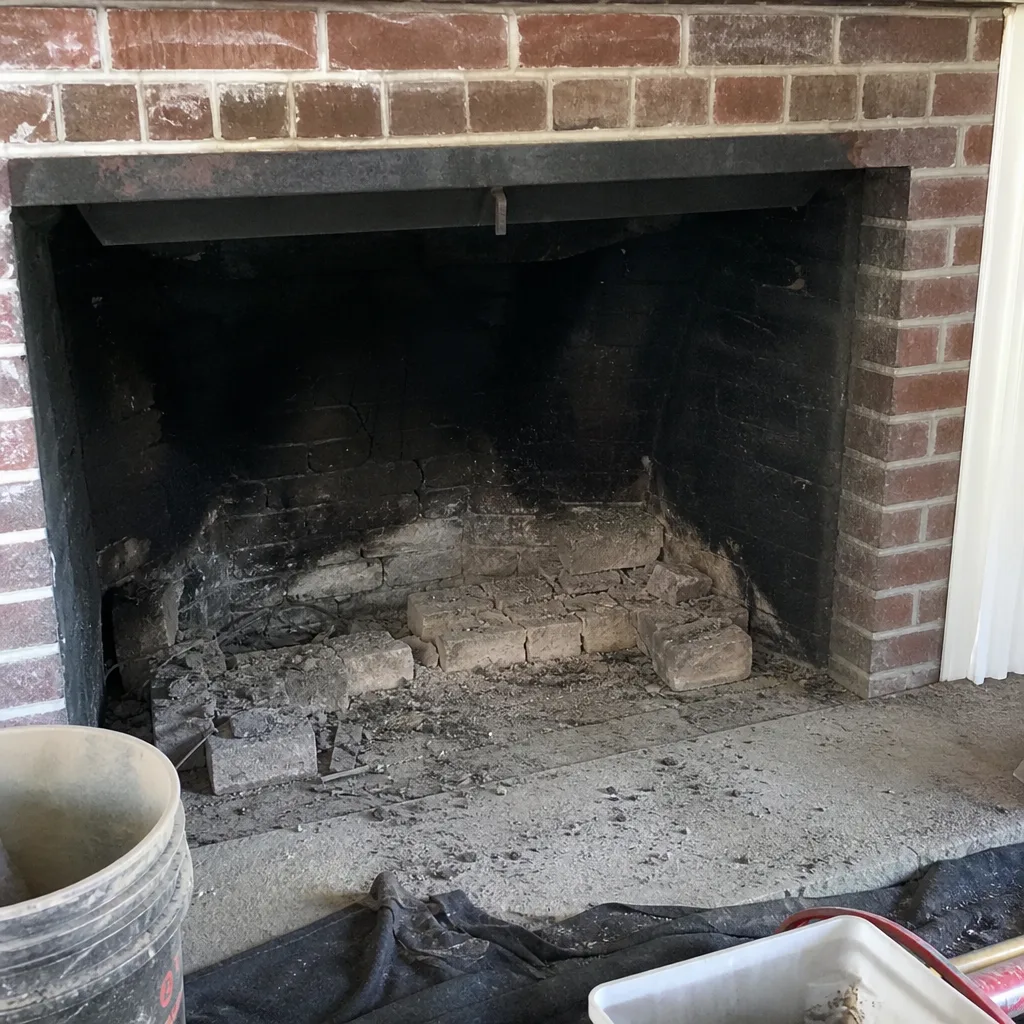
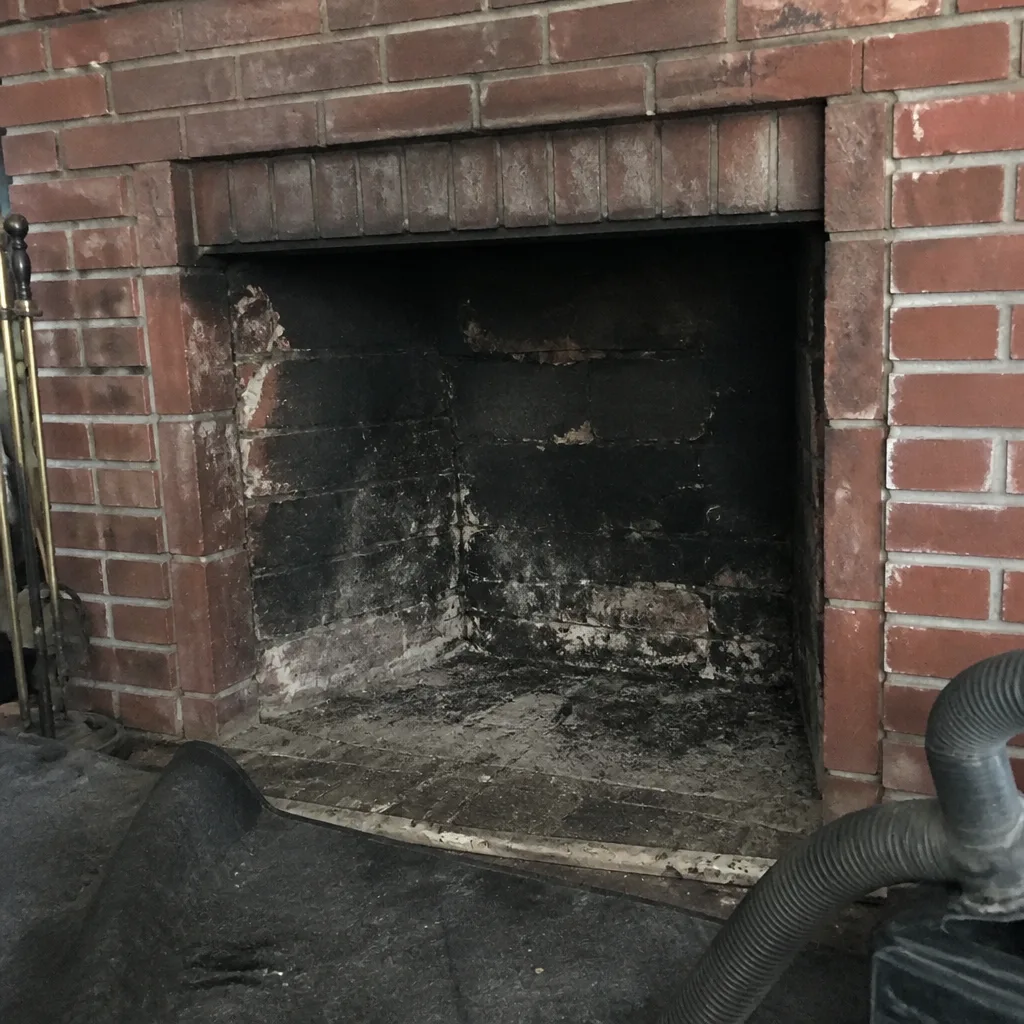 Before
 After
 Before
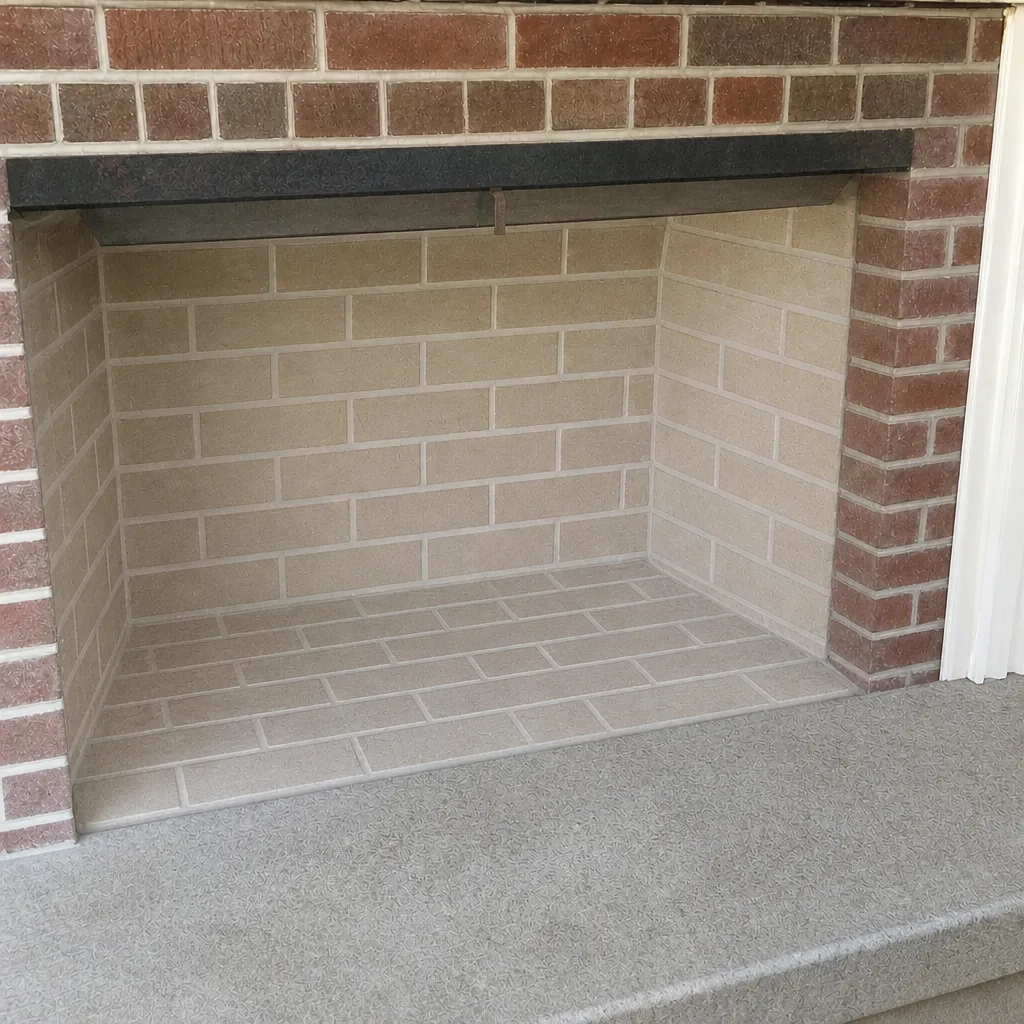 After
When to Call a Professional
Call a professional chimney company if you see smoke backing into the room, hear a roaring sound during a fire, smell gas, see water getting into the firebox, or spot cracking or crumbling on the exterior masonry. Call if it’s been more than a year since your last sweep, if you moved into a house and don’t know when the chimney was last checked, or if it’s been a long burning season and you haven’t had the flue looked at. Call if you’ve changed appliances, added an insert, or noticed a persistent smell coming from a fireplace that hasn’t been used in weeks. Lockhart Chimney Sweep offers free estimates in Springfield – call (855) 360-8122 to schedule a sweep and inspection. We answer 24/7, with fast dispatch from 7am to 7pm.
Frequently Asked Questions
Most wood-burning chimneys should be swept once a year, or more often if you burn heavily through the winter. Gas appliances still need an annual inspection even though they produce far less creosote. The best time to schedule is before the burning season starts in late summer or early fall.
Call (855) 360-8122 for an exact quote – estimates are free.
Glazed creosote looks like a shiny black glassy layer inside the flue, and yes, it’s the most hazardous form because it’s dense and highly combustible. It’s also the hardest to remove – standard brushes can’t cut through it, so it takes rotary equipment or chemical treatment.
Call (855) 360-8122 for an exact quote – estimates are free.
Yes. Creosote is what burns during a chimney fire, and enough of it in the flue is what turns a routine cleaning issue into a fire risk. Stage three glazed creosote is the most dangerous because it’s dense, hard, and highly combustible. Regular sweeping is the straightforward way to keep it down.
Call (855) 360-8122 for an exact quote – estimates are free.
No, a persistent smoky smell from a fireplace that hasn’t been used usually means the flue is dirty or that negative pressure in the house is drawing air down the chimney. Spring and summer humidity in Springfield makes the smell worse. A sweep plus an inspection will tell you which of those it is.
Call (855) 360-8122 for an exact quote – estimates are free.
Efflorescence is the white powdery stain left when water has moved through masonry and deposited dissolved salts on the surface. It means moisture has been getting into the brick and mortar, and it won’t stop until the water source – usually a crown, cap, or flashing problem – is fixed.
Call (855) 360-8122 for an exact quote – estimates are free.
Scratching, scurrying, or flapping sounds in the flue – especially on cold mornings or near dusk – are typical signs of an animal. A nest in the flue blocks the chimney and presents a fire risk, so it’s worth addressing quickly. A properly fitted chimney cap prevents it from happening again.
Call (855) 360-8122 for an exact quote – estimates are free.
The Bottom Line
Most chimney problems in Springfield show up as signs long before they become dangerous: glazed creosote in the flue, efflorescence or spalling on the exterior, smoke spilling into the room, persistent odors, animals in the flue. Learn what those signs look like and you’ll catch problems while they’re still a cleaning or a small repair. Some signs mean “schedule a sweep.” Others mean “stop using the appliance right now.” The camera inspection is what tells you which is which, and it lets you see the flue for yourself rather than taking someone’s word for it. A clean flue is the starting point. An inspection tells you whether it needs to be more than that.
If you’re in Springfield and any of these signs look familiar, our team can help. Call Lockhart Chimney Sweep at (855) 360-8122 for a free estimate. We answer 24/7, with fast dispatch from 7am to 7pm, Sunday through Friday. You can also learn more about our Springfield service area or read about what Lockhart Chimney Sweep does on every job.
Written by the team at Lockhart Chimney Sweep.