
Last updated November 16, 2026
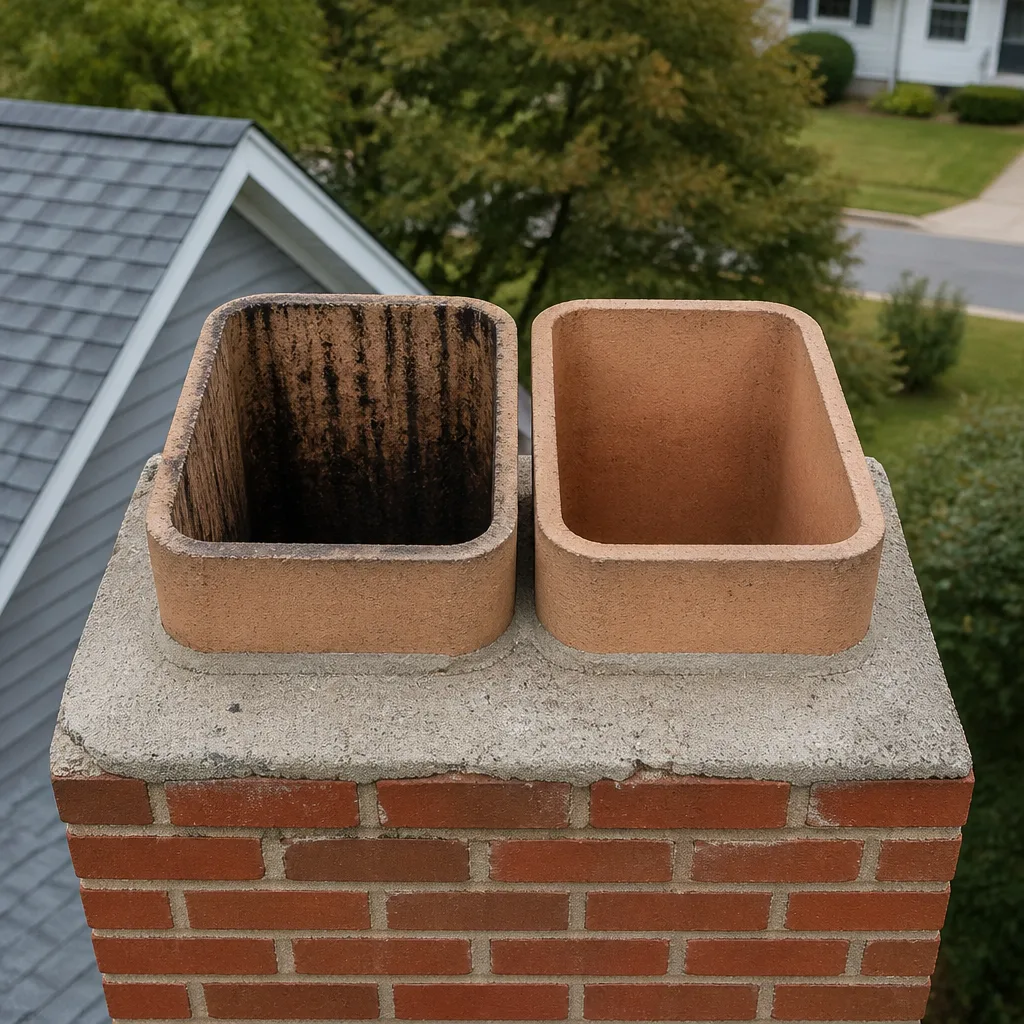 Sweep & inspection
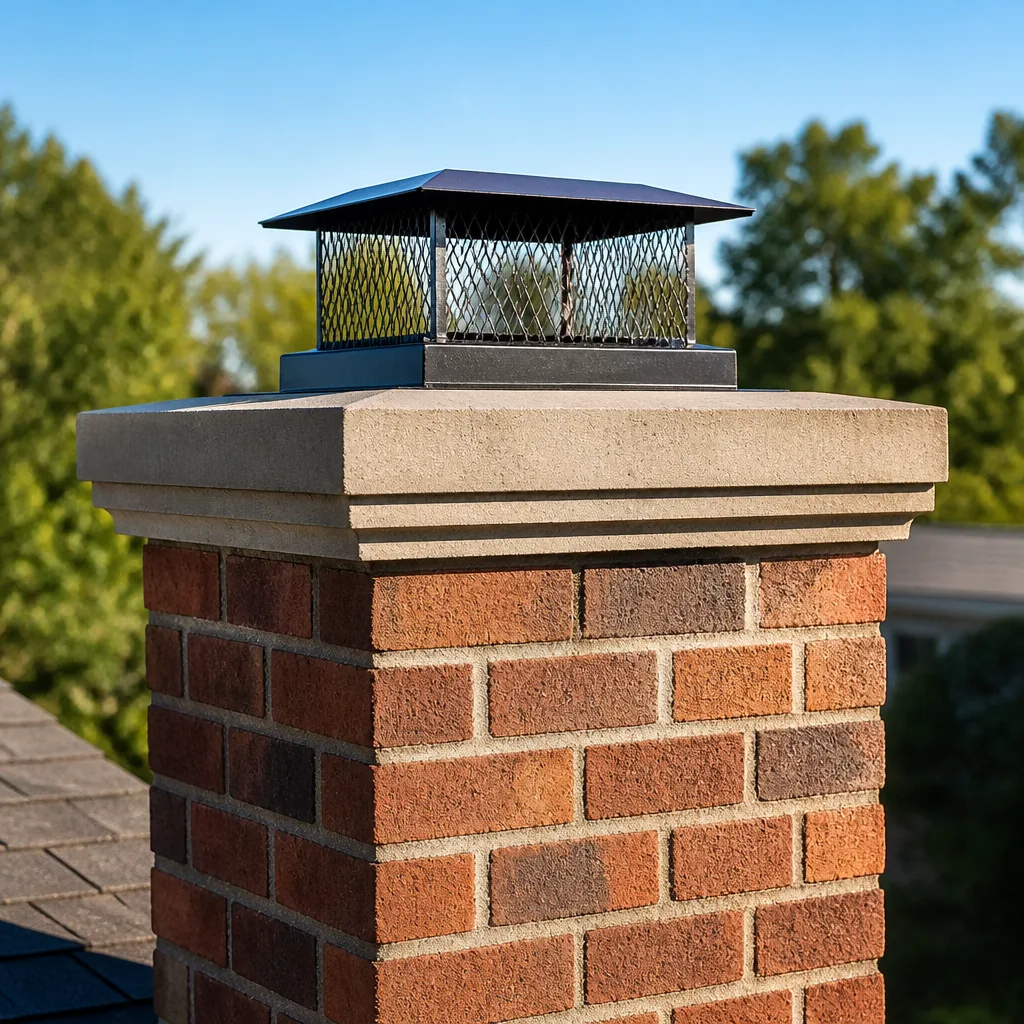 Caps & crowns
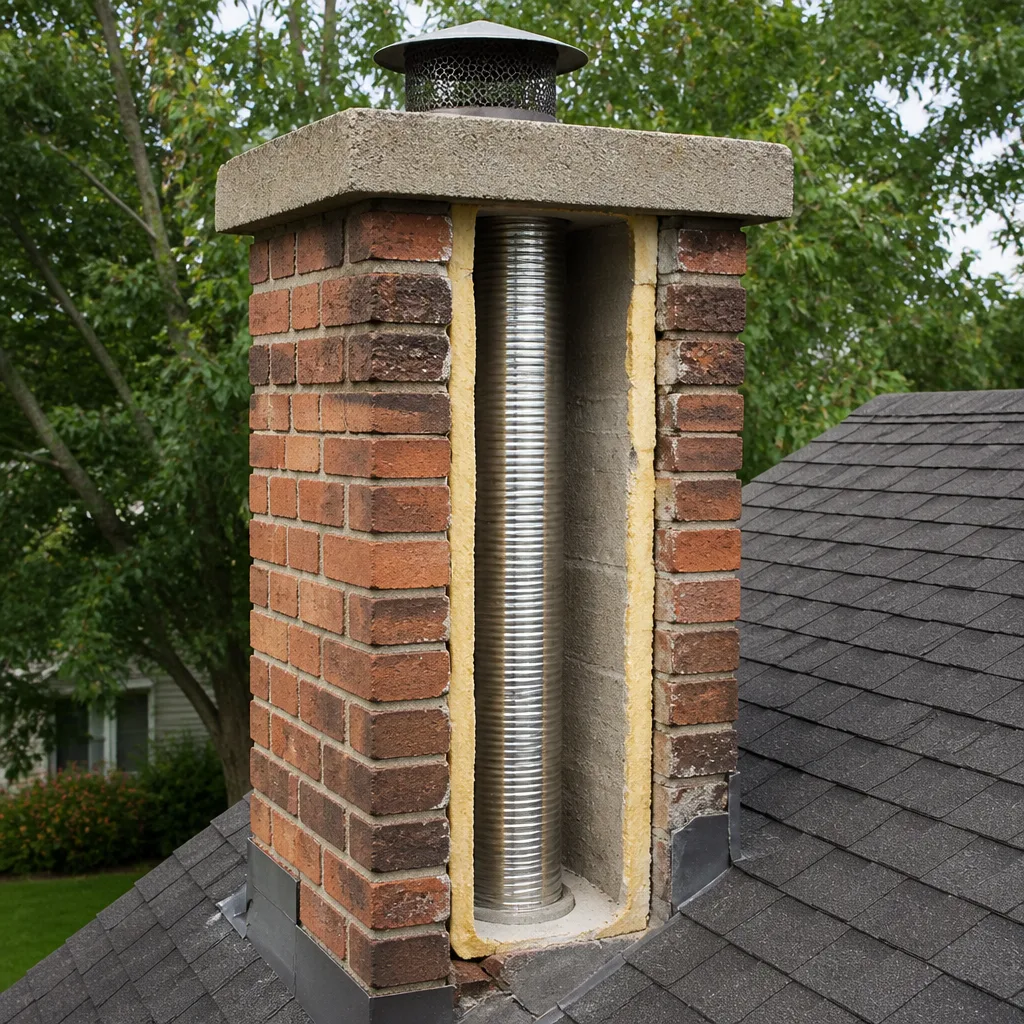 Flue relining
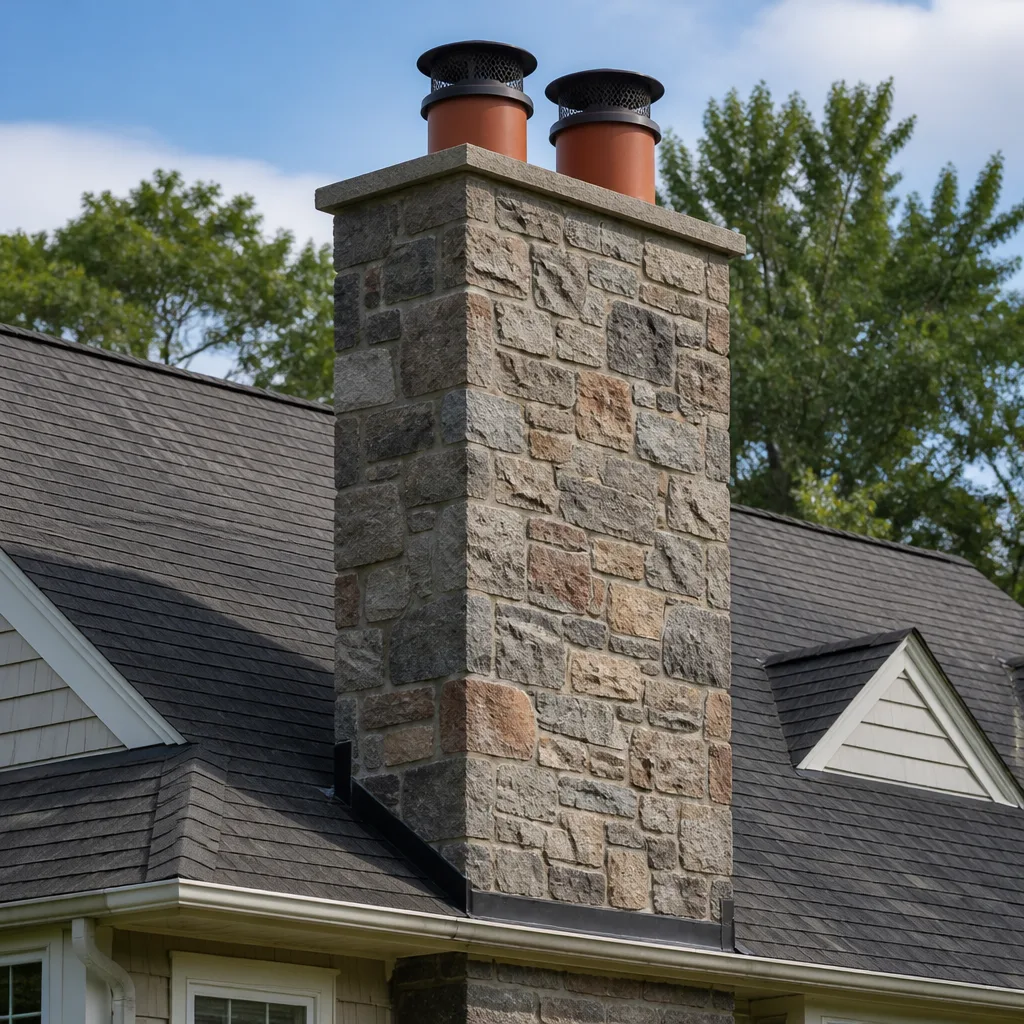 Masonry repair
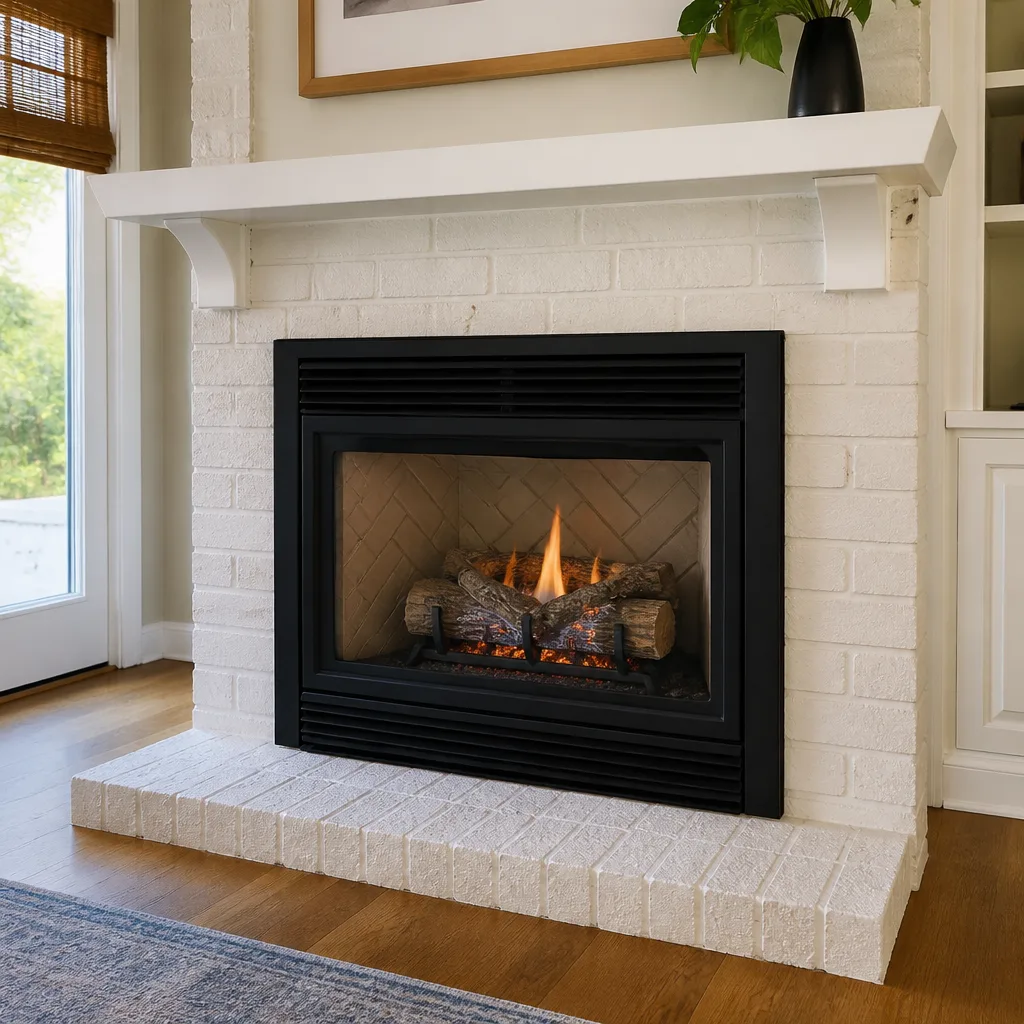 Gas fireplace service
Level 1 sweep and inspection to the NFPA 211 annual standard - flue, crown, cap, and flashing checked and photographed
Chimney sweep logs do not sweep chimneys. They loosen some creosote - which then falls where a brush and vacuum still have to collect it.
Chimney Cleaning Permits, Codes & Inspections in Springfield, MA: What You Need to Know
A chimney sweep can clean your flue without pulling a permit. The moment that same visit turns into a reline, a crown rebuild, or a cap system replacement, the regulatory picture changes completely. Most Springfield homeowners don’t learn that until they’re signing a disclosure form at closing, and the paperwork trail is thin. This guide walks through which chimney services in Springfield require a building permit, how the Massachusetts State Building Code applies to liner work, what your local inspector actually checks, and what to keep in your home’s records so a future sale doesn’t stall. If you burn wood in Springfield, this is the paperwork side of chimney care that nobody explains until it matters.
Quick Answer
Routine chimney cleaning in Springfield does not require a building permit because it’s classified as maintenance. Structural and mechanical work that follows a sweep does require one: liner replacement, crown repair, cap system installation, and masonry rebuilding all fall under the Massachusetts State Building Code and need a permit from the city’s building department before work starts. A contractor who pulls the permit carries the liability; a contractor who talks you out of one is passing that risk onto you and your homeowner’s policy.
Styles & brands we work with
- Sweep & inspection
- Caps & crowns
- Flue relining
- Masonry repair
- Gas fireplace service
Table of Contents
- What Chimney Work Requires a Permit in Springfield?
- How Does the Massachusetts State Building Code Apply to Chimney Liners?
- What Are Springfield’s Inspection Requirements for Wood-Burning Appliances?
- How Do You Confirm a Contractor Pulled a Permit?
- Rentals vs. Owner-Occupied Homes: Where the Rules Diverge
- What Documentation Should You Keep After Permitted Work?
- How Permit Gaps Affect Insurance and Home Sales
- Springfield Climate, Housing Stock, and Chimney Wear
What Chimney Work Requires a Permit in Springfield?
In Springfield, cleaning a flue is maintenance and does not require a permit. Relining that flue, rebuilding the crown, replacing a cap with a new mounting system, or repointing masonry above the roofline is construction work and does require one from the city’s building department. That divide is the single most important thing to understand about chimney permitting here, because it means the sweep visit itself is cheap on paperwork while the repair that usually follows is not.
Here’s how the work typically sorts out:
- No permit needed: routine sweeping, a visual inspection, a Level 1 or Level 2 camera inspection, minor mortar touch-up below the roofline, and replacing a cap that reuses the existing mounting hardware.
- Permit required: installing a new stainless liner (DuraFlex or Olympia Chimney, for example), a full crown rebuild or crown coat that changes the structure, masonry repointing above the roofline, firebox rebuild, damper replacement, and any work that changes the flue’s cross-section or height.
- Sometimes permit required: HeatShield resurfacing sits in a gray zone depending on how extensive the restoration is; your local inspector and the scope of the job decide. Ask the question before work starts, not after.
What qualifies as a “repair” versus “maintenance” is the point most Springfield homeowners get caught on. A chimney sweep is a maintenance call. A chimney repair that removes or replaces any part of the flue system usually isn’t. If a contractor tells you the work is exempt, ask them to show you the code section. If they can’t, that’s the answer to a different question.
How Does the Massachusetts State Building Code Apply to Chimney Liners?
Chimney liner replacement in Springfield falls under the Massachusetts State Building Code, 780 CMR, which adopts the International Residential Code for one- and two-family homes. In plain terms, that means any new liner must match the appliance it serves, carry a listing for the fuel type, maintain required clearance to combustibles, and be installed by a contractor who can show the work to a municipal inspector before the flue is closed up. When a local inspector has to sign off, the work isn’t finished until they do.
The practical consequence is that a liner job has three separate steps that all take time:
- Permit application. The contractor files with the Springfield building department and describes the appliance, the liner material, and the flue configuration.
- Rough-in inspection. Before the liner is sealed or the cap is installed, the inspector verifies clearance to combustibles, the liner listing, and any connections to the appliance.
- Final inspection. After the cap is set and the appliance is operational, the inspector signs off and the permit is closed out with the city.
Where this gets specific to Springfield’s older housing stock is offsets. Many homes in neighborhoods like Forest Park and the Lower Liberty Heights area were built with chimneys that bend or jog around the roof structure. A rigid liner can’t be pushed through those bends; a flexible system can. When we work on offsets, we source DuraFlex flexible liner systems precisely because the flue path isn’t a straight shot. The code doesn’t care whether the liner is rigid or flexible, only that it’s correctly listed and correctly installed, but the inspection will reveal if the contractor forced a fit that shouldn’t have happened.
One more thing about 780 CMR that catches people: liner replacement without a permit doesn’t just fail inspection. It can be cited as unpermitted construction, and the buyer’s lender at resale may require it be corrected before the sale closes. The cost of pulling the permit up front is small compared to a correction order years later. If you’re unsure whether your repair needs a permit, ask us before booking a chimney repair visit. We’ll tell you what we’re seeing and what it triggers.
What Are Springfield’s Inspection Requirements for Wood-Burning Appliances?
Springfield’s fire department distinguishes between rental and owner-occupied homes when it comes to wood-burning appliance oversight, but neither case exempts the homeowner from building code. The fire department’s role is life safety (checking clearances, venting, and installation), while the building department handles the structural and code-compliance side. Both can be involved when something goes wrong, and both matter if you’re buying or renting a home with a wood stove or fireplace insert.
For an owner-occupied home, the fire department’s involvement is usually reactive. If a chimney fire is reported, or a neighbor files a complaint, they’ll respond and assess. There’s no standing requirement that a wood-burning appliance be inspected annually by the fire department, but there is a well-established expectation that the homeowner maintains the system. Most chimney fires in Springfield start from creosote buildup that a routine sweep would have caught. That’s why we tell customers the sweep is the cheapest insurance they’ll ever buy on a wood-burning system.
For rental properties, the calculus changes. Landlords carry a higher duty of care, and a tenant complaint about smoke or a smell in the flue can escalate into a fire inspection quickly. If you own a rental in Springfield with a working fireplace or wood stove, keep dated records of the last sweep and the last inspection. It’s the first thing a fire marshal asks for and the first thing your liability carrier asks for when a claim comes in.
For both categories, the sweep and inspection are the same in practice. Our technicians have up to 9 years of experience and they leave every visit with a written record of what’s in the flue and what condition it’s in. That record is what you hand to the fire department, your insurer, or your real estate attorney if the question ever comes up. Ask us what’s inside your flue – we’ll tell you exactly what we find and what it means.
How Do You Confirm a Contractor Pulled a Permit?
You confirm a permit by asking the contractor for the permit number before work begins, then verifying it with the Springfield building department directly. That’s it. There’s no shortcut and no reason a legitimate contractor would hesitate to give you the number. The verification protects you, not them, and it takes one phone call.
Here’s the sequence that protects you best:
- Ask for the permit number before any work starts. A contractor who’s genuinely planning to pull a permit will have it in writing in the estimate.
- Call the Springfield building department and confirm the permit exists in your name and address. Ask what scope was described on the application; if it says “liner replacement” but your contractor is also planning a crown rebuild, that’s a red flag.
- Ask who the assigned inspector is and when the rough-in inspection is scheduled. A permit without an inspection is a piece of paper.
- Do not pay the final invoice until the final inspection is signed off. Make that a written term in the agreement, not a verbal understanding.
A contractor who discourages permits is a liability risk, full stop. They’re either unlicensed for the work, or they’re cutting corners on something the inspector would catch. Either case means you carry the liability for the finished job, and your homeowner’s policy may exclude damage from unpermitted work. When you call Lockhart Chimney Sweep, we’ll tell you plainly whether the work you’re describing needs a permit and we’ll file it if it does. If it doesn’t, we’ll say that too.
Rentals vs. Owner-Occupied Homes: Where the Rules Diverge
In Springfield, the permit rules are the same for a rental as for an owner-occupied home: liner work needs a permit, sweeping doesn’t. What differs is documentation and duty of care. Landlords need to hold onto the permit paperwork, the inspection record, and the sweep receipt, because a tenant complaint about a draft or a smell is a pathway to a fire inspection and then to a liability claim.
For owners, the documentation matters most at resale. When a buyer’s inspector flags an unpermitted liner, the sale stalls until the permit is closed out or the liner is replaced again with a permit. That’s the moment Springfield homeowners discover they had a paperwork problem all along. Some correction orders run through the full inspection cycle a second time, which means a real delay to the closing date.
For renters, the same facts give you leverage. If you’re renting a home in Springfield with a fireplace and you don’t have a clear record of when it was last swept, ask the landlord for it. A property owner who can’t produce one is a property owner who probably hasn’t had the flue looked at in a while, and that’s a safety question, not a paperwork one.
What Documentation Should You Keep After Permitted Work?
After any permitted chimney work in Springfield, keep five documents in one folder: the original permit application, the rough-in inspection sign-off, the final inspection sign-off, the contractor’s written scope and invoice, and the photographs of the flue before and after. The photo record matters because future buyers, insurers, and inspectors can’t see inside the chimney once the cap is back on. A dated before-and-after is the best evidence you’ll ever have.
Where these belong in a home’s maintenance record:
- Physically: a labeled folder with your other home-system records (HVAC, plumbing, electrical). Not a shoebox in the attic.
- Digitally: scanned PDFs in a folder you can email in two minutes. Real estate attorneys love a homeowner who can produce a clean PDF.
- With the disclosure packet: when you sell, the chimney file goes into the seller’s disclosure. Unpermitted work is a material fact in Massachusetts and needs to be disclosed.
- With your insurer: if your policy has a chimney-related exclusion or a rider, the permit and inspection records are how you demonstrate the work was done to code.
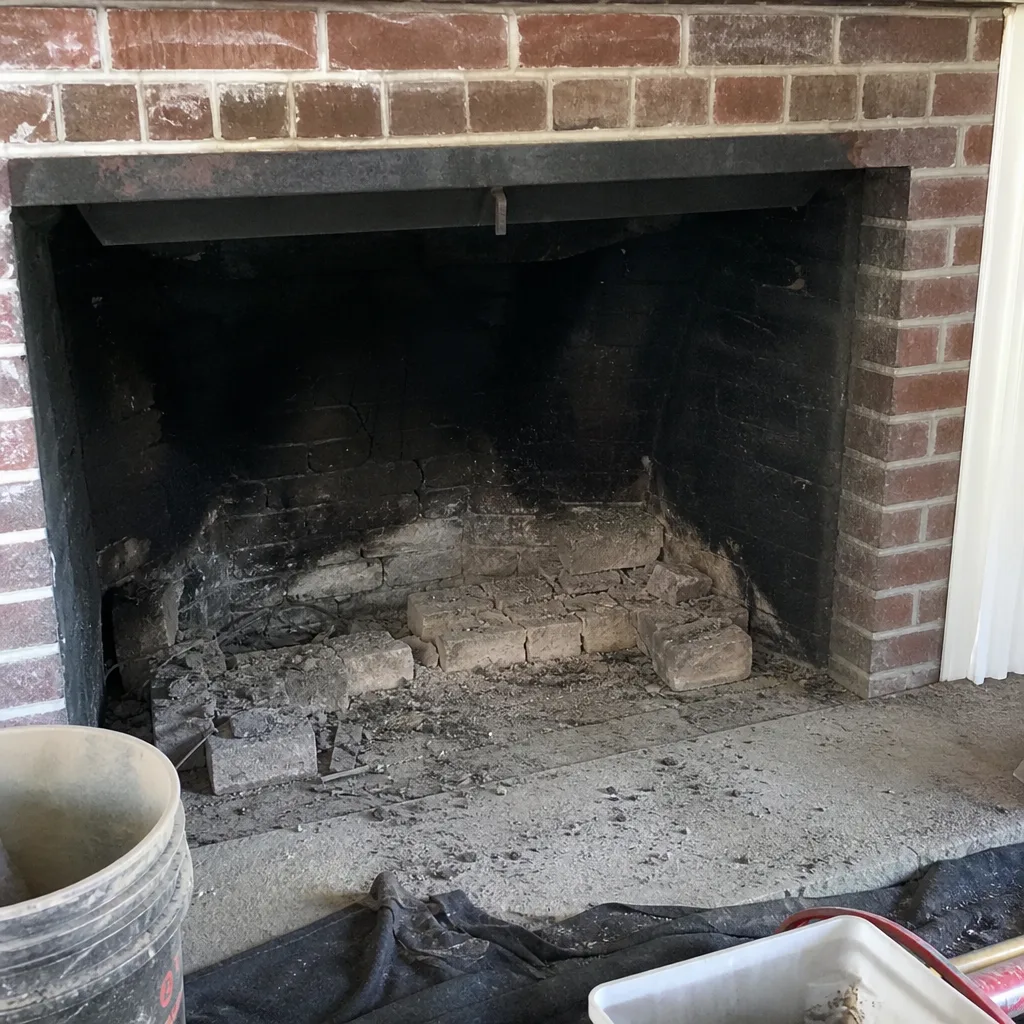
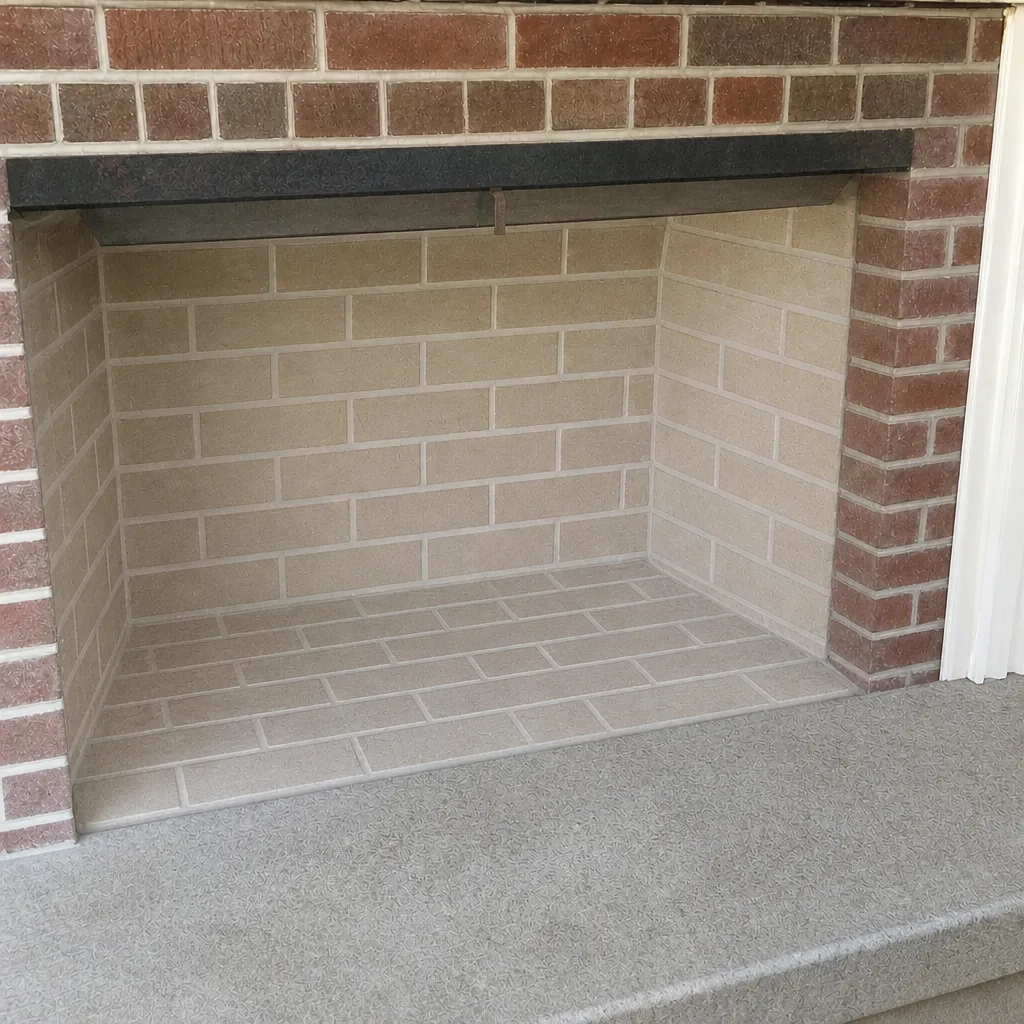
HeatShield resurfacing is a good example of why the record matters. HeatShield is a restoration system that rebuilds a deteriorated flue tile without a full liner replacement when the damage is caught early. If you have that work done, the inspector’s note that it was performed to the scope in the permit, plus the photos, is what proves to a future buyer that the flue was properly restored rather than patched. After a chimney sweep we’ll leave you a written condition report; that report becomes the first document in your folder.
How Permit Gaps Affect Insurance and Home Sales
Unpermitted chimney work in Springfield can void a homeowner’s policy for a chimney-related claim and stall a sale when a buyer’s inspector catches it. That’s the plain version. The insurance side is about disclosure and code compliance: most policies exclude damage from work that wasn’t permitted or wasn’t done to code, and a claim examiner investigating a chimney fire will ask for the permit and inspection record as a first step.
The real estate side is even less forgiving. In Massachusetts, sellers must disclose known material defects and any unpermitted work they’re aware of. A buyer’s home inspector will flag an unpermitted liner or crown almost immediately, and the closing gets delayed while the seller negotiates a correction or a price reduction. In a real estate transaction, that’s where most Springfield homeowners learn their flue was never properly permitted.
The good news is that the record is easy to build if you start now. A permit and inspection file for each piece of chimney work means the paperwork is already there when a buyer, an insurer, or a fire marshal asks for it. It’s the difference between handing over a folder and explaining away an absence.
Springfield Climate, Housing Stock, and Chimney Wear
Springfield’s winters are long enough and cold enough that most wood-burning fireplaces here see real use from October through March, and that use pattern puts real wear on the flue. Freeze-thaw cycles through the winter crack mortar joints on older masonry chimneys, and creosote builds up fast during a heavy-burn heating season. Neither of those is exotic in Massachusetts, but both are the reason a Springfield chimney needs a real inspection before each burning season, not just when something smells off.
Housing stock matters too. Springfield has a large share of homes built in the early and mid-20th century, many with original masonry chimneys and flues sized for coal or older appliances. When those flues are later connected to a wood stove or insert, the sizing can be wrong and the liner often needs to be updated. Flexible liner systems like DuraFlex or Olympia Chimney handle the offsets those older homes often have, and HeatShield resurfacing can restore deteriorated tile without pulling the whole liner. Those are the options worth knowing before you commit to full relining, and they’re the kind of thing a chimney-focused specialist will walk you through rather than a general contractor guessing at it.
If you’re in Springfield and you’re not sure what shape your flue is in, start with an inspection. It’s the least expensive way to learn what’s actually happening inside the chimney, and it’s the step that tells you whether the next thing you need is a sweep, a repair, or a permit.
Common Mistakes to Avoid
- Skipping the permit on a liner job because the sweep didn’t need one. The sweep visit is maintenance; the liner is construction. Conflating the two is the most common mistake we see in Springfield, and the correction costs more than the permit would have.
- Accepting a contractor’s word that “a permit isn’t required for a liner.” It almost always is under 780 CMR. Ask for the code citation. If they can’t produce one, get a second opinion before you sign.
- Not verifying the permit number with the city. A contractor who says they pulled it isn’t the same as a permit that exists. Call the Springfield building department and confirm it’s in your name and at your address.
- Paying the final invoice before the final inspection. Make the inspection sign-off a condition of final payment in writing. Verbal assurances have a way of drifting when the schedule gets tight.
- Letting the paperwork go into a shoebox. If you can’t produce the permit and inspection records in two minutes at a closing, they may as well not exist.
- Skipping the annual inspection because “it looked fine last year.” Freeze-thaw damage and creosote buildup don’t announce themselves. Springfield’s winter cycle is exactly what wears masonry down between looks.
- Hiring a general handyman for chimney work. A multi-trade contractor is not a chimney specialist, and the difference shows up in what they can spec, what they can install to code, and what they’ll do when the inspector asks a technical question.
See the difference
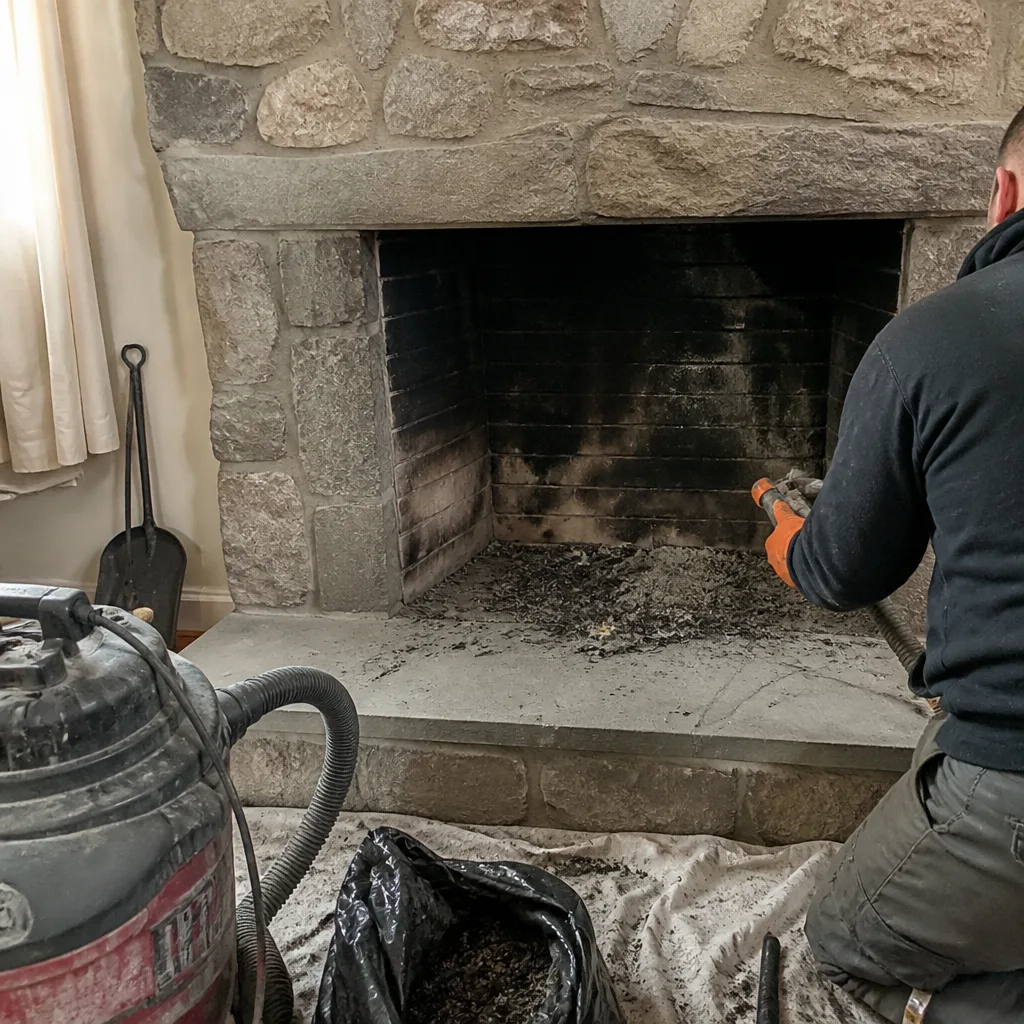 Before
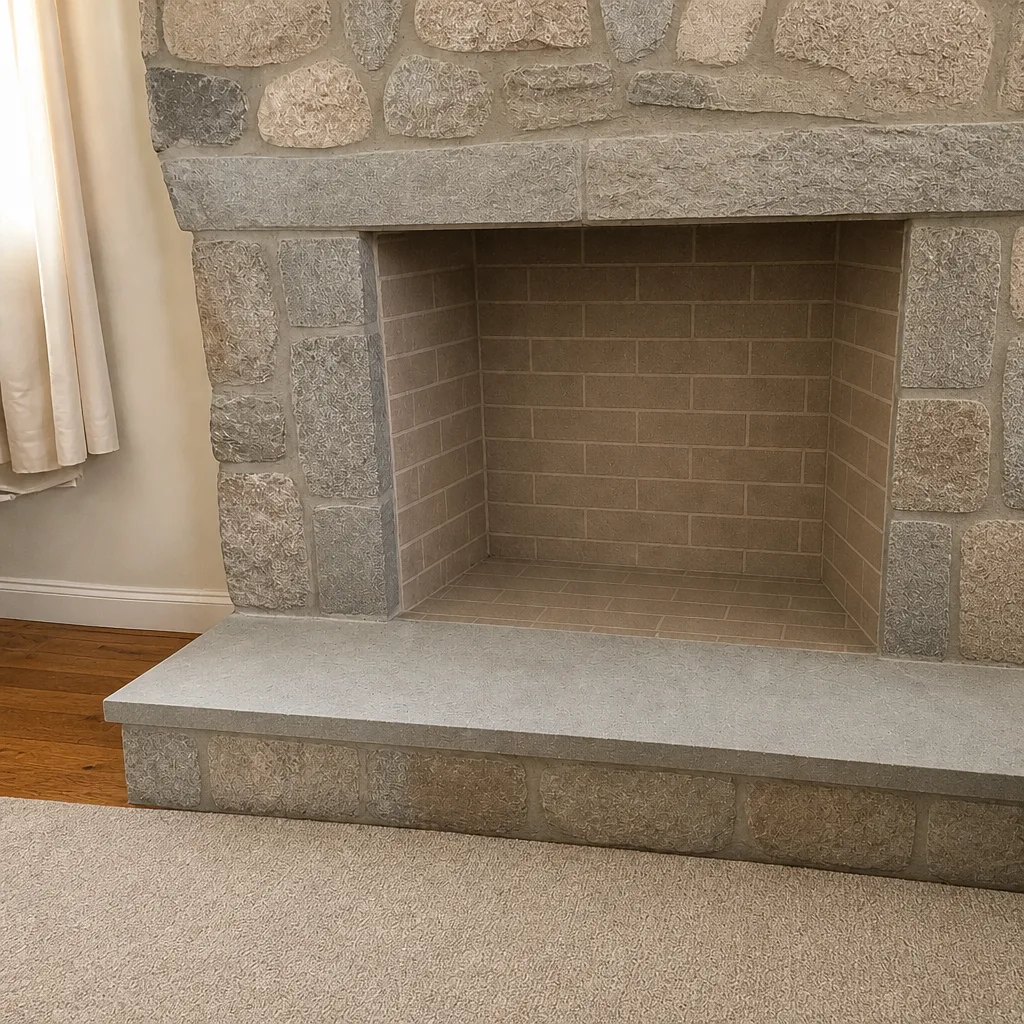 After
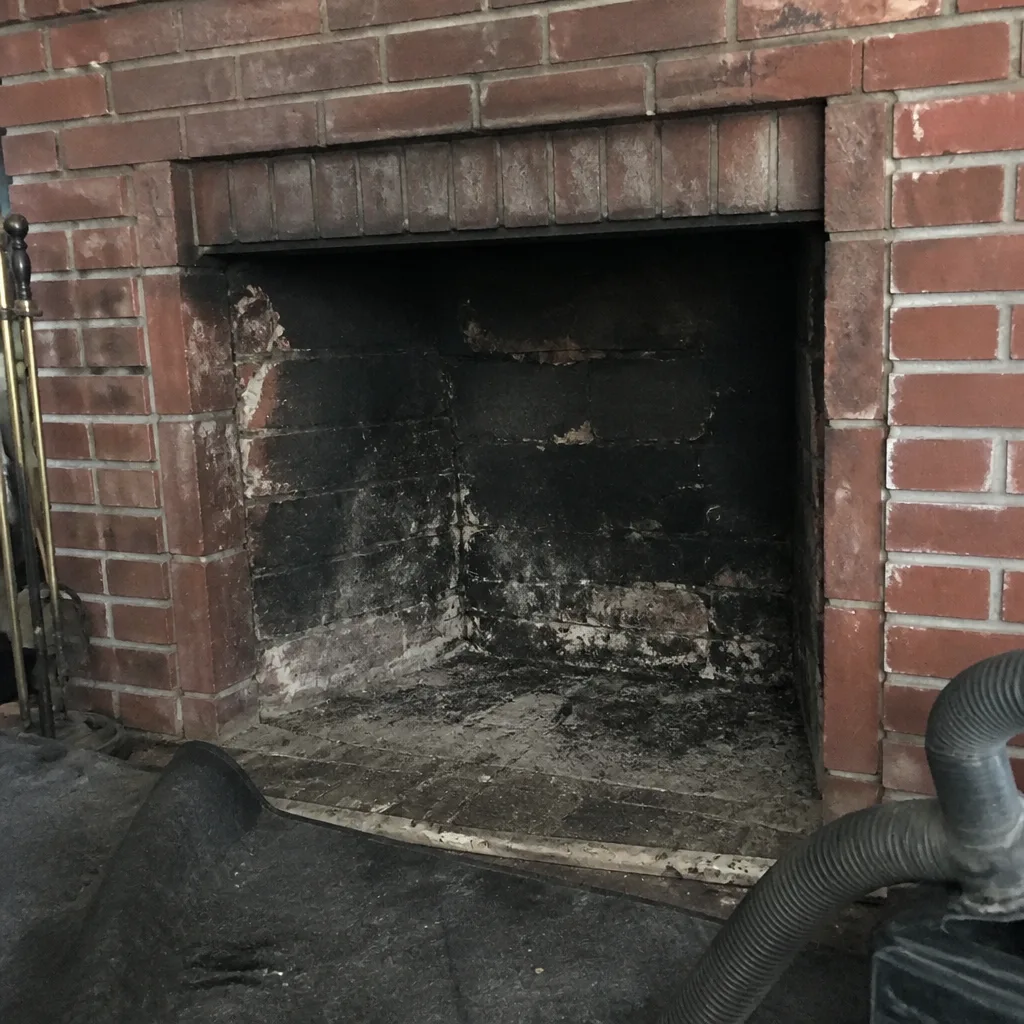 Before
 After
 Before
 After
When to Call a Professional
Call a professional before your first burn of the season, after any chimney fire or unusual smell, when you notice spalling brick or crumbling mortar on the chimney exterior, and whenever you’re planning repair work that may require a permit. If you’re buying or selling a home in Springfield with a wood-burning system, an inspection is one of the cheapest things you can do to protect the transaction. And if you’ve been told the work “doesn’t need a permit,” get that confirmed independently before anyone starts pulling apart your flue. Lockhart Chimney Sweep offers free estimates in Springfield – call (855) 360-8122.
Frequently Asked Questions
No. Routine chimney cleaning in Springfield is classified as maintenance and doesn’t require a building permit. The permit requirement kicks in when the work becomes construction: relining, crown repair, masonry rebuilding, or cap system replacement. Call (855) 360-8122 for an exact quote – estimates are free.
Yes. Liner replacement falls under the Massachusetts State Building Code, 780 CMR, and requires a permit from the Springfield building department plus a rough-in and final inspection. A contractor who tells you otherwise is either unfamiliar with the code or hoping you won’t ask. Call (855) 360-8122 to talk through what your job needs.
Ask for the permit number before work starts, then call the Springfield building department and confirm it’s issued in your name and at your address. Also confirm the scope on the application matches the work being done. If the contractor hesitates to give you the number, that’s the answer you need. Call (855) 360-8122 for a free estimate from a company that files permits as a matter of course.
Unpermitted work can void a homeowner’s policy for a chimney-related claim and will usually stall a home sale when a buyer’s inspector flags it. In Massachusetts, it’s also a disclosure issue at closing. Pulling the permit up front is far cheaper than a correction order later. Call (855) 360-8122 for an honest read on what your repair actually requires.
You don’t legally need a chimney inspection to sell, but any buyer’s home inspector will flag an unknown-condition flue and the deal will stall until it’s resolved. A dated inspection report and permit file head off that delay. Call (855) 360-8122 to book an inspection before your listing goes live.
They can, for different reasons. The building department handles permits and inspections for construction work; the fire department responds to fires, complaints, and life-safety questions. For rental properties especially, having dated sweep and inspection records on hand makes both conversations much easier. Call (855) 360-8122 to schedule.
A sweep cleans the flue; an inspection documents its condition. Most visits combine the two, and the inspection report is what tells you whether a repair – and therefore a permit – is coming next. That report is also the first document in your home’s maintenance file. Call (855) 360-8122 for a free estimate.
It depends on scope. HeatShield restores deteriorated flue tile without full liner replacement, and small restorations may fall under maintenance while extensive ones may trigger a permit. Ask the question before work starts. Call (855) 360-8122 and we’ll tell you what your job likely requires.
The Bottom Line
Chimney cleaning in Springfield doesn’t need a permit; the liner, crown, and masonry repairs that often follow almost always do. The Massachusetts State Building Code requires a permit and inspection for anything that changes the flue system, a contractor who discourages permits is a liability risk, and the paperwork you keep after the job protects your insurance and your home sale years later. Whether you’re due for a sweep, a repair, or just want to know what’s inside your flue, we work exclusively on chimneys and we’ll tell you the truth about what your job needs. If you’d like to see Springfield chimney work done right, start with a free estimate.
Call (855) 360-8122 for a free estimate. We answer 24/7. Fast dispatch from 7am to 7pm, Sunday through Friday.
Written by the team at Lockhart Chimney Sweep.